
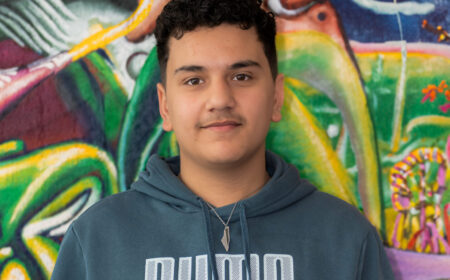



الوحدة الاولى: الهوية و اللُغة – الهوية و اللُغة و الانتماء: قصة آشتي
الفترة الزمنية
حصتان دراسيتان
المواد التَعليمية
– أصوات الشباب البطاقة الخضراء- قصص الهجرة من مدرسة ثانوية في مدينة فاركو
Video: https://youtu.be/nEf6__5WsT8
Story: https://drive.google.com/file/d/1V7I60kYyHn4oUnzpxS2FanKVCkqxceJV/view?usp=drive_link
– قلم التظليل – هايلايتر
– قلم و دفتر مُلاحظات
– ورقة المُفردات و التَعريفات
الارتباط بمباديء الدراسات العِرقية
تعزيزو تنمية قيم التَعاطُف، و بناء مُجتمع داعِم، و المُحافظة على الهوية و الثقافة، و تَعزيز تَقدير الذات، و تَمكين الافراد من تَقرير مَصيرهم، و دعم الرفاهية الشاملة لجميع المُشاركين، معَ الاهتمام بشكل خاص بالشعوب الاصلية و الاشخاص من مُختلف الخلفيات العرقية و الإثنية.
التَعليمات
اليوم الاول : الهوية، و اللُغة، و الخلفية الثقافية العراقية
التَمهيد: إعرض وسائل الايضاح البصرية التالية:
– خريطة العراق.
– مَوقع بَغداد على الخَريطة.
– صِور لِعائِلات عراقية، و مدارس، و مَشاهِد من الحياة اليومية في العراق.
قدم نَبذة مُختَصرة :
– العراق بَلَد عربي.
– يتحدث مُعظم سُكان العراق اللُغة العربية.
– تتحدث بعض المُجتمعات أيضاً اللُغة الكُردية و لُغات أُخرى.
– توجد لَهجات عربية مُختلفة في أنحاء العالم العَربي.
نَشاط الكتابة السَريعة: أُطلب من الطُلاب ألاجابة عن أحد الاسئلة التالية:
– ما اللُغات التي تُشَكل جُزءاً من هويتك؟
– متى شَعَرتْ أنكَ تَنتمي إلى مكان أو مجموعة؟ و مَتى شَعرت بعَدم الانتماء؟
– ماذا تَعلَمت عن الثقافة العراقية؟
– ما الذي فاجأكَ و أثارَ إهتمامك؟
– كيفَ تُساعد اللُغة الناس الحفاظ على إرتباطهم بثقافتهم و عائلاتهم؟
بَعدَ الانتهاء، أطلب من الطُلاب أن يُشاركوا إجاباتهم معَ زميل.
تَقديم المُفردات:
قَبل مُشاهدة فديو آشتي، وَزِع على الطُلاب ورقة المُفردات و التَعريفات. ثم راجع معهم كل المُفردات من خلال شرح معناها، و مُناقشة مثال يوضح إستخدامها، و الاجابة عن السؤال الذي يُساعد على التفكير المُرتبط بها. أطلب من الطُلاب الاحتفاظ بورقة المُفردات على مكاتبهم خلال جميع أنشطة الدرس لاستخدامها عند الحاجة.
الخلفية الثقافية:
يَقَع العراق في الشرق الاوسط، و يتميز بتاريخ عريق و حضارة تَمتَد لآلاف السنين. و تُعد بغداد، المدينة التي وُلِدَتْ فيها آشتي، عاصمة العراق، و هيَّ من أقدم المُدُن المأهولة في العالم. و يَضُم العراق تَنوعاً كبيراً من المَجموعات العِرقية و الدينية، و من أبرزها العرب و الاكراد.
الاكراد هُم مجموعة عِرقية لهم لُغتهم الخاصة، و هي اللُغة الكُردية، كما يتميزون بثقافة و عادات و تقاليد خاصة بهم. و يَعيش مُعظم الاكراد في شمال العراق، بالاضافة إلى مناطق في تركيا و إيران و سوريا. و قَد إنتقَلت العديد من العائلات العراقية و الكُردية إلى الولايات المُتحدة بصفتها لاجئة أو مُهاجرة، هرباً من الحروب أو العنف أو الاضطهاد السياسي. و تَضُم ولاية مينيسوتا و مدينة فاركو و في داكوتا الشمالية جاليات عراقية و كردية كبيرة، و قَد أسهَمَتْ هذهِ الجاليات في إثراء المُجتمع الامريكي من خلال ثقافتها، و لُغاتها، و أطعمتها، و موسيقاها، و قيمها و تقاليدها باللُغة الكُردية. و تَحمل الاسماء في الثقافتين العراقية و الكُردية غالباً معاني عميقة ، إذ يعني إسم ( آشتي) السلام، و يرتبط الاسم بتاريخ العائلة، أو القيم التي تؤمن بها، أو الآمال التي يحملها الوالدان لابنائهما في المُستقبل.
مُشاهدة قصة آشتي: بعدَ مُشاهدة الفديو أُطلب من الطُلاب التفكير ثُم كتابة جُملة واحدة للاجابة عن أحد الاسئلة التالية:
– ما اللُغات التي تُشَكل جُزءاً من هويتك؟
– متى شَعَرت بأنكَ تنتمي إلى مكان أو مجموعة؟ و متى شعرت بعدم الانتماء؟
– ماذا تعلمت عن الثَقافة العراقية؟
– ما الذي فاجأكَ أو أثارَ إهتمامك؟
– كيفَ تُساعد اللُغة الناس على الحفاظ على إرتباطهم بثقافتهم و عائلاتهم؟
بطاقة الخروج:
إكتُب شيئاً واحداً تَعلَمتَهُ اليوم عن الثقافة العراقية، أو اللُغة، أو الهوية
اليوم الثاني : قصة آشتي، الهوية و الانتماء
مُراجعة و تمهيد: مناقشة سريعة مع زميل
– ماذا تتذكر من قصة آشتي.
– ما التحديات اللُغوية التي واجهتها؟
– ماذا تعلمت أمس عن العراق أو عن الثقافة العراقية؟
قراءة و تحليل قصة آشتي:
إبدأ بمُراجعة المُفردات، ثُم إقرأ قصة آشتي معَ الصف كامِلاً، أو أطلب من الطُلاب قراءتها بشكل مُستقِل. أثناء القراءة، توقف عند بعض الفقرات لأتاحة الفُرصة للطُلاب لتدوين المُلاحظات و مُناقشة الافكار:
– أطلب من الطُلاب تمييز ( التعليق على ) الاجزاء في النص التي تُساعدهم على الاجابة عن الاسئلة التالية:
– تَذكُر قصة آشتي أن العراق/بغداد كانا غير آمنين. ما الادلة و الاشارات في النص التي تُساعدك على إستنتاج سبب شعورهم بعدم الامان؟
– ما الاشياء التي ربما فقدتها آشتي أو إضطرت الى تركها خلفها؟ و كيف يُمكن أن يكون ذلك قد أثر في هويتها أو شعورها بالانتماء؟
– ما التحديات اللُغوية التي واجهتها آشتي عندما إنتقلت إلى الولايات المُتحدة؟
– كيف أثرت هذهِ التحديات اللُغوية في هويتها و شعورها بالانتماء؟
– لماذا تُعد اللُغة جزءاً مهماً من الثقافة؟
– ما الجوانب في هوية آشتي التي بقيت كما هي بعد إنتقالها؟-
– و ما الجوانب التي تغيرت في حياتها؟
المُناقشة : مُناقشة مع شريك:
يتبادل الطُلاب الافكار حول الهوية، و اللُغة، و الانتماء، مع الاستناد إلى أدلة من النص لدعم أفكارهم. و يستخدمون المُلاحظات التي دونوها أثناء قراءة النص لُمساعدتهم عند النقاش.
أدوار النقاش:
– الطالب ( أ) يتحدث لمُدة دقيقة واحدة مُستخدماً أدلة من النص لدعم أفكارهِ.
– الطالب (ب) يستمع بإهتمام، ثُم يرد على ما سَمِعَهُ و يضيف أفكارهُ الخاصة.
بعد ذلك يتبادل الطالبان الادوار. إحرص على أن يستخدم كل طالب مُفردة واحدة على الاقل من قائمة المُفردات أثناء النقاش.
بدايات الجُمل:
– إستناداً إلى الادلة أو التفاصيل الواردة قي قصة آشتي، أستنتج أن العراق/ بغداد ربما كان يمر ب ———–، مما أدى الى الشعور ب ———————–.
– تذكر قصتها ان المكان لم يكُن آمناً، و من الادلة التي تُشير إلى ذلك ———————————
– من المُحتمل أن آشتي تركت خلفها ———————، و قد أثر ذلكَ في هويتها من خلال—————–
– تحدي اللُغة الذي واجهتهُ آشتي كان ———————————————————————
– واجهت صعوبة في ————————– عندما جاءت الى الولايات المُتحدة
– ربما أثرت هذه التحديات في هويتها من خلال ———————————
– و قد أثرت في شعورها بالانتماء بسبب————————————
– ساعدت اللغة آشتي على التواصل مع ———————————-
– أحد الجوانب التي تُشكل هوية آشتي هيّ ——————————-
– غَيّرَّ الانتقال الى بلد جديد ——————————————-
– لكنهُ لم يتغير ————————————————-
المُنظم البياني
أنشيء مُنظم بياني مُكون من أربعة أقسام ( أربعة مُربعات أو أرباع ) لمُساعدة الطُلاب على تنظيم أفكارهم و دعم المُناقشة
|
تَذكُر قصة آشتي أن العراق/ بغداد كانا غير آمنين. ما الادلة و الاشارات في النص التي تُساعدك على إستنتاج سبب شعورهم بعدم الامان؟ |
ما الاشياء التي ربما فقدتها آشتي أو إضطرت الى تركها خلفها؟ و كيف يُمكن أن يكون ذلك قد أثر في هويتها أو شعورها بالانتماء؟ |
|
ما التحديات اللُغوية التي واجهتها آشتي عندما إنتقلت إلى الولايات المُتحدة؟ |
كيف أثرت هذهِ التحديات اللُغوية في هويتها و شعورها بالانتماء؟ |
التأمُل في الهوية
إختر سؤالاً واحداً و أجب عنه:
– كيفَ شكلت اللُغة هوية آشتي؟
– كيفَ أثرَ إنتقال آشتي الى بلد جديد في شعورها بالانتماء؟
– ما الجوانب في هوية آشتي التي بقيت كما هي بعد إنتقالها؟
– كيفَ حافظَت آشتي على إرتباطها بثقافتها و عائلتها؟
بدايات الجُمل للتأمُل و التفكير:
– أحد الجوانب التي تُشكل هوية آشتي هو—————————–
– شكلت اللُغة هوية آشتي من خلال ———————————-
– أثرَ إنتقالها الى بلد جديد فيها بسبب ——————————–
– حافظت آشتي على إرتباطها بثقافتها من خلال ———————
– أعتقد أن الهوية ترتبط باللُغة بسبب ——————————
مهمة الكتابة:
الخطة: إشرح كيف أسهمت اللُغة، و الثقافة، و التجارب في تشكيل هوية آشتي و شعورها بالانتماء. إستخدم مثالين من النص لدعم إجابتك.
بناء أو تسلسُل الاجابة:
1- الفكرة الرئيسية————————
2- دليل من النص————————
3- الشرح ——————————-
بطاقة الخروج: أكتب كلمة واحدة أو إجابة واحدة للاجابة عن أحد السؤالين التاليين:
1-كيف شكلت اللُغة هوية آشتي و شعورها بالانتماء؟
2-تُظهر قصة آشتي أن اللُغة و الهوية و الانتماء مُترابطة بسبب —————————-
دعم الطُلاب مُتعددي اللُغات و مُتعلمي اللُغة الانكليزية
– قدم نموذجاً لكيفية إستخدام بدايات الجُمل الواردة في الدرس.
– إعرض فديو آشتي مع ترجمة أو عناوين فرعية بلُغة الطُلاب الام، كبديل عن قراءة النص.
– وفر نُسخة مُترجمة من قصة آشتي بلُغة الطُلاب الام لمُساعدتهم فهم سياق القصة.
– أسمح للطُلاب في المُستوى المذكور أدناه بأكمال الجمل من خلال ملأ الفراغات بدلاً من كتابة إجابات كاملة.
قائمة المصادر:
Green Card Youth Voices: Immigration Stories from a Fargo High School
Ashti’s Story: https://drive.google.com/file/d/1V7I60kYyHn4oUnzpxS2FanKVCkqxceJV/view?usp=drive_link
Ashti’s Video: https://youtu.be/nEf6__5WsT8
معلومات توضح سبب خطورة الاوضاع في العراق خلال الفترة التي هاجرت فيها آشتي و عائلتها ( لاستخدام المعلم فقط) :
منهج الدراسات العرقية التحررية:
https://drive.google.com/file/d/1cGOs7rsY9wT2qI-yIQh5dye8snRjGYxr/view
ورقة المُفردات و التعريفات
|
السؤال التحليلي |
المثال |
التعريف |
المفردة / الكلمة |
|
ماذا يعني أن تُصبح قُدرة الشخص على التحدُث بلُغتين سبباً يجعلهُ مُستَهدَفاً؟ |
كان والد آشتي يعمل مُترجماً شفهياً مع الجيش الامريكي، و عملهُ هذا عرضَ أسرتهُ كلها للخطر و قد يكون العمل في مجال الترجمة اللُغوية مصحوباً بمخاطر كبيرة. |
شخص يُترجم الكلام أو لُغة الاشارة بين شخصين أو أكثر بشكل فوري، و يعمل غالباً كحلقة وصل بين الثقافات و الانظمة المُختلفة |
المُترجم الشفهي |
|
هل يستطيع الآخرون تحديد هويتك بدلاً منك ؟ و ماذا يحدث عندما يُحاولون ذلك؟ |
الهوية ليست ثابتة فقد تتغير أو تتطوربحسب المكان الذي يعيش فيه الانسان، و المُجتمع الذي ينتمي إليه، و العوامل المؤثرة في حياتهِ. |
مجموعة الصفات و العوامل الشخصية و الثقافية و الاجتماعية و التاريخية التي تُكوِن شخصية الانسان، مثل العِرق و الاصل و اللُغة، و الدين و الجنس و التجارب، التي مَرَ بها في حياتهِ. |
الهوية |
|
ماذا يحدث لثقافة مُجتمع ما عندما يتعرض للاستعمار، أو التهميش أو تُجبر على الاندماج في ثقافة آُخرى مُهيمنة؟ |
الثقافة ليست شيئاً ثابتاً، فهي تتطور و تتغير معَ مرور الزَمَن. |
مَجموعة العادات و القيم و المُعتقدات ، و اللُغة، و الفنون، و التقاليد التي يشترك فيها أفراد مُجتمع مُعين. التي تشكلت عبر التاريخ و المكان و تجارب الحياة و تنتقل من جيل إلى آخر. |
الثقافة |
|
متى يكون التحدي مُشكلة فردية ؟ و متى يكون نتيجة لمُشكلة في المُجتمع أو النظام؟ |
بعض التحديات شخصية، بينما تنتج تحديات أُخرى عن أنظمة مثل العنصرية أو الفقر أو صعوبة اللُغة. |
عَقَبة أو صعوبة شخصية أو مُجتمعية تحتاج إلى الصبر و الجهد و التخطيط لتجاوزها و قد تكون نتيجة عوامل إجتماعية أو سياسية أو إقتصادية خارجة عن إرادة الفرد. |
التحدي |
|
من الذي يُحدد أي لُغة تُعد أكثر قيمة أو مكانة في المُجتمع؟ |
اللُغة ليست مُجرد وسيلة للكلام، بل هي أيضاً وسيلة للتفكير، و حفظ الذكريات و الشعور بالانتماء. |
نظام مُنظم للتواصل يستخدم الكلمات أو الاصوات أو الرموز للتعبير عن الافكار، و الحفاظ على الثقافة و نقل المعرفة بين الاجيال. |
اللُغة |
|
ما الانظمة أو العوامل التي تجعل بعض الاشخاص يشعرون بأنهم لاينتمون الى المُجتمع ؟ |
يرتبط الشعور بالانتماء بعلاقات القوة في المُجتمع، فبعض الاشخاص يشعرون بأنهم مُرحب بهم، بينما يشعر آخرون بالاقصاء أو الاستبعاد. |
الشعور النفسي و الاجتماعي بأن الشخص مقبول و مُقَدَر و لهُ مكان داخل مُجتمع أو مجموعة |
الانتماء |
|
ما الفرق بين أن يختار الانسان الاندماج بنفسهِ، أو يُجبر عليه؟ |
إضطرت آشتي إلى تعلم اللُغة الانكليزية و التكيف مع الثقافة الامريكية حتى تتمكن من العيش و النجاح. فهل كان ذلك إختياراً حراً أم ضرورة فرضتها الظروف؟ |
عملية يتبنى فيها الفرد أو المجموعة لُغة و ثقافة و عادات و قيم المجتمع، و قد يحدث ذلك بأختيار الشخص أو نتيجة للضغوط و الاكراه. |
الاندماج الثقافي |
|
كيف تعكس طريقة تعامل المجتمع مع اللاجئين قيمه و مبادئه؟ |
الللاجئون لا يختارون مُغادرة أوطانهم ، بل يُجبرون على ذلك. و من المُهم فهم هذا الفرق عند مناقشة قضايا الهجرة و اللجوء. |
شخص إضطر إلى مُغادرة بلدهِ بسبب الحرب أو الاضطهاد، أو العنف و لا يستطيع العودة إليه بأمان. |
اللاجيء |
Unit 3: Healing and Future Building – Hmong Healing and Future Building
Time Frame
- 2 class periods
Materials
- Green Card Entrepreneur Voices – Steve Thao’s video
Connections to the 7 Cs of Ethnic Studies
- Cultivate: using traditional Hmong arts as an opportunity for identity affirmation and healing
- Conceptualize: using Hmong arts as tool for visioning, futurisms, world-building, hope, healing, and collective possibilities
Instructions
Important: Please give the class a general trauma warning and create a safe space for the class before beginning the lesson. Today’s class will explore how people use art and music to process hard times and heal. Some of our topics will touch on war, leaving home, and intergenerational trauma, the stress or sadness that families carry across generations, and may trigger certain feelings. Please remind students to be respectful of one another, provide space as needed, and allow students to skip or pass on discussions as needed. Also, remind students to reach out to their mental health providers and tell them these topics were brought up and discussed in class, and made students feel a certain way. Use your best professional judgment to warn the class.
Ignite: Hmong Musical Instruments
- Show images of some traditional Hmong instruments on the board.
- Ask students if anyone recognizes the instruments or can tell what they are.
- Call on a few to guess the instruments’ names or what they are.
Turn and Talk
What song do you listen to when you are sad or down? Why does music work better than just talking to a friend?
Chunk: Hmong Instruments
- Introduce the Hmong instruments:
- qeej / lusheng
- raj / flute
- ncas / mouth harp
- xim xaus / violin
- Show images of each traditional Hmong instrument; then explain what they’re made of and what they are used for.
- Watch an excerpt of Among Mountains, from 29:00 to 43:00.
- Neng Thao explains the instruments and their connections to the Hmong language, along with how music is an extension of the language and is often used for courting.
Turn and Talk
How can playing a traditional Hmong instrument be seen as a form of communication? How is it a form of healing?
- Ask for a few students to share out loud with the class.
- Clearly explain to students how music allows for expression, especially feelings. Traditionally, it is a cultural taboo to openly talk and share feelings and emotions, especially while courting. Music allows individuals to express their feelings of love, happiness, or sadness to one another.
Turn and Talk
Think about a song you put on when you are down. Why does hearing this song feel safer or more comforting than talking with a friend?
- Sentence Starter: When I am overwhelmed, I like to listen to . . .
Chunk: Steve Thao’s Story
Watch the “Steve Thao” video from Green Card Entrepreneur Voices.
Group Task
- Watch: Watch the video together.
- Discuss: How can art help Hmong understand their family’s history? How can art help Hmong heal from their past?
- Analyze: Thao said, “Art is a way for us to tell our own stories, rather than having others tell them for us.” What does he mean by this? How can you use art to tell your story?
Chew: Paj Ntaub Artwork
Introduce traditional Hmong paj ntaub, which is often used to tell stories, especially through story cloths. Share how story cloths started in the refugee camps as a way for Hmong to use their talent to make money. They would make cloth by hand and create story cloths of their journey, history, and experiences. Show examples of story cloths and point out specific symbols and what they represent. (See Flowery Cloth link below.)
Artwork and Paragraph Assignment
- Pass out a blank white quarter sheet or half sheet of paper to students. Have them draw and color in a story about their life that can be used to inspire or instill hope in others.
- Students do not have to draw a border.
- Students should also write and turn in a paragraph reflection about their art and how it can provide healing and hope for others.
- Teacher will collect all of the images and create a collage on the wall with all the handouts. The teacher can cut out Hmong patterns or triangles to build a border for the images.
Review: 3-2-1 Exit Ticket
On a slip of paper (regular notebook paper or sticky notes) or a digital form, students must write and turn in:
- Three specific facts they learned about Hmong arts
- Two ways that art has shaped the Hmong experience
- One question they still have about how art can help inspire a better future
Multilingual and ELL Support
- Provide a sentence stem for reflection:
- Art can serve to help with . . .
- Art can help heal…
- Art allows me to understand . . .
- I express myself by . . .
- When I feel _______, I listen to . . .
Vocabulary and Definitions
- Paj ntaub: traditional Hmong art that is made by a needle stitching onto a fabric cloth
- Art: something you make using imagination to share ideas and feelings, to make something beautiful, or to show and tell how you see the world
- Healing: the process of getting better, stronger, or whole again after you have been hurt, in either your body or feelings
- Hope: the belief that something good can happen
- Intergenerational Trauma: stress, trauma, or emotional sadness that is passed down from one generation to the next
Resource List
- Hmong Instruments www.learnabouthmong.org/default_active_page_id=31.html
- Paj Ntaub https://learnuake.org/articles/hmong-culture/embroidery
- Flowery Cloth https://drive.google.com/file/d/1xbPy-QN1b9Oq90H28k_mWvihBg3xabvG/view
- Among Mountains video www.youtube.com/watch?v=VpT5bHrezxE
- Green Card Entrepreneur Voices – Steve Thao’s video
- “Birdsong: the dying whistled language of Hmong in northern Laos” video www.youtube.com/watch?v=_KIYwCieaMs
- Liberated Ethnic Studies Model Curriculum Values and Principles (7 Cs) https://drive.google.com/file/d/1cGOs7rsY9wT2qI-yIQh5dye8snRjGYxr/view
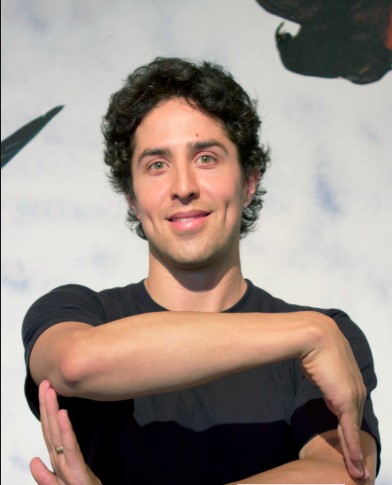
Unit 2: Resistance and Resilience: Art as Tool of Resistance
Time Frame
- 1–2 class periods
Materials
- Green Card Entrepreneur Voices – Dario Meija’s story
- Slides
Connections to the 7 Cs of Ethnic Studies
- Center: centering knowledge from community, elders, families and lived experiences.
- Connect: learn about Mexican and Latino resistance movements locally and globally, historically and today
Instruction
Day 1 – Ignite: Intro/Warm-Up
Welcome, agenda, announcements, learning target (slide 1)
a. Warm-Up Question: When was a time you overcame a fear or hardship?
i. Write in a notebook! (2-3 minutes)
ii. Turn to a neighbor and share (2-4 minutes)
iii. Share out to the class; pick a few students to share (2-3 minutes)
b. Mental health: Today’s lesson discusses racism and experiences of exclusion within Latine communities. Some may personally connect to these experiences in different ways. Please take care of yourself; participate in ways that feel comfortable and respectful.
Chunk: Resistance and Resilience—Latinos Are NOT a Monolith
c. Vocabulary (slide 2)
i. Vocabulary: Monolithic Thinking (slide 2) (source)
-
-
-
- “the tendency to view cultures, experiences, and people from a single perspective”
- Oftentimes, people believe that all Latino/a/x people have the same culture, experiences, traditions or beliefs. But from country to country, and even within countries, Latino/a/x people are so different!
-
-
d. Example: Latino/a/x are not a monolithic group, even within one country!
i. Slide 3: Afro-Latinos: people with descendants from Africa (source)
-
-
- Watch: https://www.youtube.com/watch?v=1XmfL62xozI
- As students watch, have them think/answer: What is something that Black Mexican people want non-Black Mexican people to know?
- Pick 2 people to share with the class.
-
ii. Slide 4: Indigenous people: native peoples to the land prior to European colonization
-
-
- Watch: https://www.youtube.com/watch?v=tQ9Uwq5kXY8
- As students watch, have them think/answer: What is something that indigenous people in Mexico are fighting for?
- Pick two people to share with the class.
-
iii. Puerto Rico is technically a US territory, but its rich cultural history makes it distinct from the rest of the United States.
-
-
- Ask students: Let’s make a list of things you think of when you think of Puerto Rico. (Have students shout out their answers and write a list on the board; Bad Bunny is likely to appear on this list.)
- There may be lots of buzz around these ideas, but for many years, Puerto Rico has wanted to establish independence from the US—all the way back to the early 1900s.
- Today, even stars like Bad Bunny are calling attention to the ongoing issues that Puerto Rico faces, like environmental disasters due to climate change and the economic/social inequalities people face there, despite being a part of the “exceptional” US.
a. Play Bad Bunny’s “El Apagon – Aqui Vive Gente.” (Disclaimer: It does have swearing in Spanish, and maybe some explicit dancing. Watch to see what scenes are most appropriate for students prior to showing it.)
-
iv. Slide 5: Art as a form of resistance and resilience
1. Places all around Latin America have different movements of resistance and resilience.
a. Ask students: How did Bad Bunny use art to call attention to what happens in Puerto Rico? (This could be your exit ticket, after which you continue with the next part tomorrow.)
2. Dance, music, attire, culinary arts, and more!
v. Recap: Latino/a/x are not a monolithic group, even within one country!
1. Even within Mexico, people come from all sorts of different racial and even cultural backgrounds. (Break text, new paragraph/line.) Now imagine we expand this map by thousands of more miles! (Insert map of Central and South America, including islands in Caribbean.)
Day 2 – Chew: Resistance and Resilience in Our Identities and Intersectionality (slide 6)
e. Class work time instructions
i. “So what happens when you have many identities—what do we do to honor all of them?” (slide 6 still)
f. Slide 7: Part 1: Pick a partner
i. Read the story of Dario Meija (have them printed).
ii. Annotate Dario’s story.
-
-
-
- Circle words you do not know.
- Highlight sections where Dario shares parts of his story that were hard/difficult for either him or his family.
- Underline sections where Dario shares parts of his story that honor his identities or bring him joy.
- Star sections that demonstrate identities (gender, culture, language, race, etc.).
-
-
g. Slide 8: Part 2: Add a pair to your pair!
i. Share your annotations and discuss reflection questions together.
ii. Partner Discussion Questions (record or walk around during this)
-
-
- Pick an annotation that stuck out to you—why did it impact you?
- What are some ways Dario finds joy in his Ecuadorian identity?
- How does Dario’s cultural and racial identity impact his work?
- Why does Dario share his story?
- In what ways does Dario demonstrate resilience?
-
Review: Large group whipshare discussion (can be expanded if time allows) (slide 9)
iii. What can resistance and resilience look like?
Resource List
- Contextual resources for further learning on topics of colonization in Latin America https://latino.si.edu/learn/latino-history-and-culture/latino-history/early-latino-history https://timemaps.com/civilizations/latin-america-the-colonial-era/
- Contextual resources for further learning on the Spanish Caste system www.indigenousmexico.org/articles/understanding-the-mexican-casta-system-a-historical-and-cultural-perspective
- Contextual resources for further learning on anti-Blackness in Latin America https://bookshop.org/p/books/racial-innocence-unmasking-latino-anti-black-bias-and-the-struggle-for-equality-tanya-kater-hern-ndez/8232518903b7c4be?ean=9780807020135&next=t&, https://www.abfe.org/blog/confronting-colorism-and-anti-blackness-latinx-community
- Contextual resources for indigenous erasure in Latin America www.oah.org/process/arena-indigenous-caribbean www.researchgate.net/publication/393269447_Latin_American_Mestizaje_A_Tool_to_Erase_the_Indigenous
- “Diversity Matters: Dismantling Monolithic Thinking to Create an Inclusive Work Environment” www.culture-principles.com/diversity-matters-dismantling-monolithic-thinking-to-create-an-inclusive-work-environment
- “Resistencia Afroamericana: La Historia de Yanga” www.youtube.com/watch?v=FIqLzOtzFp4
- Further learning for capoeira, a Brazilian martial art/dance form www.upr.org/arts-and-culture/2016-08-30/roots-of-brazil-the-martial-art-form-capoeira-is-preserving-history-and-tradition
- Further learning for mole https://laroussecocina.mx/palabra/mole www.gob.mx/inpi/articulos/conoce-la-maravillosa-historia-del-mole
- “Colombia: Top Local Music That Reflects the South American Country’s Culture and Tradition” www.latinpost.com/articles/154478/20220315/colombia-top-local-music-reflects-south-american-culture-tradition.htm
- Liberated Ethnic Studies Model Curriculum Values and Principles (7 Cs) https://drive.google.com/file/d/1cGOs7rsY9wT2qI-yIQh5dye8snRjGYxr/view
Unit 2 Resistance and Resilience – Art as Tool of Resistance
Time Frame
- 1–2 class periods
Materials
- Green Card Entrepreneur Voices – Dario Meija’s story
- Highlighters
- Pens/Pencils
- Slides
Connections to the 7 Cs of Ethnic Studies
- Challenge: imperialist/colonial hegemonic beliefs and practices on ideological, institutional, interpersonal, and internalized levels
- Critique: empire, white supremacy, anti-Blackness, anti-Indigeneity, racism, xenophobia, patriarchy, cisheteropatriarchy, capitalism, ableism, anthropocentrism, and other forms of power and oppression at the intersections of our society
Instruction
Day 1- Ignite: Intro/Warm-Up
Welcome, agenda, announcements, learning target (slide 1)
a. Warm-up Q: When was a time you overcame a fear or hardship?
-
- Turn to a neighbor + share (2-4 minutes)
- Share out to the class; pick a few students to share (2-3 minutes)
b. Mental health: Today’s lesson discusses racism and experiences of exclusion within Latine communities. Some may personally connect to these experiences in different ways. Please take care of yourself; participate in ways that feel comfortable and respectful.
Chunk: Resistance and Resilience—Latinos Are NOT a Monolith
c. Vocabulary (slide 2)
i. Vocabulary: Monolithic Thinking
-
-
- “the tendency to view cultures, experiences, and people from a single perspective”
- Oftentimes, people believe that all Latino/a/x people have the same culture, experiences, traditions or beliefs. But from country to country, and even within countries, Latino/a/x people are so different!
-
ii. Vocabulary: Colorism
-
-
- “prejudice or discrimination against individuals with a dark skin tone, typically among people of the same ethnic or racial group”
- Colorism is a form of racism, but many people don’t even recognize it as a phenomenon. Many Latin American countries suffer from it.
-
d. Example: Latino/a/x are not a cultural monolithic group, even within one country!
i. Slide 3: Afro-Latinos: people with descendants from Africa
-
-
- Watch: https://www.youtube.com/watch?v=1XmfL62xozI
- As students watch, have them think/answer: Explain how colorism has led to stereotypes and prejudice in Black Mexicans’ experience in Mexico.
- Pick two people to share with the class.
-
ii. Slide 4: Indigenous people: native peoples to the land prior to European colonization
-
-
- Watch: https://www.youtube.com/watch?v=tQ9Uwq5kXY8
- As students watch, have them think/answer: How does colorism impact the experience of indigenous peoples in Mexico?
- Pick two people to share with the class.
-
iii. Puerto Rico is technically a US territory, but its rich cultural history makes it distinct from the rest of the United States. It also was impacted by colonization and slavery, leading to the erasure of many Taino people, those indigenous to the island.
-
-
- Ask students: Let’s make a list of things you think of when you think of Puerto Rico. (Have students shout out their answers and write a list on the board; Bad Bunny is likely to appear on this list.)
- There may be lots of buzz around these ideas, but for many years, Puerto Rico has wanted to establish independence from the US—all the way back to the early 1900s.
- Today, even stars like Bad Bunny are calling attention to the ongoing issues that Puerto Rico faces, like environmental disasters due to climate change, the lasting effects of colonization and slavery, and the economic/social inequalities people face there, despite being a part of the “exceptional” US.
a. Play Bad Bunny’s “El Apagon – Aqui Vive Gente.” (Disclaimer: It does have swearing in Spanish, and maybe some explicit dancing. Watch to see what scenes are most appropriate for students prior to showing it.)
-
iv. Slide 5: Art as a form of resistance and resilience
-
- Places all around Latin America have resistance movements against colonization, imperialism, environmentalism, and more—many of these movements having solidarity with one another!
a. Ask students: How did Bad Bunny use art to call attention to what happens in Puerto Rico? (This could be your exit ticket, after which you continue with the next part tomorrow.) - Dance, music, attire, culinary arts, and more!
- “Notice how many of these experiences of resistance and resilience come from Black/African or Indigenous cultures.”
- Student work: Take a moment to look up a community concern in a Latin American country.
a. Write the concern.
b. Write about a group working to address concern.
c. Question: How are they using art or another form of emotional expression to further their movement?
- Places all around Latin America have resistance movements against colonization, imperialism, environmentalism, and more—many of these movements having solidarity with one another!
v. Recap: Latino/a/x are not a monolithic group, even within one country! (slide 6)
-
- Even within Mexico, people come from all sorts of different racial and even cultural backgrounds. (Break text, new paragraph/line.) Now imagine we expand this map by thousands of more miles! (Insert map of Central and South America, including islands in Caribbean.)
Day 2 – Chew: Resistance and Resilience in our identities and intersectionality (slide 6)
e. Class work time instructions
- “So what happens when you have many identities—what do we do to honor all of them?”
f. Slide 7: Part 1: Pick a Partner
i. Read the story of Dario Meija (have them printed).
ii. Annotate Dario’s story.
-
-
- Circle words you do not know.
- Highlight sections where Dario shares parts of his story that were hard/difficult for either him or his family.
- Underline sections where Dario shares parts of his story that honor his identities or bring him joy.
- Star sections that demonstrate identities (gender, culture, language, race, etc.).
-
g. Slide 8: Part 2: World café
i. Assign five students to “host” at five table groups; pairs are split and asked to go to a table, then go to a new table every 7-9 minutes.
-
-
- Table one question: What annotation stuck out to you—why did it impact you?
- Table two question: What are some ways Dario finds joy in his Ecuadorian identity?
- Table three question: How does Dario’s cultural and racial identity impact his work?
- Table four question: Why does Dario share his story?
- Table five question: In what ways does Dario demonstrate resilience?
-
Review: Large Group Whipshare Discussion (or can expand it, if time allows) (slide 9)
h. What can resistance and resilience look like? (Use context from any material today or the conversations had during the world café activity.)
Multilingual and ELL Supports
- Provide English sentence stems to help students contribute to the conversation about colorism, stereotypes, and prejudices.
- Enable captions on video (in English and/or home language).
- Allow students to think about their answers by writing them in their home language first prior to teacher questions during the lesson (chunk), and while sharing annotations and reflection questions with a partner.
- Allow students to read Dario’s story in their home language.
- Allow students to annotate in their home language.
Vocabulary and Definitions
- Cultural monolith: a culture that follows a single perspective, experience, or person
- Colorism: preferential treatment of people of the same race based on the lightness of their skin tone
- Stereotype: a widely held but fixed and oversimplified image or idea of a particular type of person or thing
- Prejudice: an unfair/unreasonable opinion, attitude, or emotion toward a person or group that is not based on reason, fact, or actual experience
- Discrimination: unfair or unequal treatment of people based on personal identities like race, gender, sexuality, religion, age, ability, class, and more
- Racism: a form of discrimination against someone’s race through the acceptance of negative stereotypes and emotion; can lead to violence
- Resistance: defining oneself against or challenging dominant structures within society
- Resilience: the ability of people or communities to adapt, withstand, or recover from difficult situations; best practiced when it is done in community or collectively rather than individually
Resource List
-
- Contextual resources for further learning on topics of colonization in Latin America https://latino.si.edu/learn/latino-history-and-culture/latino-history/early-latino-history, https://timemaps.com/civilizations/latin-america-the-colonial-era
- Contextual resources for further learning on the Spanish Caste system www.indigenousmexico.org/articles/understanding-the-mexican-casta-system-a-historical-and-cultural-perspective
- Contextual resources for further learning on anti-Blackness in Latin America https://bookshop.org/p/books/racial-innocence-unmasking-latino-anti-black-bias-and-the-struggle-for-equality-tanya-kater-hern-ndez/8232518903b7c4be?ean=9780807020135&next=t&, https://www.abfe.org/blog/confronting-colorism-and-anti-blackness-latinx-community
- Contextual resources for indigenous erasure in Latin America www.oah.org/process/arena-indigenous-caribbean www.researchgate.net/publication/393269447_Latin_American_Mestizaje_A_Tool_to_Erase_the_Indigenous
- “Diversity Matters: Dismantling Monolithic Thinking to Create an Inclusive Work Environment” www.culture-principles.com/diversity-matters-dismantling-monolithic-thinking-to-create-an-inclusive-work-environment
- “Resistencia Afroamericana: La Historia de Yanga” www.youtube.com/watch?v=FIqLzOtzFp4
- Further learning for capoeira, a Brazilian martial art/dance form www.upr.org/arts-and-culture/2016-08-30/roots-of-brazil-the-martial-art-form-capoeira-is-preserving-history-and-tradition
- Further learning for mole https://laroussecocina.mx/palabra/mole
www.gob.mx/inpi/articulos/conoce-la-maravillosa-historia-del-mole
- “Colombia: Top Local Music That Reflects the South American Country’s Culture and Tradition” www.latinpost.com/articles/154478/20220315/colombia-top-local-music-reflects-south-american-culture-tradition.htm
- “‘If You Is White, You’s Alright. . . .’ Stories About Colorism in America” https://openscholarship.wustl.edu/cgi/viewcontent.cgi?article=1547&context=law_globalstudies
- Dictionary definition, “racism, bias, and discrimination” www.apa.org/topics/racism-bias-discrimination
- Liberated Ethnic Studies Model Curriculum Values and Principles (7 Cs) https://drive.google.com/file/d/1cGOs7rsY9wT2qI-yIQh5dye8snRjGYxr/view
3 Kawm Txog: Kev Kho Siab Ntsws thiab Txhim Kho Lub Neej Tom Ntej – Hmoob Kev Kho Siab Ntsws thiab Txhim Kho Lub Neej Tom Ntej
Sij Hawm Qhia
- 1–2 hnub thaum chav kawm sib ntsib
Khoom Siv
- Green Card Entrepreneur Voices – Steve Thao daim yeeb yaj kiab video
Connections to the 7 Cs of Ethnic Studies
- Saib Xyuas: siv Hmoob cov txuj ci (suab paj nruag/paj ntaub) los ua lub cib fim kom lees paub tus kheej thiab kho siab ntsws
- Tsim Lub Tswv Yim: siv Hmoob cov txuj ci (suab paj nruag/paj ntaub) los yog ib yam cuab yeej kom muaj zeem muag, pom yav tom ntej, tsim kho lub ntiaj teb, muaj kev cia siab, muaj kev kho siab ntsws, thiab muaj kev sib raug zoo ua ke
Txheej Txheem Qhia
Tseem Ceeb: Thov ceeb toom cov tub ntxhais tias kev kawm hnub no yuav muaj qee yam ua rau lawv txhawj/ muaj kev nyuaj siab, thiab tsim ib chav nyab xeeb rau lawv ua ntej pib zaj kawm no. Hnub no, chav kawm yuav saib tib neeg cov txuj ci paj ntaub thiab suab paj nruag los ua kev kawm kom nkag siab cov sij haum nyuab thiab nkag siab tias cov txuj ci no kho neeg siab ntsws li cas. Qee yam ncauj lus peb yuav tham txog yog kev ua tsov rog, tsiv teb tsaws chaw/khiav tawm teb chaws, thiab kev tsim txom ntawm ntau tiam neeg, kev ntxhov siab los sis tusiab uas cov tsev neeg muaj ib phaum dhau ib phaum, thiab tej zaum yuav ua rau yus muaj qee yam kev xav.
Thov ceeb toom cov tub ntxhais kom paub sib hwm, tsim ib chav nyab xeeb rau txhua tus, thiab yog lawv tsis xav hais lus/tsis xav tham los tau. Ntxiv thiab, nco ntsoov kom cov tub ntxhais mus cuag lawv cov kws kho kev mob hlwb yog lawv xav tau kev pab, thiab qhia tias cov ncauj lus hnub no yog tham hauv chav kawm es ua rau lawv muaj qee yam kev xav. Xib Fwb siv nws qhov kev txiav txim siab zoo tshaj plaws los ceeb toom cov tub ntxhais kawm.
Taw: Hmoob Twj Suab Paj Nruag
- Tso cov duab ntawm qee cov twj suab paj nruag Hmoob ntawm daim txiag.
- Nug cov tub ntxhais seb puas muaj leej twg paub cov twj suab paj nruag los sis qhia tau tias yog dab tsi
- Hu ob peb tug tub ntxhais twv cov twj suab paj nruag npe los sis qhia tias yog dab tsi
Tig thiab Tham
Koj mloog zaj nkauj dab tsi thaum koj tu siab los sis tsis muaj siab ua dab tsi? Vim li cas mloog nkauj ho zoo dua nrog ib tug phooj ywg tham?
Phua: Hmoob Twj Suaj Paj Nruag
- Piav qhia cov twj suab paj nruag Hmoob (Hmong instruments):
- qeej / lusheng
- raj / flute
- ncas / mouth harp
- xim xaus / violin
- Tso cov duab twj suab paj nruag Hmoob; ces piav qhia tias Hmoob siv dab tsi los tsim cov twj thiab Hmoob siv cov twj li cas
- Saib ib ntu luv luv ntawm Among Mountains, thaum 29:00 txog 43:00.
- Neeb Thoj piav qhia cov twj suab paj nruag thiab cov suab uas txhais tau lus Hmoob, nrog rau tias suab paj nruag/nkauj yog ib yam txuas neeg cov lus hais, thiab feem ntau yog sib los nrhiav txij nkawm/sib tham.
Tig thiab Tham
Cov twj suab paj nruag Hmoob yog ib hom kev hais lus/sib txuas lus tau li cas? Nws yog ib hom hauv kev los kho siab ntsws li cas?
- Hais ob peb tug tub ntxhais qhia lawv cov tswv yim rau sawv daws
- Qhia rau cov tub ntxhais kawm kom meej tias suab paj nruag yog ib yam ua rau neeg qhia tau lawv tej kev xav. Thaum ub, Hmoob tsis qhib siab qhia txhua yam kev xav lawv muaj, tshwj xeeb yog thaum sib tham nrhiav txij nkawm. Suab paj nruag yog ib txoj hauv kev rau tib neeg qhib siab qhia thiab tham txog lawv tej kev xav, kev hlub, kev zoo siab, los sis kev tu siab rau lwm tus.
Tig thiab Tham
Koj mloog zaj nkauj dab tsi thaum koj tu siab los sis tsis muaj siab ua dab tsi? Vim li cas mloog nkauj ho zoo dua nrog ib tug phooj ywg tham?
- Kab lus pib: Thaum kuv nyuaj siab, kuv nyiam mloog …………
Phua: Steve Thao zaj dab neeg
Saib daim yeeb yaj kiab txog “Steve Thao” los ntawm Green Card Entrepreneur Voices.
Pab Pawg Sib Tham/Sib Qhia Tswv Yim
- Saib daim yeeb yaj kiab: Saib ua ke.
- Tham: Cov txuj ci suab paj nruag pab Hmoob nkag siab lawv tsev neeg li keeb kwm li cas? Cov txuj ci no pab Hmoob kho lub neej yav dhau lo li cas?
- Txhuaj xyuas: Thoj hais tias, “Txuj ci suab paj nruag yog ib txoj hauv kev rau peb qhia peb cov dab neeg, es tsis txhob cia lwm tus qhia rau peb.” Qhov nws hais no txhais tau li cas? Koj yuav siv txuj ci suab paj nruag los qhia koj zaj dab neeg li cas?
Zom: Paj Ntaub Artwork
Nthuav qhia txog paj ntaub Hmoob, uas feem ntau yog siv los qhia dab neeg, tshwj xeeb li daim paj ntaub dab neeg. Qhia rau cov tub ntxhais tias paj ntaub dab neeg pib hauv cov yeej thoj nam tawg rog, uas yog ib txoj hauv kev cov Hmoob nthuav lawv cov txuj los khwv nyiaj. Lawv siv tes dag zog los tsim daim ntaub, ces siv tes los kos thiab xaws daim paj ntaub dab neeg qhia txog lawv lub neej, keeb kwm, thiab tej yam lawv tau ntsib. Muab ob peb daim paj ntaub dab neeg rau cov tub ntxhais kawm saib, thiab qhia cov qauv tshwj xeeb npe thiab txhais li cas. (Saib daim paj ntaub link hauv qab.)
Dej Num Kos Duab thiab Sau Nqe Lus
- Yais ib daim ntawv dawb uas yog ib feem plaub/ ib nrab rau cov tub ntxhais. Cia lawv kos duab thiab pleev kob txog ib zaj dab neeg ntawm lawv lub neej uas siv tau los txhawb los sis ua rau lwm tus muaj kev cia siab.
- Cov tub ntxhais tsis tas yuav kos ib ciam ntug rau daim ntawv
- Cov tub ntxhais yuav sau ib nqe lus xav txog daim duab lawv kos thiab seb nws tuaj yeem muab kev kho siab ntsws thiab kev cia saib rau lwm tus
- Xib Fwb yuav khaws tag nrho cov duab los tsim ib daim paj ntaub loj/duab collage tim phab ntsa. Xib fwb txiav qauv paj ntaub Hmoob/ xab xeeb kaum los ua ciam ntug rau cov duab los tau thiab.
Saib Dua: 3-2-1 Daim Pib Tawm
Siv ib daim ntawv (nyob hauv phau ntawv sau los sis ib daim ntawv me me) los sis saum huab cua, hais kom cov tub ntxhais sau teb cov lus no thiab muab rau tus xib fwb:
- Peb yam muaj tseeb uas koj kawm tau txog Hmoob txuj ci (suab paj nruag/paj ntaub) hnub no
- Ob txoj hauv kev uas cov txuj ci tau hloov pauv Hmoob lub neej
- Ib lo lus nug koj tseem muaj txog tias cov txuj ci tuaj yeem txhawb tau ib lub neej zoo yav tom ntej
Kev Pab Cov Tub Ntxhais Hais Ntau Hom Lus thiab Kawm Lus Askiv
- Siv cov kab lus pib thaum rov xav txog/tham txog kev kawm:
- Txuj ci suab paj nruag/ paj ntaub pab peb tau nrog _____
- Txuj ci suab paj nruag/ paj ntaub pab kho _______
- Txuj ci suab paj nruag/ paj ntaub ua rau kuv nkag siab ______.
- Kuv qhia kuv cov kev xav/ kuv tus kheej los ntawm ______.
- Thaum kuv _____, kuv mloog _____.
Ntsiab Lus thiab Txhais Li Cas
- Paj ntaub: Hmoob txuj ci teej tug uas siv koob los xaws rau daim ntaub
- Txuj Ci (suab paj nruag/paj ntaub/ kev kos duab): tej yam yus tsim los ntawm kev xav los qhia tswv yim thiab neeg cov kev xav, los tsim tej yam zoo nkauj, los sis los qhia tias yus pom lub ntiaj tej li cas
- Kev kho siab ntsws: qhov txheej txheem ntawm kev ua rau yus lub siab nkaj, siab tawv, los sis lub siab rov los ua ib lub tom qab yus raug tsim txom, tsis hais ntawm cev nqaij daim tawv los sis kev xav hauv siab
- Kev cia siab: kev ntseeg tias yam zoo yeej yuav tshwm sim
- Kev Puas Siab Ntsws ntawm ntau tiam neeg: kev ntxhov siab, raug mob/puas siab ntsws, los sis kev tu siab uas tau kis/poob ib tiam neeg mus rau ib tiam
Teev Cov Khoom Siv
- Twj suab paj nruag Hmoob www.learnabouthmong.org/default_active_page_id=31.html
- Paj Ntaub https://learnuake.org/articles/hmong-culture/embroidery
- Daim ntaub muaj qauv paj ntaub https://drive.google.com/file/d/1xbPy-QN1b9Oq90H28k_mWvihBg3xabvG/view
- Among Mountains video www.youtube.com/watch?v=VpT5bHrezxE
- Green Card Entrepreneur Voices – Steve Thao daim yeeb yaj kiab video
- “Birdsong: the dying whistled language of Hmong in northern Laos” video www.youtube.com/watch?v=_KIYwCieaMs
- Liberated Ethnic Studies Model Curriculum Values and Principles (7 Cs) https://drive.google.com/file/d/1cGOs7rsY9wT2qI-yIQh5dye8snRjGYxr/view
3 Kawm Txog: Kev Kho Siab Ntsws thiab Txhim Kho Lub Neej Tom Ntej – Hmoob Kev Kho Siab Ntsws thiab Txhim Kho Lub Neej Tom Ntej
Sij Hawm Qhia
- 1–2 hnub thaum chav kawm sib ntsib
Cov Khoom Siv
Connections to the 7 Cs of Ethnic Studies
- Saib Xyuas: siv Hmoob cov txuj ci (suab paj nruag/paj ntaub) los ua lub cib fim kom lees paub tus kheej thiab kho siab ntsws
- Conceptualize: siv Hmoob cov txuj ci (suab paj nruag/paj ntaub) los yog ib yam cuab yeej kom muaj zeem muag, pom yav tom ntej, tsim kho lub ntiaj teb, muaj kev cia siab, muaj kev kho siab ntsws, thiab muaj kev sib raug zoo ua ke
Txheej Txheem Qhia
Tseem Ceeb: Thov ceeb toom cov tub ntxhais tias kev kawm hnub no yuav muaj qee yam ua rau lawv txhawj/ muaj kev nyuaj siab, thiab tsim ib chav nyab xeeb rau lawv ua ntej pib zaj kawm no. Hnub no, chav kawm yuav saib tib neeg cov txuj ci paj ntaub thiab suab paj nruag los ua kev kawm kom nkag siab cov sij haum nyuab thiab nkag siab tias cov txuj ci no kho neeg siab ntsws li cas. Qee yam ncauj lus peb yuav tham txog yog kev ua tsov rog, tsiv teb tsaws chaw/khiav tawm teb chaws, thiab kev tsim txom ntawm ntau tiam neeg, kev ntxhov siab los sis tusiab uas cov tsev neeg muaj ib phaum dhau ib phaum, thiab tej zaum yuav ua rau yus muaj qee yam kev xav.
Thov ceeb toom cov tub ntxhais kom paub sib hwm, tsim ib chav nyab xeeb rau txhua tus, thiab yog lawv tsis xav hais lus/tsis xav tham los tau. Ntxiv thiab, nco ntsoov kom cov tub ntxhais mus cuag lawv cov kws kho kev mob hlwb yog lawv xav tau kev pab, thiab qhia tias cov ncauj lus hnub no yog tham hauv chav kawm es ua rau lawv muaj qee yam kev xav. Xib Fwb siv nws qhov kev txiav txim siab zoo tshaj plaws los ceeb toom cov tub ntxhais kawm.
Taw: Lub Suab Txawv
-
Tso lub suab qeej los si raj me me rau cov tub ntxhais mloog, txhob tso daim duab kom pom cov twj suab paj nruag (instrument slide).
-
Nug cov tub ntxhais: Yog tias lub suab no yog ib tug neeg hais lus, xav seb nws lub siab xav li cas?
-
Kab lub pib: Lub suab no __________. / Hnov tau tias lub suab no ________________.
-
-
Tso daim duab ntawm tus qeej/rab raj. Qhia cov tub ntxhais tias yog dab tsi.
Tig thiab Tham
Koj mloog zaj nkauj dab tsi thaum koj tu siab los sis tsis muaj siab ua dab tsi? Vim li cas mloog nkauj ho zoo dua nrog ib tug phooj ywg tham?
Phua: Hmoob Twj Suab Paj Nruag
- Saib ib ntu luv luv ntawm Among Mountains, thaum 29:00 txog 43:00.
- Neeb Thoj piav qhia cov twj suab paj nruag thiab cov suab uas txhais tau lus Hmoob, nrog rau tias suab paj nruag/nkauj yog ib yam txuas neeg cov lus hais, thiab feem ntau yog sib los nrhiav txij nkawm/sib tham.
- Piav qhia cov suab ntawm cov twj suab paj nruag qog lus Hmoob li cas. Cov suab zoo yam li hu ib zaj lus nthuav qhia ib tug neeg txoj kev xav, zoo li hu nkauj rau ib tug phooj ywj los sis hu nkauj rau yus cov poj koob yawm txwv. Hais kom cov tub ntxhais sim seev (hum) lawv lub npe.
- Qhia rau cov tub ntxhais kawm kom meej tias suab paj nruag yog ib yam ua rau neeg qhia tau lawv tej kev xav. Thaum ub, Hmoob tsis qhib siab qhia txhua yam kev xav lawv muaj, tshwj xeeb yog thaum sib tham nrhiav txij nkawm. Suab paj nruag yog ib txoj hauv kev rau tib neeg qhib siab qhia thiab tham txog lawv tej kev xav, kev hlub, kev zoo siab, los sis kev tu siab rau lwm tus.
Tig thiab Tham
Xav txog ib zaj nkauj koj tso mloog thaum uas koj tu siab/ tsis muaj siab ua dab tsi. Vim li cas hnov zaj nkauj ntawd thiaj li muaj kev nyab xeeb rau koj los sis nplij koj siab dua li tham nrog ib tug phooj ywg?
- Kab lus pib: Thaum kuv nyuaj siab, kuv nyiam mloog ___________.
Phua: Steve Thoj
Saib daim yeeb yaj kiab txog “Steve Thao” los ntawm Green Card Entrepreneur Voices.
Pab Pawg Sib Tham/Sib Qhia Tswv Yim
- Saib daim yeeb yaj kiab: Saib ua ke.
- Tham: Txuj ci suab paj nruag pab Hmoob qhib siab qhia lawv cov kev xav li cas? Cov txuj ci no pab Hmoob nkag siab lawv tsev neeg li keeb kwm li cas? Cov txuj ci no pab Hmoob kho lub neej yav dhau lo li cas?
- Tshuaj xyuas: Thoj hais tias, “Txuj ci suab paj nruag yog ib txoj hauv kev rau peb qhia peb cov dab neeg, es tsis txhob cia lwm tus qhia rau peb.” Qhov nws hais no txhais tau li cas? Koj yuav siv txuj ci suab paj nruag los qhia koj zaj dab neeg li cas?
- Koj qhia koj cov kev xav li cas?
- Koj yuav siv txuj ci suab paj nruag lo qhia koj cov kev xav li cas?
Zom: Paj Ntaub Artwork
Nthuav qhia txog paj ntaub Hmoob, uas feem ntau yog siv los qhia dab neeg, tshwj xeeb li daim paj ntaub dab neeg. Qhia rau cov tub ntxhais tias paj ntaub dab neeg pib hauv cov yeej thoj nam tawg rog, uas yog ib txoj hauv kev cov Hmoob nthuav lawv cov txuj los khwv nyiaj. Lawv siv tes dag zog los tsim daim ntaub, ces siv tes los kos thiab xaws daim paj ntaub dab neeg qhia txog lawv lub neej, keeb kwm, thiab tej yam lawv tau ntsib. Muab ob peb daim paj ntaub dab neeg rau cov tub ntxhais kawm saib, thiab qhia cov qauv tshwj xeeb npe thiab txhais li cas. (Saib daim paj ntaub link hauv qab.)
Zaj Dab Neeg Luv Luv
Tsim ib daim ntawv paj ntaub 3 seem
- Daim Ntawv Paj Ntaub 3 seem design: 3 lub xwm fab xwm meem sib txuas, uas muaj ntug qauv Hmoob (roob/ qwj) ncig tag nrho 3 lub ntsais
- Cov tub ntxhais yuav kos duab rau txhua lub ntsais
- Xwm fab xwm meem 1: Kos duab qhia ib lub sij hawm nyuaj koj tau ntsib los
- Xwm fab xwm meem 2: Kos duab qhia seb dab tsi tau pab kom koj zoo siab/ nplij koj siab/ kho tau koj siab (tsev neeg, suab paj nraug, kos duab, lwm yam).
- Xwm fab xwm meem 3: Kos duab qhia koj cov kev cia siab koj muaj rau koj tus kheej yav tom ntej
- Cov tub ntxhais yuav kos duab rau txhua lub ntsais
- Cov tub ntxhais yuav sau peb kab lus txog lawv cov duab, ib kab lus hauv ib lub ntsais.
- Kuv daim duab qhia _________.
- No pab kuv (hnov tias) ______ vim _____.
- __________ ua rau kuv muaj kev cia siab rau yav tom ntej. .
Saib Dua: 3-2-1 Daim Pib Tawm
Siv ib daim ntawv (nyob hauv phau ntawv sau los sis ib daim ntawv me me) los sis saum huab cua, hais kom cov tub ntxhais sau teb cov lus no thiab muab rau tus xib fwb:
- Peb yam koj kawm tau hnub no
- Ob tug qauv uas muaj nyob hauv paj ntaub Hmoob
- Ib txoj hauv kev uas suab paj nruag/ paj ntaub pab tau neeg kev kho siab ko ntsws
Kev Pab Cov Tub Ntxhais Hais Ntau Hom Lus thiab Kawm Lus Askiv
- Siv cov kab lus pib thaum rov xav txog/tham txog kev kawm:
- Txuj ci suab paj nruag/ paj ntaub pab peb tau nrog _____
- Txuj ci suab paj nruag/ paj ntaub pab kho _______
- Txuj ci suab paj nruag/ paj ntaub ua rau kuv nkag siab ______.
- Kuv qhia kuv cov kev xav/ kuv tus kheej los ntawm ______.
- Thaum kuv _____, kuv mloog _____.
Ntsiab Lus thiab Txhais Li Cas
- Paj ntaub: Hmoob txuj ci teej tug uas siv koob los xaws rau daim ntaub
- Txuj Ci (suab paj nruag/paj ntaub/ kev kos duab): tej yam yus tsim los ntawm kev xav los qhia tswv yim thiab neeg cov kev xav, los tsim tej yam zoo nkauj, los sis los qhia tias yus pom lub ntiaj tej li cas
- Kev kho siab ntsws: qhov txheej txheem ntawm kev ua rau yus lub siab nkaj, siab tawv, los sis lub siab rov los ua ib lub tom qab yus raug tsim txom, tsis hais ntawm cev nqaij daim tawv los sis kev xav hauv siab
- Kev cia siab: kev ntseeg tias yam zoo yeej yuav tshwm sim
- Tus qauv: ib daim duab uas txhais tau ib lub tswv yim loj/tseem ceeb, los sis txhais tau ib qho ntsiab lus zoo
Teev Cov Khoom Siv
- Twj suab paj nruag Hmoob www.learnabouthmong.org/default_active_page_id=31.html
- Paj Ntaub https://learnuake.org/articles/hmong-culture/embroidery/
- Daim ntaub muaj qauv paj ntaub https://drive.google.com/file/d/1xbPy-QN1b9Oq90H28k_mWvihBg3xabvG/view
- Among Mountains video www.youtube.com/watch?v=VpT5bHrezxE
- Green Card Entrepreneur Voices – Steve Thoj daim yeeb yaj kiab video
- Liberated Ethnic Studies Model Curriculum Values and Principles (7 Cs) https://drive.google.com/file/d/1cGOs7rsY9wT2qI-yIQh5dye8snRjGYxr/view
- “Birdsong: the dying whistled language of Hmong in northern Laos” video – www.youtube.com/watch?v=_KIYwCieaMs
2 Kawm Txog: Kev Muaj Peev Xwm thiab Kev Tiv Thaiv/Kev Tawm Tsam – Hmoob Kev Muaj Peev Xwm thiab Kev Tiv Thaiv/Kev Tawm Tsam
Sij Hawm Qhia
- 1–2 hnub thaum chav kawm sib ntsib
Cov Khoom Siv
- Daim ntawv qhia txog Hmoob Cov Nom Tswv
- Green Card Entrepreneur Voices – Bo Thao-Urabe’s story
- Hmoob Khw Tshav Puam Qub thiab Hmoob Tshav Puam Tshiab (Zos Hmoob) images
Connections to the 7 Cs of Ethnic Studies
- Ua kev zoo siab: siv cov dab neeg Hmoob thiab pej xeem Hmoob cov dab neeg los piav dab neeg
- Kev tsis yooj yim: nkag siab tias pej xeem Hmoob thiab koom haum tau txhawb lawv lub zej zog li cas rau sab kev tawm suab, kev tawm tswv yim, thiab kev kho siab kho ntsws
Txheej Txheem Qhia
Taw: Cov qauv rau Kev Ua Tau Zoo/Kev Vam Meej
- Tso ib daim duab khw tshav puam qub los sis tshiab hauv St. Paul, Minnesota
- Thaum cov tub ntxhais kawm saib daim duab, nug lawv tias:
- Thaum cov Hmoob tawg rog tuaj txog hauv Asmesliskas, lawv nqa tsis tau dab tsi tuaj nrog lawv, tsuas yog nqa tau cov khaub ncaws lawv muaj thiab tej lub twj taig xwb. Saib daim duab khw tshav puam uas muag ntau yam thiab muaj neeg coob coob no, xav seb yuav tsum muaj yam dab tsi thiaj li yuav pab tau kom hais neeg ciaj sia thiab vam meej.
Tig thiab Tham
Hais kom cov tub ntxhais nrog tus khub ntawm ib sab tawm peb lub tswm yim (kev muaj peev xwm, kev rau siab ua hauj lwm, lwm yam ntxiv) uas lawv yuav tsum muaj thiaj li ciaj sia thiab qhib tau ib lub khw li daim duab, yog tias lawv tau tsiv mus nyob ib lub teb chaws tshiab uas lawv tsis paub cov lus hais ntawd thiab tsis muaj nyiaj.
- Hais kom ob peb tug tub ntxhais kawm qhia lawv cov tswv yim rau sawv daws.
Phua: Kev Muaj Peev Xwm
Lees paub: No yog ib qhov kev taug rau coob tus Hmoob Meskas. Lwm cov Hmoob dab neeg/kev taug kuj txwv cov Hmoob Meskas, xws li cov Hmoob Suav, Hmoob Nplog, Hmoob Nyab Laj, thiab lwm haiv neeg. Tej zaum ib txhia kuj tau tawm tsam/ koom tes nrog cov Nyab Laj Liab los sis cov tub rog Nplog kom lawv muaj sia nyob los sis yeej txaus siab koom nrog lawv. Ib yam li ntawd, txhua txhua tus Hmoob tsis taug txoj kev ua neeg tawg rog los sis tuaj nyob Asmesliskas; coob tus kuj txiav txim siab nyob Nplog Teb thiab Thaib Teb; ib txhia khiav mus nyob lwm cov teb chaws thoob lub ntiaj teb no. Kev kawm hnub no yuav kawm txog cov dab neeg/ kev taug ntawm cov Hmoob Meskas.
Qhia: Hmoob yog ib haiv neeg pawg tsawg nyob hauv Suav Teb tuaj. Hauv keeb kwm ntau xyoo dhau los, cov neeg Suav thiab Hmoob tau sib ntaus sib tua txeeb av thiab peev txheej. Thaum kawg, Hmoob tsiv Suav Teb los mus nyob Sov Choj/ Sab Qab Teb Chaws Esxias. Hauv Nplog Teb, Meskas CIA tuaj rub Hmoob mus pab tua cov Nyab Laj Liab thiab cov tub rog Nplog thaum muaj Kob Tsov Rog Qab Rooj/Kob Tsov Rog Zais. Hmoob raug xaiv thiab rub mus ua tub rog vim lawv paub thaj av zoo; coob tus mus ua tub rog vim kom tsis txom nyem/muaj sia thaum lub sij hawm ua tsov rog. Thaum Asmesliskas khiav tawm tsis tua Kob Tsov Rog Nyab Laj, lawv kuj tso cov Hmoob tseg hauv Nplog Teb. Cov Hmoob tau ntsim kev tsim txom thiab raug cov tub rog Nplog tua; lawv yuav tsum tau tiv thaiv lawv tus kheej hauv tej hav zoov hauv Nplog Teb.
Txoj kev khiav hla tus Dej Nab Khoom los rau Thaib Teb yog ib txoj kev qhia tias Hmoob muaj peev xwm. Cov Hmoob yuav tsum tau nkaum hauv hav zoov, nrhiav zaub mov noj, khiav ua ib pawg, thiab feem ntau ces khiav thaum tsaus ntuj kom dim cov tub rog Nplog. Lub sij hawm thaum lawv khiav ces ib txhia yuav tau tso tseg lawv tej khoom, ib txhia yuav tau tso lawv tseg neeg tseg, ib co yuav tsum tau ev cov laus, ib co me nyuam quaj taug raug noj tshuaj yeeb kom txhob quaj kom ntsiag nto thaum yeeb ncuab nyob ze, thiab ib co me nyuam tau tuag vim noj yeeb ntau dhau lawm los sis txhaum yeeb. Hmoob lub siab tawv thiab lub cev peem tiag tiag lawv thiaj los txog tus dej, thiab hla daj mus rau Thaib Teb kom muaj kev ywj pheej. (Ntaub Ntawv Keeb Kwm Background Information)
- Kev muaj peev xwm yog ib yam los pab tus kheej kom peem kom dhau lub sij hawm nyuaj
- Nug cov tub ntxhais: Ib yam piv txwv tias Hmoob muaj peev xwm yog dab tsi?
- Cov Hmoob yauv tau nkaum, khiav thaum tsaus ntuj, thiab saib xyuas txhua tus zoo zoo kom mus txog tus Dej Nab Khoom.
Phua: Kev Tiv Thaiv/Kev Tawm Tsam thiab Fwj Chim
Dhau ntawm keeb kwm los mus rau lub zej zog, ces qhia txog Hmoob kev sib txheeb thiab kev nom tswv. Qhia tias Minnesota yog vaj yog tsev rau ntau tshaj 90,000 tus Hmoob, uas St. Paul yog lub nroog muaj neeg nyob ntau tshaj plaws hauv Asmesliskas.
Lub zog ntawm Kab Lis Kev Cai
- Qhia tias kev sib txheeb/tsev kwv tij (clan system) yog ib yam muaj zog rau Hmoob. Siv ib pab pawg los piv txwv qhia txog qhov kev sib txheeb; piv txwv tias yog koj ib tug phooj ywg xav pib ib lub lag luam, ces txhua tus phooj ywg txhawb nws.
- Tig thiab Tham: Leej twg yog ib feem hauv koj tsev kwv tij, los sis “pab pawg”, los sis cov neeg uas koj ntseeg thiab tso siab tau?
- Txuas rau Kev Tiv Thaiv/Kev Tawm Tsam: Qhia rau cov tub ntxhais tias kev tiv thaiv/tawm tsam tsis yog yuav sib ntaus/sib tua tas li, nws kuj txhais tau tias rub yus tsev neeg/ tsev kwv tij los sis lub zej zog los ua ke kom muaj suab thiab tau txais kev ncaj ncees.
Kev Nom Tswv
- Tau ntau xyoo, lub zej zog Hmoob hauv MN tsis muaj leej twg sawv cev hauv nroog los sis hauv tsoom fwv Meskas uas nkag siab txog lawv li keeb kwm thiab kab lis kev cai. Hmoob tsis muaj ib tug nom tswv sawv cev rau lawv ua ntej Mim Muas (Mee Moua) los khiav ua hauj lwm hauv tsoom fwv thaum 2002. Mim Muas yog thawj tug Hmoob raug xaiv los yog ib tug sawv cev rau lub xeev MN.
- Tsis yog tias nws siv nws lub suab los txhawb Hmoob xwb, nws yog ib tug qauv qhib tau qhov rooj rau Foom Hawj thiab lwm tus taug nws txog lwg, txhawb siab rau cov Hmoob Meskas kom nyiam txog kev khiav ua nom ua tswv.
Zom: Bo Thao-Urabe zaj dab neeg
- Muab ib ntu dab neeg ntawm “Bo Thao-Urabe” los ntawm Green Card Entrepreneur Voices, nploog 11–12 los rau cov tub ntxhais.
- Hais kom cov tub ntxhais nyeem zaj dab neeg txog Bo lub neej uas tau tsim tej kev zoo
Pab Pawg Sib Tham/Sib Qhia Tswv Yim
- Nqe Lus thiab Rov Qhia Dua: Ib tug khub nyeem zaj dab neeg; ib tug khub siv 5 lo lus los rov qhia zaj dab neeg dua. Thaum nyeem txog ib nrab, ces ob leeg sib hloov.
- Tham thiab tshuaj xyuas:
- Rov nco thiab tham txog: Bo tau ntsib tej kev nyuaj dab tsi thaum nws tseem yau?
- Kab lus pib: Bo tau ntsib ____./ In yam kev nyuaj Bo tau ntsib yog_____.
- Lub tswv yim: Bo siv nws kev peev xwm los pab nws pib nws cov hauj lwm?
- Kab lub pib: Bo siv nws kev peev xwm los ntawm ______. Qhov no pab nws vim ________.
- Txuas: Bo zaj dab neeg qhia txog kev tiv thaiv/kev tawm tsam li cas, xws li thaum nws siv nws lub fwj chim los tsim tej kev zoo rau lwm tus?
- Kab lus pib: Nws cov hauj lwm tau tsim kev hloov pauv rau lub zej zog los ntawm ____.
- Rov nco thiab tham txog: Bo tau ntsib tej kev nyuaj dab tsi thaum nws tseem yau?
Kawm Ntxiv: Daim ntawv qhia txog Hmoob Cov Nom Tswv
- Sau Hmoob nom tswv npe; hais cov tub ntxhais xaiv ib tug los tshawb fawb thiab sau txog rau ib daim ntawv.
- Piv txwv: Nkauj Lig Hawj (Kaohly Her), Fwm Lis (Fue Lee), Ntses Xyooj (Jay Xiong), Nelsie Yaj (Nelsie Yang), Samantha Vaj (Samantha Vang), Maiv Xyooj (Mai Xiong), Susan Pha, etc.
- Saib daim ntawv sau.
Saib Dua: Daim Pib Tawm
Hais kom cov tub ntxhais sau rau kab lus no kom meej/kom yog: “Zej zog Hmoob sib koom tes ua ke thiab siv _______ los tawm tsam __________, thiab tsim tau kev hloov los ntawm ______.”
Kev Pab Cov Tub Ntxhais Hais Ntau Hom Lus thiab Kawm Lus Askiv
- Siv ib daim ntawv teev/sau txog cov nom tswv Hmoob.
- Muab cov kab lus pib los pab cov tub ntxhais teb nus lug:
- Ib qho qauv zoo ib tug neeg yuav tsum muaj yog ____ vim _____.
- Kuv pom tias ____.
- Kuv ntseeg tias Hmoob Hnub tseem ceeb/ tsis tseem ceeb vim _____.
- Kuv xav tias tej zaum coob tus Hmoob nyiam khiav ua nom ua tswv vim _____.
- Peb ua kev zoo siab rau ___ vim ___./ Peb tib ___ vim ___.
Ntsiab Lus thiab Txhais Li Cas
- System: ib qho txheej txeem qhia tias yuav ua li cas vim yeej ua tseg li ntawd los thiaj ua hauj lwm zoo
- Kev peev xwm: muaj cuab kav sawv thiab peem kom dhau tej kev nyuaj/ sij haum nyuaj
- Tsev Kwv Tij: ib tsev neeg loj uas muaj sib txheeb los ntawm lub xeem thiab poj koob yawm txwv
- Kev hloov pauv: txoj kev uas hloov/ras ua yam tshiab
- Tus neeg ua nom tswv: ib tug neeg uas raug xaiv tsa los khiav hauj lwm hauv tsoom fwv thiab xaiv cai los rau lub nroog, lub xeev, los sis lub teb chaws
- Tus neeg ua lag luam: ib tug neeg uas pib thiab khiav nws lub lag luam/ hauj lwm los pab lwm tus daws teeb meem los sis tsim tej khoom/kev pab cuam rau neeg siv
Teev Cov Khoom Siv
- Green Card Entrepreneur Voices – Bo Thao-Urabe zaj dab neeg story
- Hmoob Khw Tshav Puam Qub thiab Hmoob Tshav Puam Tshiab (Zos Hmoob) cov duab (images)
- Kob Tsov Rog Qab Rooj/Kob Tsov Rog Zais hauv Nplog Teb www.cvmuseum.com/explore/the-secret-war
- Liberated Ethnic Studies Model Curriculum Values and Principles (7 Cs) https://drive.google.com/file/d/1cGOs7rsY9wT2qI-yIQh5dye8snRjGYxr/view
Daim Ntawv Qhia Txog Hmoob Cov Nom Tswv
Kev qhia yuav ua li cas: Xaiv ib tug nom tswv Hmoob uas khiav hauj lwm hauv tsoom fwv tam sim no los sis yav dhau los (Mim Muas, Foom hawj, Samantha Vaj, Tub Xyooj, Ntses Xyooj, Maiv Xyooj, lwm tus) los tshawb fawb txog. Kos nws daim duab hauv lub thawv. Siv cov ntaub ntawv muaj tseeb los sau teb cov lus nug hauv qab!
Cov Lub Muaj Tseeb:
Tus neeg nom tswv lub npe:__________________________________________
Muaj tsawg xyoo thiab xyoo raug xaiv ua hauj lwm: __________________
_______________________________________________________________________
Nroog thiab xeev nws nyob: __________________________________________
Ua hauj lwm dab tsi: __________________________________________________
Nws saib xyuas thaj cheeb tsam twg/lub nroog twg: __________________
________________________________________________________________________
Nyob pab pawg/tog nom tswv twg:_______________________________________
Txog nws tus kheej:
Nws yug qhov twg? ________________________________________________________________________________________________________
Nws mus kawm ntawv lub tsev kawm ntawv twg? ________________________________________________________________________________________________________
Nws ua hauj lwm dab tsi ua ntej nws raug xaiv los ua ib tug nom tswv? ________________________________________________________________________________________________________
Vim li cas nws txiav txim siab khiav ua hauj lwm rau tsoom fwv? ________________________________________________________________________________________________________
________________________________________________________________________________________________________
Nws Kub Siab Rau Dab Tsi:
2 los sis 3 yam teeb meem tseem ceeb uas ib tug neeg khiav ua nom tswv xav kho/hloov pauv/ntseeg yog dab tsi?
Teeb meem/ ntseeg/ yam 1: ________________________________________________________________________________________________________
Teeb meem/ntseeg/yam 2: ________________________________________________________________________________________________________
Teeb meem/ntseeg/ yam 3: ________________________________________________________________________________________________________
Sau txog ib los sis ob txoj cai/hauj lwm/tswv yim uas nws tau pab tsim los sis kos npe pom zoo thaum nws tseem ua hauj lwm hauv tsoom fwv.
________________________________________________________________________________________________________________________________________________________________________________________________________________
Kev Cuam Tshuam:
Tus neeg nom tswv no tau pab los sis siv nws lub suab los txhawb Hmoob Meskas li cas? Sau ib yam muaj tiag ua piv txwv.
________________________________________________________________________________________________________________________________________________________________________________________________________________
Kev Xav Txog:
Vim li cas ho tseem ceeb rau Hmoob Meskas raug xaiv los yog ib tug sau kev cai thiab ua nom tswv/thawj coj hauv tsoom fwv? ________________________________________________________________________________________________________________________________________________________________________________________________________________________________________________________________________________________________________________________
Unidad 1: Identidad y lenguaje – La identidad por medio de las historias
Periodo de tiempo
- 1-2 períodos de clase
Materiales
- Chromebooks
- Diapositivas
- Green Card Youth Voices:: Historias de inmigración de una escuela secundaria de Minneapolis– historia y video de Alexandra Irrazábal
- Resaltadores
- Pluma/Lápices
- Carteles/ Notas adhesivas para la pared
- Marcadores
Conexiones a las 7 C’s de los estudios étnicos
- Celebrar: y honrar a los pueblos indígenas de la tierra y a las comunidades de color proporcionar un espacio para compartir sus historias de lucha y resistencia, junto con su riqueza intelectual y cultural.
- Centrado: y poner gran valor en lo precolonial, lo ancestral, lo indígena, lo diaspórico, lo familiar y en el conocimiento marginado.
Instrucción (ICCR)
Día 1 – Encender: Introducción/Calentamiento
Bienvenida, agenda, anuncios, objetivo de aprendizaje (diapositiva 1)
a. Pregunta de calentamiento: ¿Cuándo fue la última vez que te contaron un cuento? ¿De qué se trataba el cuento?
i. Voltea a un compañero y comparte tu experiencia (2-4 minutos).
ii. Compártelo con la clase; elige a algunos estudiantes (2-3 minutos).
Fragmentar: Entendiendo las historias
b. Las historias como un sentido de sí mismo y del mundo que nos rodea (diapositiva 2)
i. “Conocer el pasado es conocer el presente. Conocer el presente es conocerse a uno mismo.” —Jason Reynolds + Ibram X. Kendi (Sellado)
ii. Aviso/descargo de responsabilidad sobre salud mental: La lección de hoy trata de migración, dificultades, identidad y las experiencias de comunidades no dominantes. Algunos estudiantes pueden identificarse con estas experiencias de diferentes maneras. Por favor, cuídese y participe en la forma que le resulte más cómoda.
c. Vocabulario + ejemplos de historias (diapositiva 3)
i. Vocabulario: Narración oral
- ¿Cuál es tu definición de narración oral? ¡Escribe lo que crees que significa la frase! (Dos minutos para pensar y escribir).
a. ¿Coincide tu definición con la que está en la pizarra? (Pide a algunos alumnos que lean la definición y luego a otros que la compartan). - Definición: la recopilación y el estudio de información histórica por medio de grabaciones de entrevistas con personas que tienen conocimiento personal de eventos en el pasado.
- Vamos a crear una definición juntos. (Busquen puntos en común entre las definiciones y formen una definición en clase; úsela para sus apuntes, si los toman).
d. Manteniendo vivas las historias y el lenguaje: Dichos y corridos (diapositiva 4)
i. Los dichos han sido utilizados en las comunidades mexicanas y latinas durante siglos.
- Proporcionan una forma de expresión o consejo para todo tipo de situaciones.
- Ejemplo: “El que se lo guarda para al rato, se lo come el gato.” → se traduce a: “Si lo guardas para más tarde, no hay garantía de que esté allí.”
- Pida a los alumnos que digan en voz alta “dichos” que usan en sus familias (que no aparecen en la diapositiva).
- Haga una lista de todos los dichos/refranes → ¿Qué “temas” observas o qué tipo de consejos comparten? ¿Podríamos agruparlos según esos temas o tipos de consejos?
ii. Diapositiva 5: con evidencia de estudio (pida al estudiante que lea en voz alta)
- El intercambio de historias, dichos y consejos es una experiencia común entre las familias mexicanas y las familias mexicanas que son inmigrantes en Estados Unidos. Además de ser una oportunidad para disfrutar y entretenerse, la narración de historias familiares y cuentos populares fortalece los lazos familiares, comparte valores culturales y contribuye a la construcción de la identidad. El intercambio de relatos, especialmente aquellos sobre la pobreza y la lucha, se asocia con la resiliencia y el empoderamiento, y sirve de apoyo a los padres en sus interacciones con la escuela y en la abogacía de los derechos de sus hijos (Delgado-Gaitan, 2005).
iii. Diapositiva 6: Definición de corridos
- Una balada al estilo tradicional mexicano, cuyas letras suelen narrar un evento histórico.
- Diapositiva 7: Los corridos se han utilizado desde la Revolución Mexicana y han recuperado popularidad durante la colonización de lo que es ahora la frontera entre México y Estados Unidos y de otros territorios del sur de Estados Unidos.
- Los corridos eran en su mayoría un género dominado por los hombres, pero desde entonces las mujeres han creado sus propios subgéneros, como los corridos coquetos.
- Escucha o añade a tu lista las canciones “300 Noches” o “Cactus” de la artista Belinda, o “X Ti” de Eydrey (ambas cantantes hablan sobre las perspectivas de las mujeres en las relaciones personales, el género y temas feministas).
a. Anota lo que observa del ritmo, la melodía e incluso el tono bajo del sonido. Piensa en lo que se percibe como “femenino”. Luego, compáralo con los corridos “tradicionales” hechos por los hombres.
iv. Diapositiva 8: Corridos populares de antes y de ahora
- La leyenda y la vida de Gregorio Cortés, quien luchó valientemente contra los Texas Rangers estadounidenses por la independencia de México y del pueblo mexicano.
- Diapositiva 9: “La Jaula de Oro” por Los Tigres del Norte
b. Explica que el sueño “americano” no es lo que parece, y que uno termina sintiéndose cada vez más aislado de su cultura y de su gente mientras vive en los Estados Unidos. - Pregunta para los estudiantes: ¿Qué tienen en común estos corridos con la música de las artistas femeninas? ¿En qué son diferentes? ¿Por qué es importante tener todo tipo de narradores para contar historias a través de la música, como en los corridos?
v. Actividad rápida para los alumnos: Pídales que encuentren una canción que cuente una historia sobre un grupo de personas.
- Instrucciones (diapositiva 10):
a. Abren sus Chromebooks.
b. Encuentra una canción contemporánea popular que cuente una historia sobre un grupo de personas o que narre una historia del pasado (añade un cronómetro de seis minutos).
e. Revisar: “Conocer el pasado es conocer el presente. Conocer el presente es conocerse a uno mismo.” (diapositiva 11)
i. “Los países latinoamericanos han contado sus historias por siglos a través de los dichos, consejos, corridos y más.
ii. A veces estas historias nos muestran dificultades, pero también pueden mostrarnos resiliencia.
iii. Como dice un dicho: “No hay mal que por bien no venga” → De lo malo/duro/difícil siempre puede salir algo bueno”.
Día 2 – Reflexiones: ¿Cómo pueden las historias enseñarnos sobre nosotros mismos y el mundo que nos rodea? (diapositiva 12)
f. Tiempo de trabajar en la clase: instrucciones para los estudiantes
i. Lee y anota por tu cuenta la historia de Alexandra Irrazabal en GCV.
ii. Rodea con un círculo las palabras que no conozcas.
iii. Subraya las frases que describen quién es Alexandra: qué le gusta, cuáles son sus cosas favoritas,
iv. Subraya palabras o frases que describen el mundo que rodea a Alexandra.
g. Galería de carteles: Instrucciones
i. Escribe una de las siguientes preguntas en cada cartel.
ii. Grupos de tres a seis estudiantes dedican 5 minutos a cada cartel.
iii. Pueden añadir comentarios a las ideas de otros, hacer preguntas sobre las ideas de otros, añadir su propia respuesta a la pregunta, etc.
iv. Cuando la rotación está completa, los grupos de estudiantes presentan su cartel y comparten lo que han escrito.
v. Preguntas de la galería
- ¿Por qué es importante compartir historias de experiencias?
- ¿Qué tienen en común todas las historias que escuchamos o leemos hoy?
- ¿Cómo influyen las historias en nuestra forma de pensar?
- ¿Por qué es importante destacar las historias de las comunidades que no son dominantes?
- ¿Por qué es importante reconocer las diferentes formas de narración?
- ¿Qué aprendemos de los cuentos?
Revisar (Actividad de salida)
a. ¿Cómo la lección de hoy te ayudó a comprender mejor la narración de historias?
b. Si pudieras contar una historia sobre tu comunidad, ¿cuál sería?
Apoyo multilingüe para estudiantes de inglés (ELL, por sus siglas en inglés).
- Permita que los estudiantes lean la historia de Alexandra en su idioma materno
- Permita que los estudiantes hagan anotaciones en su idioma materno
- Los grupos pueden ser por lengua materna o por idiomas mixtos.
- Proporcione frases modelo en inglés para ayudar a los estudiantes a participar en la conversación durante la actividad de la galería de carteles.
- Permita tiempo para que los estudiantes puedan pensar acerca de sus respuestas; primero, escriban en su lengua materna antes de reunirse en grupo.
Vocabulario y definiciones
- Narración oral: La práctica de transmitir la historia, los valores y las tradiciones por medio de las palabras habladas y la actuación, en lugar de por escrito.
- Dichos: Dichos o proverbios cortos y populares de las culturas hispanohablantes que ofrecen sabiduría popular o lecciones de vida.
- Corridos: Canciones tradicionales mexicanas, narrativas o baladas, que cuentan historias del pasado, problemas sociales o las vidas de héroes cotidianos.
- Consejos: Información útil o sabiduría cultural compartida por los ancianos para guiar a las generaciones más jóvenes a tomar buenas decisiones.
- Narrativas: Las historias o relatos específicos de eventos que ayudan a las personas a explicar sus experiencias y cómo ven el mundo.
- Comunidades no dominantes: grupos de personas que históricamente han tenido menos poder social, político o económico en comparación con el grupo más grande o más influyente de una sociedad.
Lista de recursos
- “Dichos, Pepitas de Sabiduría” www.texasstandard.org/stories/dichos-nuggets-of-wisdom
- “Dichos y Refranes: Un dicho para cada ocasión” www.mexperience.com/un-dicho-para-cada-ocasión
- “25 refranes mexicanos que necesitas en tu vida” www.poliglota.org/post/refranes-mexicanos
- “La narración de cuentos en los hogares mexicanos: conexiones entre las prácticas orales y la alfabetización” https://pmc.ncbi.nlm.nih.gov/articles/PMC3614910
- “El Corrido: Una balada cultural de la experiencia mexicoamericana” www.tshaonline.org/handbook/entries/corridos
- “Américo Paredes, un héroe mexicano-americano” www.marfapublicradio.org/podcast/rambling-boy/2013-04-29/americo-paredes-a-mexican-american-hero
- “La Jaula de Oro” -Los Tigres del Norte www.youtube.com/watch?v=0jeBzqS_6WE
- “Narración de cuentos y tradiciones culturales” https://education.nationalgeographic.org/resource/storytelling-and-cultural-traditions
- “Dichos/Refranes” https://usldhrecovery.uh.edu/exhibits/show/the-ramona-gonzalez-papers/dichos
- “Corridos: Historias contadas por medio de las canciones” https://www.nps.gov/articles/corridos-stories-told-through-song.htm
- Definición de diccionario: “narrativa” https://dictionary.cambridge.org/us/dictionary/english/narrative
- Valores y principios del modelo currículo de Estudios étnicos liberados (7 C’s) https://drive.google.com/file/d/1cGOs7rsY9wT2qI-yIQh5dye8snRjGYxr/view