


Unit 3: Healing and Future Building – Healing and Future Building Through Community
Time Frame
- 1–3 class periods
Materials
- Poem: “Perhaps the World Ends Here” by Joy Harjo
- Chromebooks
- Slides
- Notebooks
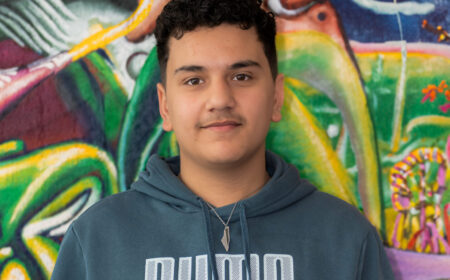
- Green Card Youth Voices: Immigration Stories from a Minneapolis High School – Angel Santos’s story
- Highlighter
- Pen/Pencil
- Drawing Paper
- Markers
Connections to 7 Cs of Ethnic Studies
- Cultivate: empathy, community actualization, cultural perpetuity, self-worth, self- determination, and the holistic well-being of all participants, especially Native people/s and people of color
- Conceptualize: imagine and build new possibilities for post-imperial life that promote collective narratives of transformative resistance, critical hope, and radical healing
Instructions
Day 1 – Ignite: Intro/Warm-Up
Welcome, agenda, announcements, learning target (slide 1)
Chunk: Community as a Source of Healing and Future Building (slide 2)
a. Warm-up activity
-
- Read as a class: “Perhaps the World Ends Here” by Joy Harjo (source)
- Turn + Talk Questions for post-reading:
- Gathered around the table are people, not one person. Around the “table” people can be hostile, but also joyous. Why is community necessary despite the ups and downs?
- What is necessary for people to gather “around the table”?
b. Mental health – Today’s lesson discusses immigration enforcement, family relationships, community safety, healing, and experiences of fear and uncertainty. Some students may personally or intergenerationally connect to these experiences in different ways. Please take care of yourself; participate in ways that feel comfortable and supportive.
Chunk
c. Community vs. Individualism
i. Activity: Move to the side if . . .
-
-
- On one side of the room, write on paper or a board, “I can do/solve this by myself.”
- On the other side of the room, “This can be done/solved with a group of people.”
- Read scenarios for students and have them move to the side they agree with.
- “You’re struggling to figure out your homework.”
- “You’re noticing a lot of garbage on the street by your house.”
- “Your city is destroyed by a natural disaster like a tornado or flood.”
- “Your community food shelf is running low.”
- “The park in your neighborhood has been vandalized.”
- Is every situation in your life meant to be handled by just you? When is it helpful to involve others?
- In many ways, community or collective work is easier and better for us mentally, emotionally, and physically.
-
ii. Slide 3: “Many countries in Central and South America rely on community to get through life. It is very common for homes to be multigenerational and honor those who have come before us!”
d. Communities and immigration as a form of future building (slide 4)
i. One of many reasons for immigration is the dream for a better life. (Break text, new paragraph/line.) What if that dream is threatened? What do you do?
-
-
- Ask students to share aloud; pick 3 people.
- Avoid pressuring students to disclose or feel the need to address personal topics.
- Prioritize emotional safety
- Realize students may not be ready to learn, talk, or engage in the topic of Metro Surge, as it could be triggering.
- Ask students to share aloud; pick 3 people.
-
ii. Slide 5: Mini task during lesson
-
-
- Have students read/listen to a story on this MPR article about immigrants during Metro Surge, the federal occupation of DHS agents in Minneapolis.
- Students answer in notebooks:
- Why did (insert name of person’s story you listened to) move to the US?
- What was their experience in the US during this time of the Metro Surge?
- In what ways did DHS and ICE threaten their rights to “life, liberty and the pursuit of happiness,” as promised in the Declaration of Independence?
-
iii. Ask students to share aloud; pick 3 people.
e. Slide 6: Threats to our future: Minneapolis during Metro Surge
i.
-
-
-
- Minneapolis came together: the protesters (source)
a. - Slide 7: Minneapolis came together: the organizers
a. - Slide 8: Minneapolis came together: the ICE watchers
a. - Slide 9: Community as a way to protect the future
- The way Minnesota came together for their neighbors demonstrates that people are willing to come together to believe in a future together—no matter their background.
- Ultimately, the front leaders were often women, mothers, and queer people leading mutual aid fundraisers for rent, food, transportation, and more.
- In many Latin American cultures, women are the ones tending and sacrificing a lot of their own social/emotional lives for their families.
- Minneapolis came together: the protesters (source)
-
-
f. Slide 10: Esperanza – Hope
-
- Esperanza means “hope” in Spanish.
- Watch video of how to say it here: https://www.youtube.com/watch?v=YIFVG-PNK9o
- Esperanza is often seen a cultural value, as many Latino people in the US have a connection to Latin American immigration or displacement of Indigenous lands.
- That’s why it is important to learn about familial origin stories passed down through culture, traditions, art, and more.
- Ask students: Is there a way to honor difficult times? Is it better to do it alone or in community?
- Dive deeper (suggested) and consider talking about Afro-Latino community traditions, Indigenous approaches to collective care, and acknowledging the differences in healing/community practices through this link:
- Esperanza means “hope” in Spanish.
Day 2 – Chew: Class Work Time Instructions
- Pick a partner.
- Read the story of Angel Santos (have them printed).
- Annotate Angel’s story.
- Circle words you do not know.
- Highlight sections where Angel shares his relationship with his family.
- Underline sections where Angel describes acceptance (from others or himself).
- Star sections that demonstrate dreams of the future.
- Slide 11: Add a pair to your pair!
-
- Share your annotations and discuss reflection questions together.
- Partner Discussion Questions (record or walk around during this)
- Pick an annotation that stuck out to you—why did it impact you?
- What/who helped Angel when he moved to the US?
- Why was it difficult for Angel to move to the US?
- Who helped Angel heal through his hard times?
- Angel mentions his complicated relationships with his family. Why are relationships, despite being complicated, important for people? How did they impact Angel’s life?
- In what ways does Angel demonstrate healing?
- How do communities protect one another?
- What does belonging look like for Angel? For you?
g. Day 3 – “Inviting Others to Our Table” activity (slide 12)
This activity may require this day to be a planning day, and another day for an execution day.
-
- Think of the poem we read at the beginning of class. Now, think of what you’d host at your table.
- Students have to plan something that allows for centering community and joy (this looks like an activity + dialogue) → “integrate joy into an activity while engaging in dialogue through prompts made to spark feelings of belonging and inspiration”
- Students will then set up at a table in a common area during the hour, ready with their activity and dialogue. Teachers are encouraged to invite staff and their classrooms to come on down to engage with students’ tables.
- Each table should show:
- Invitation and inclusivity—is your table open to all?
- Community nurturing—are you fostering community and a sense of belonging?
- Future building—how does your table inspire others to build a future for all?
- Think of the poem we read at the beginning of class. Now, think of what you’d host at your table.
- Examples:
-
- Collaging images that inspire good mental health while talking about mental health resources or prompts that promote checking in with oneself vulnerably.
- Journaling and sharing with your tablemate what you’re comfortable sharing.
- Sharing a meal with prompts to stir conversations with each other.
- Puzzling with prompts to stir convos with each other.
- Playing chess or cards—talk about friendly competition and what it means to lose.
- Gather inspo from the poem!
- Many, many more!
Review: Large Group Whipshare Discussion (for both planning and execution day)
- How does your table represent the future you wish for?
- What is it like to build toward that future?
Multilingual and ELL Supports
- Provide English sentence stems to help students contribute to whole class and small group discussions.
- Enable captions on videos (in English and/or home language).
- Allow students to think about their answers by writing them in their home language first prior to teacher questions during the lesson (chunk), and while sharing annotations and reflection questions with a partner.
- Allow students to read Angel’s story in their home language.
- Allow students to annotate in their home language.
Vocabulary and Definitions
- Community: a sense of belonging within a group due to shared interests, attitudes or goals
- Collective: people or entities that unite voluntarily for a common purpose
- Individualism: a perspective that draws attention to independence and freedom of action for individuals over the collective interests
- Future building: a perspective that looks forward to a future that is sustainable and resilient and centers the well-being of the collective community
Resource List
- Coco clip www.youtube.com/watch?v=0TYbf1pw1g8
- Encanto clip www.youtube.com/watch?v=Yp5nPGWWMh4
- “Perhaps the World Ends Here” https://www.poetryfoundation.org/poems/49622/perhaps-the-world-ends-here
- “Minnesota Proved MAGA Wrong” www.theatlantic.com/ideas/2026/01/the-neighbors-defending-minnesota-from-ice/685769
- Liberated Ethnic Studies Model Curriculum Values and Principles (7 Cs) https://drive.google.com/file/d/1cGOs7rsY9wT2qI-yIQh5dye8snRjGYxr/view
Unit 3: Healing and Future Building – Healing and Hope in Zaynab’s Story
Time Frame
-
1–2 class periods
Materials
-
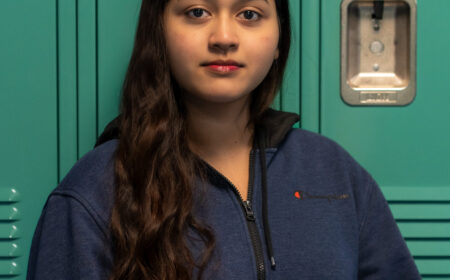
Green Card Youth Voices: Immigration Stories from a Minneapolis High School – Zaynab Abdi’s story and video
-
Pencil and Notebook
-
Scissors
-
Human Timeline Activity Handout
-
Vocabulary and Definitions Handout
Connection to the 7 Cs of Ethnic Studies
-
Challenge: move toward learning that interrupts harm; advances justice toward action, organizing, advocating, and healing; and disrupts dominant narratives
Instructions
Day 1 – Understanding Challenges, Healing, and Hope
Ignite: Interpretive Activity (Viewing/Reading)
Ask students to think about a time when something was difficult for them.
Have each student choose one theme to write about:
-
Talk about a time when you had to be strong.
-
Have you ever moved to a new place or started something new? How did you feel? What did you do?
Allow 3-5 minutes for writing
Four Corners Activity
Label four corners for the room: Family, School, Friends, Community
Tell students to move to the corner they think is most important in helping people heal and build a future.
Corner Discussions
Family
-
How did Zaynab’s family shape who she is?
-
Who in your family helps you when things are hard?
-
How do families help people heal?
School
-
How did school help Zaynab build her future?
-
Has a teacher or school ever helped you through something hard?
-
Why is education important for healing?
Friends
-
How can friends help someone who is going through a hard time?
-
Has a friend ever helped you feel like you belonged?
-
What does a good friend look like during hard times?
Community
-
How did Zaynab’s community in Minneapolis support her?
-
What does a supportive community look like?
-
How can a community help someone heal and build a future?
Bring the Class Together and Ask
-
Why did you choose your corner?
-
Can family, school, friends, community all help at the same time?
-
Which do you think helped Zaynab the most?
Tell students: As we learn Zaynab’s story, pay attention to the people and communities that helped her heal and build a future.
Vocabulary Introduction
Distribute the Vocabulary and Definitions Handout before watching Zaynab’s video. Students should keep the handout on their desks during all activities.
-
Say the word aloud; students repeat.
-
Read the definition in simple words.
-
Give a real-life example.
-
Students turn and tell a partner what the word means in their own words.
Cultural Background
Yemen is a country in the Middle East, located on the southern tip of :the Arabian Peninsula. It is one of the oldest inhabited regions in the world, with a rich history of trade, culture, and civilization. Aden, where Zaynab grew up, is Yemen’s second-largest city and a major port.
In 2011, Yemen experienced a major political revolution as part of the broader Arab Spring movement. This led to years of civil war and conflict, making Yemen one of the most dangerous places in the world for civilians. Millions of Yemeni people have been displaced and forced to leave their homes because of the violence.
Many Yemeni families, like Zaynab’s, were separated by the conflict. Some fled to neighboring countries like Egypt or Jordan. Others eventually made it to the United States through the refugee and immigration system.
Somalia is a country in East Africa, in the Horn of Africa region. Many Somali families have also immigrated to Minnesota; Minneapolis has one of the largest Somali communities in the United States. Zaynab’s story connects to this broader community of East African and Arab immigrants who have built new lives in Minnesota.
TB (tuberculosis) is a serious infectious disease that affects the lungs. It is common in parts of Africa, the Middle East, and Asia, particularly in overcrowded or under-resourced conditions. Zaynab contracted TB while living in Egypt. She received treatment and recovered. Her survival and continued journey show remarkable resilience.
STEP-UP is a real youth employment program in Minneapolis that connects young people, many of them from immigrant and refugee families, to internships, job training, and career opportunities. It is one of the many programs in Minneapolis that supports new immigrants and refugees in building their futures.
Show:
-
Map of Somalia and Minnesota.
-
Show 2–3 pictures of Somali families, schools, and community life.
Briefly explain refugee and immigrant experiences at an age-appropriate level.
Prepare for Viewing
Tell students that their job is to listen for:
-
What challenges did Zaynab face?
-
What actions did she take?
-
What happened as a result?
-
How did other people help her?
First Viewing
Tell students to watch without writing, and just focus on understanding the story.
After viewing, ask:
-
Where did Zaynab move and why?
-
What challenges did she face?
-
What helped her keep going?
Review: Exit Ticket
Complete one statement:
-
One challenge Zaynab faced was . . .
-
One person who helped Zaynab was . . .
-
One thing I learned about Zaynab’s journey was . . .
Day 2 – Healing, Community, and Future Building
Warm-Up Review – Partner Talk
-
What do you remember about Zaynab?
-
What challenge did she face?
Chunk
Second Viewing
Play the video a second time. Draw the graphic organizer chart on the whiteboard as seen below, then fill it out using words or short phrases. Complete one example together as a class before students work independently.
|
Outcome |
Action |
Challenge |
Teacher Moves (Pause and Support)
-
What challenge did Zaynab have?
-
What did she do?
-
What happened after?
Check for Understanding
Invite two students to share one challenge, action or outcome.
Human Timeline Activity
Distribute the Human Timeline Event Cards Handout. Students work in small groups to place the events from Zaynab’s story in chronological order.
Tell Students: Work with your group to arrange the event cards from the beginning of Zaynab’s story to the present. Discuss why each event is important to her journey.
Discussion Question: Why was each step important in Zaynab’s journey?
Teacher Key
Correct event order: Family, Move, Journey, School, Support, Success
Chew: Interpersonal Activities (Speaking/Exchanging Ideas)
When Zaynab came to the US, she faced challenges but also found new opportunities through school and support.
Partner Talk
Have students pair up with a partner and talk about Zaynab’s story.
-
What challenges did Zaynab face?
-
What actions did she take?
-
What opportunities came from those actions?
-
How did family, school, or community help Zaynab build her future?
Student Choice
Option A: Analyze Zaynab’s Story
Identify:
-
The challenge
-
The action
-
The outcome
Option B: Make a Connection
Think about a person you know (or a famous person) who:
-
Faced a challenge
-
Took action
-
Had a good result
Draw a picture or explain their story.
Sentence Stems
-
One problem Zaynab had was . . .
-
One thing that can help me reach my goal is . . .
-
She did . . .
-
Then . . . happened.
-
I think this shows . . .
Chew: Presentational Activity (Writing or Drawing)
Option A: Writing
-
Prompt
-
How did Zaynab heal and build her future?
-
-
Structure
-
Zaynab faced ______.
-
She responded by ______.
-
As a result, ______.
-
Option B: Speaking
-
Students share with a partner or the class for 30- 45 seconds.
-
Starter: “Zaynab’s story shows she is strong because . . .”
-
Review: Exit Ticket
Answer one question:
-
What is one challenge Zaynab faced? What did she do?
-
What is one way Zaynab showed she is strong?
-
What is one good thing that happened to Zaynab at the end?
Multilingual and ELL Support
-
Use visuals and pictures to support understanding.
-
Pre-teach key vocabulary with simple meanings and examples.
-
Provide sentence stems for speaking and writing.
-
Allow partner talk before whole-class sharing.
-
Accept oral responses instead of full writing when needed.
-
Allow drawing to demonstrate understanding.
-
Use gestures, modeling, and repetition to support comprehension.
-
Allow use of home language for discussion and first drafts.
-
Turn on captions for the video (home language if available).
-
Provide fill-in-the-blank writing support.
Resource List
-
Green Card Youth Voices: Immigration Stories from a Minneapolis High School – Zaynab Abdi’s narrative and video
-
Voice for Refuge https://drive.google.com/file/d/1_BACmQtwiM7t7wpGM-eqf6tqOf3k3msd/view
-
Liberated Ethnic Studies Model Curriculum Values and Principles (7 Cs) https://drive.google.com/file/d/1cGOs7rsY9wT2qI-yIQh5dye8snRjGYxr/view
Human Timeline Activity Handout
|
SUCCESS Zaynab becomes a senior in high school. She is hardworking and determined. She learns English and keeps pushing toward her goals. |
MOVE Zaynab flees to Egypt. She stays two years but gets sick with TB (tuberculosis). She recovers and keeps moving forward. |
|
SCHOOL Zaynab enrolls in school. She meets students from all over the world. She works hard and does not give up. |
SUPPORT Teachers help Zaynab catch up in school. She joins the STEP-UP program. She finds community and people who believe in her. She begins to feel like she belongs. |
|
FAMILY Zaynab grows up in Yemen with a large family. A revolution broke out. There is violence and instability. Her grandmother got sick and passed away. |
JOURNEY In 2014, Zaynab came to the US at age sixteen. She arrives in Minneapolis, Minnesota, a new city, a new language, a new life. |
Vocabulary and Definitions Handout
|
Vocabulary Word |
Definition |
Example |
|
Challenge |
A difficult situation that tests your strength and patience. |
Leaving your home country alone at age sixteen is a challenge. |
|
Healing |
The process of becoming healthy or whole again after an injury, loss, or difficult experience. |
Finding school and community helped Zaynab begin healing after losing her grandmother. |
|
Hope |
The positive feeling that something good can happen or that things will get better. |
Zaynab’s goals for school and helping others show that she has hope for her future. |
|
Identity |
The unique combination of traits, beliefs, and history that defines who a person is. |
Zaynab’s identity includes being Yemeni, being a student, being a survivor, and being a future lawyer. |
|
Belonging |
The comfortable feeling of being accepted and supported as a true member of a group. |
When Zaynab found students from all over the world at her school, she began to feel like she belonged. |
|
Future |
The period of time that is still to come—and the possibilities it holds. |
Zaynab is building her future by working hard in school and pursuing opportunities to help others. |
|
Resilience |
The ability to keep going and not give up when things are very hard. |
Zaynab showed resilience by surviving TB, traveling alone, and continuing to pursue her dream. |
Unit 3: Healing and Future Building – Hmong Healing and Future Building
Time Frame
-
2 class periods
Materials
Connections to the 7 Cs of Ethnic Studies
-
Cultivate: using traditional Hmong arts as an opportunity for identity affirmation and healing
-
Conceptualize: using Hmong arts as a tool for visioning, futurisms, world-building, hope, healing, and collective possibilities
Instructions
Important: Please give the class a general trauma warning and create a safe space for the class before beginning the lesson. Today’s class will explore how people use art and music to process hard times and heal. Some of our topics will touch on war, leaving home, and intergenerational trauma, the stress or sadness that families carry across generations, and may trigger certain feelings. Please remind students to be respectful of one another, provide space as needed, and allow students to skip or pass on discussions as needed. Also, remind students to reach out to their mental health providers and tell them these topics were brought up and discussed in class, and made students feel a certain way. Use your best professional judgment to warn the class.
Ignite: Sound Challenge
-
Play a short sound clip of either the qeej or the raj without showing the instrument (instrument slide).
-
Ask the class: If this sound were a person talking, what emotions might they be feeling?
-
Sentence Starter: The sound feels . . .
-
-
Show an image of the instrument. Explain to the class what this instrument is.
Turn and Talk
What song do you listen to when you are sad or down? Why does music work better than just talking to a friend?
Chunk: Hmong Musical Instruments
-
Watch an excerpt of Among Mountains, from 29:00 to 43:00.
-
Neng Thao explains the instruments and their connections to the Hmong language, along with how music is an extension of the language and is often used for courting.
-
Explain how the instruments mimic the tones of words when they are played. The sounds are like singing a message to express one’s feelings, singing to a friend, or singing to one’s ancestors. Have students try to hum the tone of their own name.
-
Clearly explain to students how music allows for expression, especially feelings. Traditionally, it is a cultural taboo to openly talk and share feelings and emotions, especially while courting. Music allows individuals to express their feelings of love, happiness, or sadness to one another.
Turn and Talk
Think about a song you put on when you are down. Why does hearing this song feel safer or more comforting than talking with a friend?
-
Sentence Starter: When I am overwhelmed, I like to listen to . . .
Chunk: Steve Thao
Watch the “Steve Thao” video from Green Card Entrepreneur Voices.
Group Task
-
Watch: Watch the video together.
-
Discuss: How did art help Hmong to express their feelings? How can art help Hmong understand their family’s history? How can art help Hmong heal from their past?
-
Analyze: Thao said, “Art is a way for us to tell our own stories, rather than having others tell them for us.” What does he mean by this? How can you use art to tell your story?
-
How do you express your feelings?
-
How can you use art to express your feelings?
-
Chew: Paj Ntaub Artwork
Introduce traditional Hmong paj ntaub, which is often used to tell stories, especially through story cloths. Share how story cloths started in the refugee camps as a way for Hmong to use their talent to make money. They would make cloth by hand and create story cloths of their journey, history, and experiences. Show examples of story cloths and point out specific symbols and what they represent. (See Flowery Cloth link below.)
Mini-Story Cloth Assignment
Create a three-panel story cloth template.
-
Template design: three squares side by side by side, with a border consisting of Hmong symbols (mountains and/or snails)
-
Students will draw in each square.
-
Square 1: Draw an image of a challenge you faced.
-
Square 2: Draw something that helped you to feel better or heal (family, music, art, etc.).
-
Square 3: Draw your future hopes for yourself.
-
-
-
Students will also write three sentences about their images, one for each square.
-
My art shows _________.
-
It helps me feel ______ because _____.
-
__________ gives me hope for the future.
-
Review: 3-2-1 Exit Ticket
On a slip of paper (regular notebook paper or sticky notes) or a digital form, students must write and turn in:
-
Three things they learned today
-
Two symbols that can be found on a Hmong story cloth
-
One way art can help heal
Multilingual and ELL Support
-
Provide a sentence stem for reflection:
-
Art can serve to help with . . .
-
Art can help heal . . .
-
Art allows me to understand…
-
I express myself by . . .
-
When I feel _______, I listen to . . .
-
Vocabulary and Definitions
-
Paj ntaub: traditional Hmong art that is made by a needle stitching onto a fabric cloth
-
Art: something you make using imagination to share ideas and feelings, to make something beautiful, or to show and tell how you see the world
-
Healing: the process of getting better, stronger, or whole again after you have been hurt, in either your body or feelings
-
Hope: the belief that something good can happen
-
Symbol: a picture that stands for a big idea
Resource List
-
Hmong Instruments www.learnabouthmong.org/default_active_page_id=31.html
-
Paj Ntaub https://learnuake.org/articles/hmong-culture/embroidery/
-
Flowery Cloth https://drive.google.com/file/d/1xbPy-QN1b9Oq90H28k_mWvihBg3xabvG/view
-
Among Mountains video www.youtube.com/watch?v=VpT5bHrezxE
-
Green Card Entrepreneur Voices – Steve Thao’s video
-
Liberated Ethnic Studies Model Curriculum Values and Principles (7 Cs) https://drive.google.com/file/d/1cGOs7rsY9wT2qI-yIQh5dye8snRjGYxr/view
-
“Birdsong: the dying whistled language of Hmong in northern Laos” video – www.youtube.com/watch?v=_KIYwCieaMs
Yunitii 3ffaa: Fayyinaa fii Fuuldura Ijaaruu – Sirna Gadaa Bulchiinsa Oromoo
Yeroo Murta’e
- Kutaa barnootaa tokko yookan lama kessatti
Meeshaalee Barnootaa
- Green Card Voices – Viidiyo Mikyas Woldemichael
- Dabalee: Hojii Barattootaf
- Oromo Lesson Slides
Connections to the 7 Cs of Ethnic Studies
- Center: Sirna Gadaatin beekumsa hawaasa Oromoo, jaarsolii, maatii, fi muuxannoo jireenyaa irratti xiyyeeffachuu.
- Conceptualize: Dargaggoota Oromoo fi Itoophiyaa keessattif abdii, fayyinaa, fuuldura, fi carraalee irratti yaadu
Qajeelfamoota:
Ignite (Kakaasuu)
- Barattoonni walitti haa’saaudhan, gaafii armaan gaditti kana haa deebisan:
- Galmaa yookaan abdii fuulduraf maal qabda?
Chunk 1 (Qindeessuu 1)
- “What Is the Gadaa System?” Baratootatti garsiisii (Dabalee 1 ilaali).
- Barattoonni Venn Diagramii haa guutan (Dabalee 2 ilaali).
Chunk 2 (Qindeessuu 2)
- Baratoonni Vidiyoo Mikyas Woldemichael haa laalan.
Chew (Xiinxaluu)
- Viidiyoo ilaaluu booda, barattonnii gaafii armaan gaditti haa deebisan:
- Mikyas yeroo Ameerikaatti dhufe qormaatawwan maalii isa mudatan?
- Mikyas hawaasa isaatiif deebi’ee gumaachuu akka jalqabu kan isa taasise maal ture?
- Kubbaa miilaa hawaasa Mikyasiif fayyinaa fi carraalee fuulduraa kenne ni yaaddan? Maaliif?
- Mikyas yeroo hawaasa isaatiif deebi’ee gumaachaa ture sadarkaa Sirna Gadaa keessaa kam ture yaaddan? Maalif?
Irra Deebi’u
- Barattoonnii gaafii armaan gaditti wal haa qoodan:
- Ijoollee akka umrii keeti Sirna Gadaa kessatti sadarkaa kam jiran?
- Umrii kanattii itti gaafatamummaa maal fakkata?
- Waan kun aadaa kee kessatti akkam tokkoo yookan adda ta’e?
Deeggarsa Afaanii
- Mul’ata kennu (see slides/attachments).
- Meeshaalee yaada qindeessan kennuu
- Jalqaboota himaa kennuu hojjii barreeffamaa fi ha’saauuf.
Jechootaa fii Hiikaa Isaanii
- Gadaa system: Sirna siyaasa fii mootummaa ummata Oromoof.
- Abba Gadaa: Geggeessaa filatame Sirna Gadaa kessaatti.
- Qondaala: Sadarkaa 4ffa Sirna Gadaa kessatti, umrii diigdamii afuur irra hanga sodomii lamatti. Dargaggonni kun tiksitoota hawaasaa ta’u. Isaani loluu, ispoortii fi daakuu ni leenjisan.
- Abba Duula: Ajajaa waraanaa Sirna Gadaa keessatti.
Tarree Maddalee Barnootaa
-
- Dirrib Damisse, 2007 Sirna Gadaa
- The Oromo and the Christian Kingdom of Ethiopia, 1300–1700 by Mohammed Hassen
- Partisan Discourse and Authentic History by Tabor Wami
- Liberated Ethnic Studies Model Curriculum Values and Principles (7 Cs) https://drive.google.com/file/d/1cGOs7rsY9wT2qI-yIQh5dye8snRjGYxr/view
Dabalee 1: Sirna Gadaan Maali? (Hojii Barattootaf)
Sirna Gadaan Maali?
Sirna Gadaa akkuma gaaddisaati. Ummata Oromoo bakka hundatti ni hordofa. Namoonni umrii isaanii irratti hundaa’uun hojjii ni qaban. Sirna Gadaa addunyaa irrati beekamaadha. UNESCO’nis Sirna Gadaa akka qabeenya Addunyaa ta’e eegumsaa jiran.
Geggeessaa Shanan (Mootummaa)
Sirna Gadaa gareewwan garaagaraatiin qoodama. Gareen hundi geggeessaa qaba. Geggeessaan sun hojii addaa qaban.
- Abbaa Gadaa: Geggeessaa olaanaa biyya guutuu bulchu
- Abbaa Duulaa: Ajajaa waraanaa Sirna Gadaa keessatti.
- Abbaa Sa’aa: Qabeenya uumamaa akka buna fii qonnaa irrati hojji hojjetu.
- Abbaa Caffe: geggeessaa seera baasuu keessatti hojji hojjetu.
- Abbaa Seeraa: geggeesaa haqa fi seerati. Namoonni hunda seera akka kabajan ni ilaalaa.
Sadarkaa Kudhan Sirna Gadaa Keessatti
Sadarkaa 1: Dabballee (Umrii 0–8)
Ijoolleen umrii kanatti akka qulqulluu ta’an fii dilii hin qabnee ilaalamu. Hojjiin isaanii taphaan, mammaaksan fii hibboon waa’ee maatii isaani fii uumamaa barachuuf.
Sadarkaa 2: Ittimakoo (Umrii 8–16)
Sadarkaa kanattin ijoolleen taphoota, sirboota fii shubbisaa aadaa ni baratan. Akkasumas seenaa maatii isaanii fi lakkaawwuu ni baratan. Amala gaarii ijaaruu, gaarummaa fi obsa qabachuulee ni baratan.
Sadarkaa 3: Fools / Great Gaammee (Umrii 16–24)
Kana sadarkaa akkumaa koollejjii yaadaa. Dargaggoonii umrii kanatti hojjii qonnaa, fardaa yaabbachuu fii horii tiiksu ni baratan. Akkasumas dandeettii lolaa ni leenjisan. Sirbootadhan aadaa isaanilee ni kabajan.
Sadarkaa 4: Qondaala (Umrii 24–32)
Kun sadarkaa eegumsaati. Dargarggonni ispoortii, daakuu, fii loluu ni leenjisan. Hojjii irra gudda isaanii ummata Oromoo fii qabenyaa isanii tiiksudha.
Sadarkaa 5: Raaba Doorii (Umrii 32–40)
Kun sadarkaa namoonni geggeessummaaf itti qopha’anidha. Wa’ee seeraa, seenaa fii mootummaa geggeessuu ni baratan. Akkasumas itti gaafatamummaa fuudhuu fii maatii ijaaruu ni fudhatan, akka biyyaa geggeessuuf qophaa’an agarsiisuuf.
Sadarkaa 6: Gadaa / Abbaa Gadaa (Umrii 40–48)
Kun sadarkaa mootummaa geggeessuuti. Namoonnii waggoota hedduu leenjii booda geggeessummaaf filatamu. Abba Gadaan geggeessa olaanaadha. Isaani waggaa saddeetiif ummata isaanii bulchan.
Sadarkaa 7: Yuuba tokkoffaa (Umrii 48–56)
Waggaa sadeetii geggeessaa ta’anii booda, namoonni gorsitoota ta’an. Nama kabajamaa tokko Abba Bokkuu ta’ee filatamu. Inni filannoo sirrii akka ta’u ilaala, akkasumas ummata Oromoof waliigala guddaatti deema (akkuma waliigala Afrikaan Yuuniyoon).
Sadarkaa 8 and 9: Yuuba lamaffaa fii saddaffaa (Umrii 56–72)
Sadarkaalee kana keessatti, maanguddoota Hayyuu jedhanii waamani. Hojjiin isaanii dargaggoota aadaa Oromoo fii mootummaa barsiisuudha. Akkasumas yeroo wal mormuu kessaa, araara ni baasan.
Sadarkaa 10: Yuuba afraaffaa / Gadaamojjii (Umrii 72–80)
Maanguddoota kun hayyota hawaasati. Beekumsa guddaa qaban, namoonni hedduunis isaani ni kabajan. Yeroo isaani barsiisuu, kadhachuu fii ummata isaanii gargaaruu wajjin dabarsanii.
Xumuraa
-
Humna Saddeetii: Sadarkaan hundi waggaa saddeetii turti.
-
Ce’umsa Dimokiraasii: Aangoon yeroo hundaa garee itti aanuuf darbama; namni tokko yeroo hunda aango waliin hin turuu.
-
Kabaja Umriif: Gareen umrii hundi hojii addaa qaba. Hojiin isaani hawaasa guutuu ni gargaara.
Dabalee 2: Sirna Gadaa Wal bira Qabi fi Garaagarummaa Isaa Adda Baasi (Hojii Barattootaf)
Sirna Gadaa aadaa kee yookaan maatii kee wajjin maal akka wal fakkaatu fi maal akka adda ta’e irratti waraqaa hojii armaan gadiitti guuti. Fakkenyaa Sadarkaa Kudhan Sirna Gadaa irra itti fayyadami.
Sirna Gadaa fi Aadaa Koo yookaan Maatii Koo: Waan Wal Fakkaatan fi Waan Adda Ta’an

Unidad 3: Sanar y construir un futuro – Sanar y construir un futuro a través de la comunidad
Periodo de tiempo
- 1-3 períodos de clase
Materiales
- Poema: “Quizás el mundo termina aquí” de Joy Harjo
- Chromebooks
- Diapositivas
- Cuadernos
- Green Card Voices: Historias de inmigración de una escuela secundaria de Minneapolis –Ángel Santos historia
- Resaltador
- Pluma/Lápiz
- Papel para dibujar
- Marcadores
Conexiones con las 7 C’s de los estudios étnicos
- Cultivar: empatía, realización comunitaria, perpetuidad cultural, autoestima, autodeterminación y el bienestar holístico de todos los participantes, especialmente los pueblos indígenas y las personas de color.
- Conceptualizar: imaginar y construir nuevas posibilidades para la vida posimperial que promuevan narrativas colectivas de resistencia transformativa, la esperanza crítica y la sanación radical.
Instrucciones
Día 1 – Encender: Introducción/Calentamiento
Bienvenida, agenda, anuncios, objetivo de aprendizaje (diapositiva 1)
Fragmentar: La comunidad como fuente para sanar y construir el futuro (diapositiva 2)
a. Actividad de calentamiento
i. Leer juntos en la clase: “Quizás el mundo termina aquí” de Joy Harjo (fuente)
ii. Preguntas para la actividad “Conversar en parejas” después de leer:
- Alrededor de la mesa se reúnen personas, no solo una. Alrededor de la mesa, la gente puede ser hostil pero también alegre. ¿Por qué es necesaria la comunidad a pesar de los altibajos?
- ¿Qué es necesario para que la gente se reúna “alrededor de la mesa”?
b. Salud mental –La lección de hoy trata sobre la aplicación de las leyes de inmigración, las relaciones familiares, la seguridad comunitaria, sanar y las experiencias de miedo e incertidumbre. Algunos estudiantes pueden identificarse con estas experiencias de varias maneras, personalmente o intergeneracionalmente. Cuídense y participen de la forma que les resulte más cómoda y les brinde apoyo.
Fragmento
c. Comunidad vs. individualismo
i. Actividad: Muévase hacia un lado si…
- En un lado del aula, escribe en papel o en una pizarra: “Puedo hacer/resolver esto por mi cuenta”.
- Al otro lado del aula: “Esto se puede hacer/resolver con un grupo de personas”.
- Lea a los estudiantes los diferentes escenarios y pídales que se pongan al lado con el que estén de acuerdo.
a. “Te cuesta entender tus deberes.”
b. “Ves mucha basura en la calle cerca de tu casa.”
c. “Tu ciudad queda destruida por un desastre natural como un tornado o una inundación.”
d. “Las reservas de alimentos de su comunidad se están agotando.”
e. “El parque de tu barrio ha sido vandalizado.”
- ¿Todas las situaciones de tu vida deben ser manejadas por ti solo? ¿Cuándo es útil involucrar a otros?
a. En muchos sentidos, el trabajo comunitario o colectivo es más fácil y mejor para nosotros a nivel mental, emocional y físico.
ii. Diapositiva 3: “Muchos países de Centroamérica y Sudamérica dependen de la comunidad para salir adelante. ¡Es muy común que los hogares sean multigeneracionales y honren a quienes nos precedieron!”
d. Las comunidades y la inmigración como una manera de construir un futuro (diapositiva 4)
i. Una de varias razones para emigrar es el sueño de una vida mejor. (Salto de texto, nuevo párrafo/línea). ¿Qué sucede si ese sueño es amenazado? ¿Qué se puede hacer?
- Pida a los estudiantes que compartan sus ideas en voz alta; elija a 3 personas.
a. Evite presionar a los estudiantes para que revelen o sientan la necesidad de atender a los temas personales.
b. Prioriza la seguridad emocional
c. Mantenga en cuenta que quizás los estudiantes no estén preparados para aprender, hablar o participar sobre el tema de Metro Surge, ya que podría resultarles perturbador.
ii. Diapositiva 5: Minitarea durante la lección
- Anima a que los estudiantes lean o escuchen una historia sobre este artículo de MPR de los inmigrantes durante Metro Surge, la ocupación federal de agentes del DHS en Minneapolis.
- Los estudiantes responden en sus cuadernos:
a. ¿Por qué (incluye el nombre de la persona cuya historia escuchó) se mudó a los Estados Unidos?
b. ¿Cuál fue su experiencia en los Estados Unidos durante este período del Metro Surge?
c. ¿De qué manera DHS y ICE amenazaron sus derechos a la “vida, la libertad y la búsqueda de la felicidad”, tal como se promete en la Declaración de Independencia?
iii. Pida a los estudiantes que compartan sus ideas en voz alta; elija a 3 personas.
e. Diapositiva 6: Amenazas para nuestro futuro: Minneapolis durante Metro Surge
i.
- Minneapolis se unió: los manifestantes (fuente)
a.
- Diapositiva 7: Minneapolis se unió: los organizadores
a.
- Diapositiva 8: Minneapolis se unió: los observadores del ICE
a.
- Diapositiva 9: La comunidad como una manera de proteger el futuro
a. La manera en que los habitantes de Minnesota se unieron para ayudar a sus vecinos demuestra que la gente está dispuesta a unirse para creer en un futuro juntos, sin importar su origen.
b. Finalmente, quienes lideraban estos movimientos muchas veces eran mujeres, madres y personas LGBTQ+ que organizaban colectas de ayuda mutua para cubrir gastos como el alquiler, la comida, el transporte y otras necesidades.
i. En muchas culturas latinoamericanas, son las mujeres quienes se ocupan de sus familias y sacrifican gran parte de su vida social y emocional por sus familias.
f. Diapositiva 10: Hope-Esperanza
i. “ Hope” significa esperanza en español.
- Mira un vídeo sobre cómo decirlo: https://www.youtube.com/watch?v=YIFVG-PNK9o
- La esperanza suele considerarse un valor cultural, ya que muchos latinos en Estados Unidos tienen una conexión con la inmigración latinoamericana o el desplazamiento de tierras indígenas.
- Por eso es importante conocer las historias sobre el origen familiar que se transmiten a través de la cultura, las tradiciones, el arte y más.
a. Pregunta para los estudiantes: ¿Hay una manera de honrar los momentos difíciles? ¿Es mejor hacerlo a solas o en comunidad?
- Profundizar más (sugerido) y considere hablar sobre las tradiciones de la comunidad afro-latino, los enfoques indígenas del cuidado colectivo y el reconocimiento de las diferencias en las prácticas de sanar prácticas comunitarias a través de este enlace:
a.
b.
https://www.safeaustin.org/healing-practices-and-traditions-from-across-the-african-diaspora
Día 2 – Masticar: Instrucciones para el tiempo de trabajar en clase
- Elige un compañero.
- Lee la historia de Ángel Santos (imprímala).
- Anota la historia de Ángel.
a. Rodea con un círculo las palabras que no conozcas.
b. Resalte las secciones donde Ángel comparte su relación con su familia.
c. Subraya las secciones donde Ángel describe la aceptación (de los demás o de sí mismo).
d. Marca con una estrella las secciones que muestran sueños para el futuro.
ii. Diapositiva 11: ¡Añade un par a tu pareja!
- Compartan sus anotaciones y comenten juntos en las preguntas de reflexión.
- Preguntas para la discusión en pareja (grabar o caminar por el aula )
a. Elige una anotación que te haya llamado la atención: ¿por qué te impactó?
b. ¿Qué o quién ayudó a Ángel cuando se mudó a los Estados Unidos?
c. ¿Por qué le resultó difícil a Ángel mudarse a los Estados Unidos?
d. ¿Quién ayudó a Ángel a superar sus momentos difíciles?
e. Ángel menciona sus relaciones familiares complicadas. ¿Por qué son importantes las relaciones, a pesar de ser complicadas? ¿Cómo impactaron la vida de Ángel?
f. ¿De qué maneras Ángel demuestra sanar?
g. ¿Cómo se protegen las comunidades unas a otras?
h. ¿Qué significa para Ángel pertenecer? ¿Y para ti?
g. Día 3 – Actividad “Invitar a otros a nuestra mesa” (diapositiva 12)
Esta actividad puede requerir que este día sea de planificación y otro para la ejecución.
- Piensa en el poema que leímos al principio de la clase. Ahora, piensa en qué invitados tendrías en tu mesa.
a. Los estudiantes deben planear algo que permita centrar la atención en la comunidad y la alegría (esto se parece a una actividad + diálogo) → “integrar la alegría en una actividad mientras se participa en un diálogo a través de preguntas diseñadas para despertar sentimientos de pertenecer e inspiración”.
- Los alumnos se instalarán en una mesa en un área común durante la hora programada, listos con su actividad y diálogo. Se anima a los profesores a invitar al personal y a sus clases a venir a interactuar con los alumnos en sus mesas.
- Cada mesa debe mostrar:
i. Invitación e inclusión: ¿su mesa está abierta a todos?
ii. Apoyar a la comunidad: ¿estás creando comunidad y te sientes parte de ella?
iii. Construir un futuro: ¿cómo inspira tu mesa a otros a crear un futuro para todos?
- Ejemplos:
a. Juntar imágenes que inspiran buena salud mental, mientras hablan de recursos de la salud mental o sugerencias que fomentan la introspección de la vulnerabilidad.
b. Escribe en tu diario y comparte con tu compañero de mesa lo que sientas cómodo compartiendo.
c. Compartir una comida y proponer temas que animan a la conversación.
d. Interpretando preguntas que animan a la conversación entre ellos.
e. Jugar al ajedrez o a las cartas: hablar de la competencia amistosa y de lo que significa perder.
f. ¡Inspírate del poema! + ¡Muchísimos más!
Revisar: Discusión en grupo grande (tanto para el día de planificación como el de ejecución)
- ¿Cómo representa tu mesa un futuro que deseas?
- ¿Cómo es construir para ese futuro?
Apoyo multilingüe para estudiantes de inglés (ELL, por sus siglas en inglés)
- Proporcionar frases en inglés para ayudar a los estudiantes a participar en las discusiones con toda la clase y en grupos pequeños.
- Activar los subtítulos en los vídeos (en inglés y/o en el idioma materno).
- Permitir que los estudiantes reflexionen sobre sus respuestas escribiendo primero en su lengua materna, antes de que el profesor haga las preguntas durante la clase (fragmentos), y mientras comparten anotaciones y preguntas de reflexión con un compañero.
- Permitir que los estudiantes lean la historia de Ángel en su idioma materno.
- Permitir que los estudiantes hagan anotaciones en su idioma materno.
Vocabulario y definiciones
- Comunidad: Un sentimiento de pertenecer dentro de un grupo debido a intereses, actitudes o metas compartidas.
- Colectivo: Personas o entidades que se unen voluntariamente con un propósito común
- Individualismo: Una perspectiva que pone atención a la independencia y la libertad de acción de los individuos por encima de los intereses colectivos.
- Construir el futuro: Una perspectiva que mira hacia un futuro sostenible y resiliente y que centra el bienestar de la comunidad colectiva.
Lista de recursos
- Coco clip www.youtube.com/watch?v=0TYbf1pw1g8
- Encanto clip www.youtube.com/watch?v=Yp5nPGWWMh4
- “Quizás el mundo termina aquí” https://www.poetryfoundation.org/poems/49622/perhaps-the-world-ends-here
- “Minnesota demostró que MAGA estaba equivocado” www.theatlantic.com/ideas/2026/01/the-neighbors-defending-minnesota-from-ice/685769
- Valores y principios del modelo currículo de los estudios étnicos liberados (7 C’s) https://drive.google.com/file/d/1cGOs7rsY9wT2qI-yIQh5dye8snRjGYxr/view