
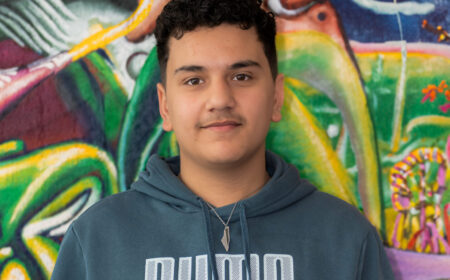
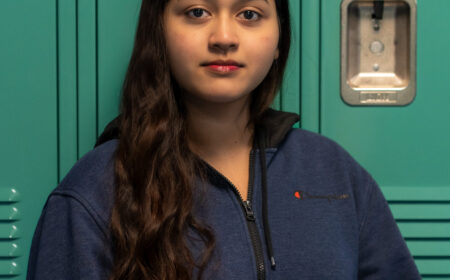


Unit 3: Healing and Future Building – Healing and Hope in Zaynab’s Story
Time Frame
-
1–2 class periods
Materials
-
Green Card Youth Voices: Immigration Stories from a Minneapolis High School – Zaynab Abdi’s story and video
-
Pencil and Notebook
-
Scissors
-
Human Timeline Activity Handout
-
Vocabulary and Definitions Handout
Connection to the 7 Cs of Ethnic Studies
-
Challenge: move toward learning that interrupts harm; advances justice toward action, organizing, advocating, and healing; and disrupts dominant narratives
Instructions
Day 1 – Understanding Challenges, Healing, and Hope
Ignite: Interpretive Activity (Viewing/Reading)
Ask students to think about a time when something was difficult for them.
Have each student choose one theme to write about:
-
Talk about a time when you had to be strong.
-
Have you ever moved to a new place or started something new? How did you feel? What did you do?
Allow 3-5 minutes for writing
Four Corners Activity
Label four corners for the room: Family, School, Friends, Community
Tell students to move to the corner they think is most important in helping people heal and build a future.
Corner Discussions
Family
-
How did Zaynab’s family shape who she is?
-
Who in your family helps you when things are hard?
-
How do families help people heal?
School
-
How did school help Zaynab build her future?
-
Has a teacher or school ever helped you through something hard?
-
Why is education important for healing?
Friends
-
How can friends help someone who is going through a hard time?
-
Has a friend ever helped you feel like you belonged?
-
What does a good friend look like during hard times?
Community
-
How did Zaynab’s community in Minneapolis support her?
-
What does a supportive community look like?
-
How can a community help someone heal and build a future?
Bring the Class Together and Ask
-
Why did you choose your corner?
-
Can family, school, friends, community all help at the same time?
-
Which do you think helped Zaynab the most?
Tell students: As we learn Zaynab’s story, pay attention to the people and communities that helped her heal and build a future.
Vocabulary Introduction
Distribute the Vocabulary and Definitions Handout before watching Zaynab’s video. Students should keep the handout on their desks during all activities.
-
Say the word aloud; students repeat.
-
Read the definition in simple words.
-
Give a real-life example.
-
Students turn and tell a partner what the word means in their own words.
Cultural Background
Yemen is a country in the Middle East, located on the southern tip of :the Arabian Peninsula. It is one of the oldest inhabited regions in the world, with a rich history of trade, culture, and civilization. Aden, where Zaynab grew up, is Yemen’s second-largest city and a major port.
In 2011, Yemen experienced a major political revolution as part of the broader Arab Spring movement. This led to years of civil war and conflict, making Yemen one of the most dangerous places in the world for civilians. Millions of Yemeni people have been displaced and forced to leave their homes because of the violence.
Many Yemeni families, like Zaynab’s, were separated by the conflict. Some fled to neighboring countries like Egypt or Jordan. Others eventually made it to the United States through the refugee and immigration system.
Somalia is a country in East Africa, in the Horn of Africa region. Many Somali families have also immigrated to Minnesota; Minneapolis has one of the largest Somali communities in the United States. Zaynab’s story connects to this broader community of East African and Arab immigrants who have built new lives in Minnesota.
TB (tuberculosis) is a serious infectious disease that affects the lungs. It is common in parts of Africa, the Middle East, and Asia, particularly in overcrowded or under-resourced conditions. Zaynab contracted TB while living in Egypt. She received treatment and recovered. Her survival and continued journey show remarkable resilience.
STEP-UP is a real youth employment program in Minneapolis that connects young people, many of them from immigrant and refugee families, to internships, job training, and career opportunities. It is one of the many programs in Minneapolis that supports new immigrants and refugees in building their futures.
Show:
-
Map of Somalia and Minnesota.
-
Show 2–3 pictures of Somali families, schools, and community life.
Briefly explain refugee and immigrant experiences at an age-appropriate level.
Prepare for Viewing
Tell students that their job is to listen for:
-
What challenges did Zaynab face?
-
What actions did she take?
-
What happened as a result?
-
How did other people help her?
First Viewing
Tell students to watch without writing, and just focus on understanding the story.
After viewing, ask:
-
Where did Zaynab move and why?
-
What challenges did she face?
-
What helped her keep going?
Review: Exit Ticket
Complete one statement:
-
One challenge Zaynab faced was . . .
-
One person who helped Zaynab was . . .
-
One thing I learned about Zaynab’s journey was . . .
Day 2 – Healing, Community, and Future Building
Warm-Up Review – Partner Talk
-
What do you remember about Zaynab?
-
What challenge did she face?
Chunk
Second Viewing
Play the video a second time. Draw the graphic organizer chart on the whiteboard as seen below, then fill it out using words or short phrases. Complete one example together as a class before students work independently.
|
Outcome |
Action |
Challenge |
Teacher Moves (Pause and Support)
-
What challenge did Zaynab have?
-
What did she do?
-
What happened after?
Check for Understanding
Invite two students to share one challenge, action or outcome.
Human Timeline Activity
Distribute the Human Timeline Event Cards Handout. Students work in small groups to place the events from Zaynab’s story in chronological order.
Tell Students: Work with your group to arrange the event cards from the beginning of Zaynab’s story to the present. Discuss why each event is important to her journey.
Discussion Question: Why was each step important in Zaynab’s journey?
Teacher Key
Correct event order: Family, Move, Journey, School, Support, Success
Chew: Interpersonal Activities (Speaking/Exchanging Ideas)
When Zaynab came to the US, she faced challenges but also found new opportunities through school and support.
Partner Talk
Have students pair up with a partner and talk about Zaynab’s story.
-
What challenges did Zaynab face?
-
What actions did she take?
-
What opportunities came from those actions?
-
How did family, school, or community help Zaynab build her future?
Student Choice
Option A: Analyze Zaynab’s Story
Identify:
-
The challenge
-
The action
-
The outcome
Option B: Make a Connection
Think about a person you know (or a famous person) who:
-
Faced a challenge
-
Took action
-
Had a good result
Draw a picture or explain their story.
Sentence Stems
-
One problem Zaynab had was . . .
-
One thing that can help me reach my goal is . . .
-
She did . . .
-
Then . . . happened.
-
I think this shows . . .
Chew: Presentational Activity (Writing or Drawing)
Option A: Writing
-
Prompt
-
How did Zaynab heal and build her future?
-
-
Structure
-
Zaynab faced ______.
-
She responded by ______.
-
As a result, ______.
-
Option B: Speaking
-
Students share with a partner or the class for 30- 45 seconds.
-
Starter: “Zaynab’s story shows she is strong because . . .”
-
Review: Exit Ticket
Answer one question:
-
What is one challenge Zaynab faced? What did she do?
-
What is one way Zaynab showed she is strong?
-
What is one good thing that happened to Zaynab at the end?
Multilingual and ELL Support
-
Use visuals and pictures to support understanding.
-
Pre-teach key vocabulary with simple meanings and examples.
-
Provide sentence stems for speaking and writing.
-
Allow partner talk before whole-class sharing.
-
Accept oral responses instead of full writing when needed.
-
Allow drawing to demonstrate understanding.
-
Use gestures, modeling, and repetition to support comprehension.
-
Allow use of home language for discussion and first drafts.
-
Turn on captions for the video (home language if available).
-
Provide fill-in-the-blank writing support.
Resource List
-
Green Card Youth Voices: Immigration Stories from a Minneapolis High School – Zaynab Abdi’s narrative and video
-
Voice for Refuge https://drive.google.com/file/d/1_BACmQtwiM7t7wpGM-eqf6tqOf3k3msd/view
-
Liberated Ethnic Studies Model Curriculum Values and Principles (7 Cs) https://drive.google.com/file/d/1cGOs7rsY9wT2qI-yIQh5dye8snRjGYxr/view
Human Timeline Activity Handout
|
SUCCESS Zaynab becomes a senior in high school. She is hardworking and determined. She learns English and keeps pushing toward her goals. |
MOVE Zaynab flees to Egypt. She stays two years but gets sick with TB (tuberculosis). She recovers and keeps moving forward. |
|
SCHOOL Zaynab enrolls in school. She meets students from all over the world. She works hard and does not give up. |
SUPPORT Teachers help Zaynab catch up in school. She joins the STEP-UP program. She finds community and people who believe in her. She begins to feel like she belongs. |
|
FAMILY Zaynab grows up in Yemen with a large family. A revolution broke out. There is violence and instability. Her grandmother got sick and passed away. |
JOURNEY In 2014, Zaynab came to the US at age sixteen. She arrives in Minneapolis, Minnesota, a new city, a new language, a new life. |
Vocabulary and Definitions Handout
|
Vocabulary Word |
Definition |
Example |
|
Challenge |
A difficult situation that tests your strength and patience. |
Leaving your home country alone at age sixteen is a challenge. |
|
Healing |
The process of becoming healthy or whole again after an injury, loss, or difficult experience. |
Finding school and community helped Zaynab begin healing after losing her grandmother. |
|
Hope |
The positive feeling that something good can happen or that things will get better. |
Zaynab’s goals for school and helping others show that she has hope for her future. |
|
Identity |
The unique combination of traits, beliefs, and history that defines who a person is. |
Zaynab’s identity includes being Yemeni, being a student, being a survivor, and being a future lawyer. |
|
Belonging |
The comfortable feeling of being accepted and supported as a true member of a group. |
When Zaynab found students from all over the world at her school, she began to feel like she belonged. |
|
Future |
The period of time that is still to come—and the possibilities it holds. |
Zaynab is building her future by working hard in school and pursuing opportunities to help others. |
|
Resilience |
The ability to keep going and not give up when things are very hard. |
Zaynab showed resilience by surviving TB, traveling alone, and continuing to pursue her dream. |
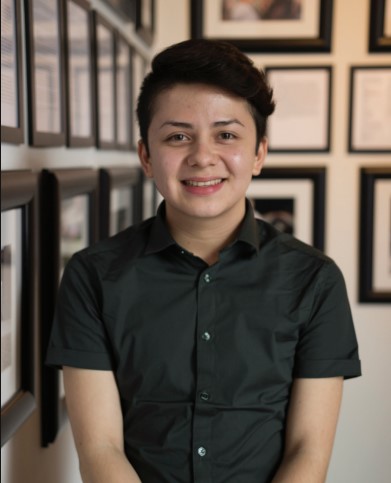
Unit 3: Healing and Future Building: Healing and Future Building Through Community
Time Frame
- 1–2 class periods
Materials
- Green Card Youth Voices: Immigration Stories from a Minneapolis High School – Angel Santos’s story
- Poem: “Perhaps the World Ends Here” by Joy Harjo
- Slides
Connections to 7 Cs of Ethnic Studies
- Connect: resistance movements locally and globally, historically and today
- Challenge: learning that interrupts harm, disrupts dominant narratives, and advances justice, toward action, organizing, advocating, and healing
Instructions
Day 1 – Ignite: Intro/Warm-Up
Welcome, agenda, announcements, learning target (slide 1)
a. Warm-Up Question: When was the last time you and family or friends sat around a table? Describe what you did—ate, talked about, shared, etc.
i. Write in a notebook! (2-3 minutes)
ii. Turn to a neighbor and share (2-4 minutes)
iii. Share out to the class; pick a few students to share (2-3 minutes)
b. Mental health – Today’s lesson discusses immigration enforcement, family relationships, community safety, healing, and experiences of fear and uncertainty. Some students may personally or intergenerationally connect to these experiences in different ways. Please take care of yourself; participate in ways that feel comfortable and supportive.
Chunk: Community as a Source of Healing and Future Building (slide 2)
c. Warm-up activity
i. Read as a class: “Perhaps the World Ends Here” by Joy Harjo (source)
ii. Turn + Talk questions for post-reading:
-
-
- Gathered around the table are people, not one person. Around the “table” people can be hostile, but also joyous. Why is community necessary despite the ups and downs?
- What is necessary for people to gather “around the table?”
-
d. Community vs. Individualism
i. Slide 3: Community vs. Individualism
-
-
- Activity: Move to the side if . . .
a. On one side of the room, write on paper or a board, “I can do/solve this by myself.”
b. On the other side of the room, “This can be done/solved with a group of people.”
c. Read scenarios for students and have them move to the side they agree with.i. “You’re struggling to figure out your homework.”
ii. “You’re noticing a lot of garbage on the street by your house.”
iii. “Your city is destroyed by a natural disaster like a tornado or flood.”
iv. “Your community food shelf is running low.”
v. “The park in your neighborhood has been vandalized.”
- Activity: Move to the side if . . .
-
d. Is every situation in your life meant to be handled by just you? When is it helpful to involve others?
e. In many ways, community or collective work is easier and better for us mentally, emotionally, and physically.
ii. Slide 4: Many countries in Central and South America rely on community to get through life. It is very common for homes to be multigenerational and honor those who have come before us!
e. Communities and immigration as a form of future building (slide 5)
i. Slide 5: One of many reasons for immigration is the dream for a better life. (Break text, new paragraph/line.) What if that dream is threatened? What do you do?
- Ask students to share aloud; pick three people.
a. Avoid pressuring students to disclose or feel the need to address personal topics.
b. Prioritize emotional safety.
c. Realize students may not be ready to learn, talk, or engage in the topic of Metro Surge, as it could be triggering.
ii. Slide 6: Threats to our future: Minneapolis during Metro Surge
iii. (image unavailable)
-
- Minneapolis came together: the protesters (source)
a. (image unavailable) - Slide 7: Minneapolis came together: the organizers
a. (image unavailable) - Slide 8: Minneapolis came together: the ICE watchers
a. (image unavailable) - Slide 9: Community as a way to protect the future
a. The way Minnesota came together for their neighbors demonstrates that people are willing to come together to believe in a future together—no matter their background. (image unavailable)
- Minneapolis came together: the protesters (source)
f. Class work time instructions
-
- Pick a partner.
- Read the story of Angel Santos (have them printed).
- Annotate Angel’s story.
a. Circle words you do not know.
b. Highlight sections where Angel shares his relationship with his family.
c. Underline sections where Angel describes acceptance (from other or himself).
d. Star sections that demonstrate dreams of the future.
Day 2 – Chew: Add a pair to your pair! (slide 10)
- Share your annotations and discuss reflection questions together.
- Partner Discussion Q’s (record or walk around during this)
e. Pick an annotation that stuck out to you—why did it impact you?
f. What/who helped Angel when he moved to the US?
g. Why was it difficult for Angel to move to the US?
h. Angel mentions his complicated relationships with his family. Why are relationships, despite being complicated, important for people? How did they impact Angel’s life?
i. In what ways does Angel demonstrate healing?
ii. Slide 11: Drawing activity
1. Grab a piece of paper and the poem from the beginning of class!
2. Pick a section from the poem that stood out to you.
3. Draw your table and yourself.
4. Your table should show me:
a. Who is there?
b. What are you doing at/with the table?
c. Write the section of the poem you chose on bottom of your page.
Review: Large Group Whipshare Discussion (or can expand it, if time allows) (slide 12)
- How does your table represent the future you wish for?
- How do you build toward that future?
Resource List
- Coco clip www.youtube.com/watch?v=0TYbf1pw1g8
- Encanto clip www.youtube.com/watch?v=Yp5nPGWWMh4
- “Perhaps the World Ends Here” www.poetryfoundation.org/poems/49622/perhaps-the-world-ends-here
- “Minnesota Proved MAGA Wrong” www.theatlantic.com/ideas/2026/01/the-neighbors-defending-minnesota-from-ice/685769
- Liberated Ethnic Studies Model Curriculum Values and Principles (7 Cs) https://drive.google.com/file/d/1cGOs7rsY9wT2qI-yIQh5dye8snRjGYxr/view
Unit 1: Identity and Language – Roots of Oromo
Time Frame
- 2 class periods
Materials
- Green Card Youth Voices: Immigration Stories from a Minneapolis High School – Ikrem Nuru’s video
- Appendix: Student Handouts
- Oromo images (see pictures here)
Connections to the 7 Cs of Ethnic Studies
- Cultivate: learning about the Oromo history, people, and language to provide opportunity for identity affirmation and healing
- Center: centering Oromo youth and their lived experiences navigating institutional structures as new immigrants
Instructions
Day 1 Warm-Up
- What do you already know about the Oromo people or language? Write one thing, or write “I don’t know yet” if you are not sure.
Ignite
- Have students Turn and Talk and complete the KWL chart (see attachment/appendix 1) by answering the question below:
- What do you know about the Oromo people and language?
Chunk 1
- Provide a short reading and analyze the text of “Oromo People, Culture, and Language” (see attachment/appendix 2) with students to help students understand the history, culture and language of the Oromo people.
- Use “3-2-1 Close Reading Strategy” (see attachment/appendix 3), an activity where students identify three interesting facts, two connections, and one question.
Chunk 2
- Have students watch Ikrem Nuru’s video
Exit Ticket
- Write ONE thing you learned today about the Oromo people or language.
“One thing I learned is ___.”
Day 2 Warm-Up
- What is one part of your identity that is important to you? It could be your language, your family, your culture, where you were born—anything. Write or draw it below.
Chew
- After watching the video, have students jigsaw together the timeline of events in chronological order from Ikrem Nuru’s story (see attachment/appendix 4).
- Have students create their own identity jigsaw puzzle by answering assorted themes/questions (see attachment/appendix 5).
- Event 1: Heritage and Roots
- Event 2: Major Changes
- Event 3: Challenges and Growth
- Event 4: Community and Belonging
- Event 5: Future Dreams
Review
- Have students share their identity jigsaw puzzle with a table partner. Afterward, ask them: What new information did you learn about your classmate?
- Then, have students complete the “What I Learned” column on the KWL chart.
Multilingual and ELL Support
- Provide visuals (see slides/attachments).
- Provide graphic organizers as student handouts.
- Provide sentence stems for written work and verbal share-outs / small group discussions.
- Annotate text using different colors for 3-2-1 close reading strategy.
Vocabulary and Definitions
- Boorana (Buh-RAH-nuh): one of the largest Oromo ethnic groups
- Barentu (Bah-REHN-too): branch of Oromo people
- Cushitic (Kuh-SHIT-ik): group of languages and peoples of the Horn of Africa
- Afaan: language
- Afaan oromo (AH-faan oh-ROH-moh): Oromo language
Resource List
- Book-Alamayyoo Haile, 2007
- The Oromo and the Christian Kingdom of Ethiopia, 1300–1700 by Mohammed Hassen
- Book – Hundasaa Waaq-woyya. 2013
- Partisan Discourse and Authentic History by Tabor Wami
- Oromo images https://docs.google.com/presentation/d/1K4aniJlR0OMvZZkDZT-LIHKTRxnoBA5Ah09EV0Tb758/edit
- Liberated Ethnic Studies Model Curriculum Values and Principles (7 Cs) https://drive.google.com/file/d/1cGOs7rsY9wT2qI-yIQh5dye8snRjGYxr/view
Appendix 1: KWL Chart
What do you know about the Oromo people and language?
| What I Know | What I Wonder | What I Learned |
Appendix 2: Oromo People, Culture, and Language (Student Text)
Who Are the Oromo People?
The Oromo are a large group of people from Ethiopia and the Horn of Africa. Made up of about fifty million people, they are the biggest group in Ethiopia and the third largest in all of Africa. While most live in East Africa, Oromo communities can now be found all over the world, including in Europe, Asia, and North America.
Family and History
- Ancestry: According to tradition, the Oromo come from two main branches called Borana and Barentu.
- Government: Long ago, they created a famous system for leading their society called Gadaa. It is so special that it is protected as a world treasure by UNESCO.
Language (Afaan Oromoo)
- Writing: Today, the Oromo language uses the Latin alphabet (the same letters used in English). It has thirty-three letters.
- School and News: Students can study the language all the way up to a doctor’s degree (PhD). You can also hear it on major news stations like the BBC.
- Tech: You can now use Google Translate for Oromo and use special Oromo keyboards on smartphones.
Why They Are Important
The Oromo people have a very long history of sharing their laws and stories through speech. Keeping their language alive helps them stay connected to their culture and feelings, no matter where they live in the world.
Appendix 3: 3-2-1 Close Reading Strategy (Student Handout)
After reading Appendix 2, students will complete the close reading strategy using three interesting facts, two connections, and one question.
| 3 Interesting Facts |
1) 2) 3) |
| 2 Connections |
1) 2) |
| 1 Question | 1) |
Appendix 4: Ikrem Nuru Jigsaw Puzzle (Student Handout)
After watching the video, have students jigsaw together the timeline of events in chronological order from the story of Ikrem Nuru in Green Card Youth Voices.
| Life in Asasa, Ethiopia |
| Ikrem grew up in a small house in Ethiopia with her mother and seven siblings. When she was four years old, her father left for Kenya and then the United States to work hard and send money back, so the family could buy a bigger home. |
| The Big News |
| After many years, Ikrem’s father sent for her brothers to move to America. Later, in 2011, he returned to Ethiopia and surprised Ikrem and her sister with their own visas, though they were sad to leave their mother and other sister behind. |
| The Journey to America |
| In 2012, Ikrem and her sister traveled to the United States. They actually missed their first flight because they were busy hugging their family goodbye, but they successfully caught a plane the very next day. |
| Arriving in a New World |
| When Ikrem arrived in Washington, DC, she was surprised by new things, like a talking computer she thought was a real person! She finally reunited with her father and brothers, who had grown so much she almost didn’t recognize them. |
| Goals for the Future |
| Today, Ikrem is a senior in high school and is studying biology. Her dream is to go to college and become a nurse so she can work in a hospital and give back to her parents for everything they did for her. |
Appendix 5: Student Identity Jigsaw Puzzle (Student Handout)
Think of three life events that are meaningful for you and shaped your identity.
For example,
- Event 1: Heritage and Roots
- Where and when you were born
- Event 2: Major Changes
- Your first day at a new school, the first time you spoke a new language, or the first time you experienced something new
- Event 3: Challenges and Growth
- A time you felt proud of your identity, even when things were difficult
- Event 4: Community and Belonging
- A moment you met someone who understood your story or felt a sense of belonging
- Event 5: Future Dreams
- A personal goal you want to achieve in the future
| Event 1: Heritage and Roots |
| [Describe the event here; use two to three complete sentences.] [Add or draw a picture of the event.] |
| Event 2: Major Changes |
| [Describe the event here; use two to three complete sentences.] [Add or draw a picture of the event.] |
| Event 3: Challenges and Growth |
| [Describe the event here; use two to three complete sentences.] [Add or draw a picture of the event.] |
| Event 4: Community and Belonging |
| [Describe the event here; use two to three complete sentences.] [Add or draw a picture of the event.] |
| Event 5: Future Dreams |
| [Describe the event here; use two to three complete sentences.] [Add or draw a picture of the event.] |

Unit 2: Resistance and Resilience: Art as Tool of Resistance
Time Frame
- 1–2 class periods
Materials
- Green Card Entrepreneur Voices – Dario Meija’s story
- Slides
Connections to the 7 Cs of Ethnic Studies
- Center: centering knowledge from community, elders, families and lived experiences.
- Connect: learn about Mexican and Latino resistance movements locally and globally, historically and today
Instruction
Day 1 – Ignite: Intro/Warm-Up
Welcome, agenda, announcements, learning target (slide 1)
a. Warm-Up Question: When was a time you overcame a fear or hardship?
i. Write in a notebook! (2-3 minutes)
ii. Turn to a neighbor and share (2-4 minutes)
iii. Share out to the class; pick a few students to share (2-3 minutes)
b. Mental health: Today’s lesson discusses racism and experiences of exclusion within Latine communities. Some may personally connect to these experiences in different ways. Please take care of yourself; participate in ways that feel comfortable and respectful.
Chunk: Resistance and Resilience—Latinos Are NOT a Monolith
c. Vocabulary (slide 2)
i. Vocabulary: Monolithic Thinking (slide 2) (source)
-
-
-
- “the tendency to view cultures, experiences, and people from a single perspective”
- Oftentimes, people believe that all Latino/a/x people have the same culture, experiences, traditions or beliefs. But from country to country, and even within countries, Latino/a/x people are so different!
-
-
d. Example: Latino/a/x are not a monolithic group, even within one country!
i. Slide 3: Afro-Latinos: people with descendants from Africa (source)
-
-
- Watch: https://www.youtube.com/watch?v=1XmfL62xozI
- As students watch, have them think/answer: What is something that Black Mexican people want non-Black Mexican people to know?
- Pick 2 people to share with the class.
-
ii. Slide 4: Indigenous people: native peoples to the land prior to European colonization
-
-
- Watch: https://www.youtube.com/watch?v=tQ9Uwq5kXY8
- As students watch, have them think/answer: What is something that indigenous people in Mexico are fighting for?
- Pick two people to share with the class.
-
iii. Puerto Rico is technically a US territory, but its rich cultural history makes it distinct from the rest of the United States.
-
-
- Ask students: Let’s make a list of things you think of when you think of Puerto Rico. (Have students shout out their answers and write a list on the board; Bad Bunny is likely to appear on this list.)
- There may be lots of buzz around these ideas, but for many years, Puerto Rico has wanted to establish independence from the US—all the way back to the early 1900s.
- Today, even stars like Bad Bunny are calling attention to the ongoing issues that Puerto Rico faces, like environmental disasters due to climate change and the economic/social inequalities people face there, despite being a part of the “exceptional” US.
a. Play Bad Bunny’s “El Apagon – Aqui Vive Gente.” (Disclaimer: It does have swearing in Spanish, and maybe some explicit dancing. Watch to see what scenes are most appropriate for students prior to showing it.)
-
iv. Slide 5: Art as a form of resistance and resilience
1. Places all around Latin America have different movements of resistance and resilience.
a. Ask students: How did Bad Bunny use art to call attention to what happens in Puerto Rico? (This could be your exit ticket, after which you continue with the next part tomorrow.)
2. Dance, music, attire, culinary arts, and more!
v. Recap: Latino/a/x are not a monolithic group, even within one country!
1. Even within Mexico, people come from all sorts of different racial and even cultural backgrounds. (Break text, new paragraph/line.) Now imagine we expand this map by thousands of more miles! (Insert map of Central and South America, including islands in Caribbean.)
Day 2 – Chew: Resistance and Resilience in Our Identities and Intersectionality (slide 6)
e. Class work time instructions
i. “So what happens when you have many identities—what do we do to honor all of them?” (slide 6 still)
f. Slide 7: Part 1: Pick a partner
i. Read the story of Dario Meija (have them printed).
ii. Annotate Dario’s story.
-
-
-
- Circle words you do not know.
- Highlight sections where Dario shares parts of his story that were hard/difficult for either him or his family.
- Underline sections where Dario shares parts of his story that honor his identities or bring him joy.
- Star sections that demonstrate identities (gender, culture, language, race, etc.).
-
-
g. Slide 8: Part 2: Add a pair to your pair!
i. Share your annotations and discuss reflection questions together.
ii. Partner Discussion Questions (record or walk around during this)
-
-
- Pick an annotation that stuck out to you—why did it impact you?
- What are some ways Dario finds joy in his Ecuadorian identity?
- How does Dario’s cultural and racial identity impact his work?
- Why does Dario share his story?
- In what ways does Dario demonstrate resilience?
-
Review: Large group whipshare discussion (can be expanded if time allows) (slide 9)
iii. What can resistance and resilience look like?
Resource List
- Contextual resources for further learning on topics of colonization in Latin America https://latino.si.edu/learn/latino-history-and-culture/latino-history/early-latino-history https://timemaps.com/civilizations/latin-america-the-colonial-era/
- Contextual resources for further learning on the Spanish Caste system www.indigenousmexico.org/articles/understanding-the-mexican-casta-system-a-historical-and-cultural-perspective
- Contextual resources for further learning on anti-Blackness in Latin America https://bookshop.org/p/books/racial-innocence-unmasking-latino-anti-black-bias-and-the-struggle-for-equality-tanya-kater-hern-ndez/8232518903b7c4be?ean=9780807020135&next=t&, https://www.abfe.org/blog/confronting-colorism-and-anti-blackness-latinx-community
- Contextual resources for indigenous erasure in Latin America www.oah.org/process/arena-indigenous-caribbean www.researchgate.net/publication/393269447_Latin_American_Mestizaje_A_Tool_to_Erase_the_Indigenous
- “Diversity Matters: Dismantling Monolithic Thinking to Create an Inclusive Work Environment” www.culture-principles.com/diversity-matters-dismantling-monolithic-thinking-to-create-an-inclusive-work-environment
- “Resistencia Afroamericana: La Historia de Yanga” www.youtube.com/watch?v=FIqLzOtzFp4
- Further learning for capoeira, a Brazilian martial art/dance form www.upr.org/arts-and-culture/2016-08-30/roots-of-brazil-the-martial-art-form-capoeira-is-preserving-history-and-tradition
- Further learning for mole https://laroussecocina.mx/palabra/mole www.gob.mx/inpi/articulos/conoce-la-maravillosa-historia-del-mole
- “Colombia: Top Local Music That Reflects the South American Country’s Culture and Tradition” www.latinpost.com/articles/154478/20220315/colombia-top-local-music-reflects-south-american-culture-tradition.htm
- Liberated Ethnic Studies Model Curriculum Values and Principles (7 Cs) https://drive.google.com/file/d/1cGOs7rsY9wT2qI-yIQh5dye8snRjGYxr/view
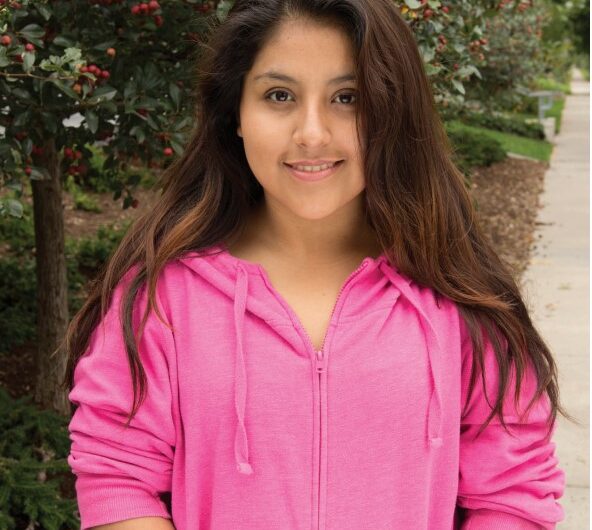
Unit 1 Identity and Language: Identity Through Stories
Time Frame
- 1–2 class periods
Materials
- Green Card Youth Voices: Immigration Stories from a Minneapolis High School – Alexandra Irrazabal’s story and video
- Slides
Connections to the 7 Cs of Ethnic Studies
- Cultivate: learning about how Mexican and Latino history, people, and language provide opportunities for identity affirmation and healing
- Celebrate: using Mexican and Latino counter-stories and community narratives through storytelling
Instruction (ICCR)
Day 1 – Ignite: Intro/Warm-Up
Welcome, agenda, announcements, learning target (slide 1)
a. Warm-Up Question: When was the last time you were told a story? What was the story about?
i. Write in a notebook! (2-3 minutes)
ii. Turn to a neighbor and share (2-4 minutes)
iii. Share out to the class; pick a few students to share (2-3 minutes)
Chunk: Understanding Stories
b. Stories as a sense of self + the world around us (slide 2)
i. “To know the past is to know the present. To know the present is to know yourself.” —Jason Reynolds + Ibram X. Kendi (Stamped)
ii. Mental health disclaimer/advisory: “Today’s lesson discusses migration, hardship, identity and experiences from non-dominant communities. Some students may personally connect to these experiences in different ways. Please take care of yourself; participate in ways that feel comfortable.”
c. Vocabulary + examples of stories (slide 3)
i. Vocabulary: Stories
-
-
- What is your definition of a story? Write it down! (Give students 2 minutes to think and write.)
- Definition: an account of past events in someone’s life or in the evolution of something.
a. Does your definition match up with the definition on the board? (Call on some students to share.) - Let’s make a definition together. (Find commonalities within the definitions and come up with a definition as a class; use that for their notes, if taking.)
-
ii. Vocabulary: Oral Storytelling (slide 4, same header as “b”)
-
-
-
- the collection and study of historical information using sound recordings of interviews with people having personal knowledge of past events
a. What do you think makes this different from written stories? (Have students share with a partner, then walk around the room asking groups to share with you. Return to front of class and share what you heard + any additional input. Also a good time to share something a shyer, quieter student said and give them their flowers.)
- the collection and study of historical information using sound recordings of interviews with people having personal knowledge of past events
-
-
d. Keeping stories and language alive: Dichos (source 1, source 2, source 3) y corridos (slide 5)
i. Dichos have been used in Mexican and Latino communities for centuries.
-
-
- They provide a form of expression or advice for all kinds of situations
- Example: “el que se lo guarda para alrato, se lo come el gato.” → translates to: If you save it for later, there’s no guarantee it’ll be there.”
- Ask students to shout out “sayings” used in their families (not on slide).
a. If time allows, research some common dichos or sayings and post them around the room. Students can have a gallery walk, noting some of the sayings or dichos their families might use. Create a table on a graphic organizer or model drawing one out for students with one saying they’ve heard before, one they’ve never seen, and one they found interesting.
-
ii. Slide 5: w/ evidence of study (source 1) (ask student to read aloud for class)
-
-
- The sharing of stories and narratives, dichos (sayings) and consejos (advice) is a prominent experience among families in Mexico as well as among immigrant Mexican families in the United States. An opportunity for entertainment and enjoyment, the retelling of family stories and folktales also serves to build family bonds, share cultural values, and construct identity. The sharing of narratives, particularly narratives of poverty and struggle, is associated with resiliency and empowerment, serving to support parents in their interactions with school and advocacy for their children (Delgado-Gaitan, 2005).
-
iii. Slide 6: Corridos defined
-
-
- a ballad in a traditional Mexican style, typically having lyrics that narrate a historical event.
a. Ask students: Can you think of a song that means something to you or resonates with how you feel or think?
i. Ask students to share out. - Slide 7: Corridos have been used since the Mexican Revolution, and regained popularity during the colonization of what is now the Mexican-American border (source 1) and additional southern US lands.
- Corridos were mostly a male-dominated genre, but women have since created subgenres of their own, such as coquette corridos.
a. For deeper diving or more time: check out Belinda’s music in “300 Noches” or “Cactus” or even Eydrey’s “X Ti” (both singers talk about women’s perspectives in relationships, gender, and feminist themes.)
- a ballad in a traditional Mexican style, typically having lyrics that narrate a historical event.
-
iv. Slide 8: Popular corridos then and now
-
-
-
- (missing image) The legend and life of Gregorio Cortez, who bravely fought against American Texas Rangers for the independence of Mexico and Mexican peoples. (source to listen to)
- Slide 9: “La Jaula de Oro” by Los Tigres del Norte (source to video)
a. Explains that the “American” dream is not what it seems, and one ends up feeling more and more isolated from their culture and people while living in America.
-
-
e. Review: “To know the past is to know the present. To know the present is to know yourself.” (slide 10)
i. Latin American countries and people of all identities, backgrounds, and perspectives have been telling their stories for centuries through dichos, consejos, corridos, and more.
ii. Sometimes these stories show us hardship, but they can also show us resilience.
iii. As a dicho says: “No hay mal que por bien no venga” → “Good can always come out of bad/hard/difficult things.”
iv. Close out: What resonated with you the most today? (Feel free to do an exit ticket, pair/share, or even a whipshare large group discussion.)
Day 2 – Chew: How Can Stories Teach Us About Ourselves and the World Around Us? (slide 11)
f. Review concepts from yesterday: “To know the past is to know the present. To know the present is to know yourself.”
i. Latin American countries and people of all identities, backgrounds, and perspectives have been telling their stories for centuries through dichos, consejos, corridos, and more.
ii. Sometimes these stories show us hardship, but it can also show us resilience.
iii. As a dicho says: “No hay mal que por bien no venga” → “Good can always come out of bad/hard/difficult things.”
iv. Warm-up: What stories did you share with your family or friends between yesterday and today?
g. Class work time: instructions for students > “Today you will learn a story about a girl and the perspective and stories she carries with her.”
i. On your own, read + annotate the GCV story of Alexandra Irrazabal.
ii. Circle words you do not know.
iii. Underline phrases that describe who Alexandra is—what she enjoys, her favorite things, etc.
iv. Highlight words/phrases that demonstrate the world around Alexandra.
Review: With a partner, share your annotations + work on reflection questions together
v. Partner Discussion Questions (record or walk around during this)
-
- Describe Alexandra or the world she experienced as you read her story.
- What do all the forms of storytelling today share?
- In what ways do all the forms of storytelling differ?
- Why is it important to hear stories or worldviews like Alexandra’s?
- What can people learn from listening to various forms of storytelling?
Optional: Homework
- Students will be assigned to record an oral history and jot notes as the story is told.
i. The story is about the first time their parents or guardian met them. Students will interview parents or guardians about the first time they met (birth, adoption, etc.).
a. Questions:
-
-
- What was it like leading up to the “meet-up”?
- What was the weather like?
- How were you feeling?
- What was I like?
- And more! There are so many other questions to further deepen understanding, and these can be specific to the course, context, or even school community.
-
Resource List
- “Dichos, Nuggets of Wisdom” www.texasstandard.org/stories/dichos-nuggets-of-wisdom
- “Dichos y Refranes: A Saying For Every Occasion” www.mexperience.com/a-saying-for-every-occasion
- “25 refranes mexicanos que necesitas en tu vida” www.poliglota.org/post/refranes-mexicanos
- “Storytelling in Mexican Homes: Connections Between Oral and Literacy Practices” https://pmc.ncbi.nlm.nih.gov/articles/PMC3614910
- “The Corrido: A Cultural Ballad of the Mexican-American Experience” www.tshaonline.org/handbook/entries/corridos
- “Américo Paredes, a Mexican-American Hero” www.marfapublicradio.org/podcast/rambling-boy/2013-04-29/americo-paredes-a-mexican-american-hero
- “La Jaula de Oro” by Los Tigres del Norte https://www.youtube.com/watch?v=0jeBzqS_6WE
- Liberated Ethnic Studies Model Curriculum Values and Principles (7 Cs) https://drive.google.com/file/d/1cGOs7rsY9wT2qI-yIQh5dye8snRjGYxr/view
Unit 2 Resistance and Resilience – Art as Tool of Resistance
Time Frame
- 1–2 class periods
Materials
- Green Card Entrepreneur Voices – Dario Meija’s story
- Highlighters
- Pens/Pencils
- Slides
Connections to the 7 Cs of Ethnic Studies
- Challenge: imperialist/colonial hegemonic beliefs and practices on ideological, institutional, interpersonal, and internalized levels
- Critique: empire, white supremacy, anti-Blackness, anti-Indigeneity, racism, xenophobia, patriarchy, cisheteropatriarchy, capitalism, ableism, anthropocentrism, and other forms of power and oppression at the intersections of our society
Instruction
Day 1- Ignite: Intro/Warm-Up
Welcome, agenda, announcements, learning target (slide 1)
a. Warm-up Q: When was a time you overcame a fear or hardship?
-
- Turn to a neighbor + share (2-4 minutes)
- Share out to the class; pick a few students to share (2-3 minutes)
b. Mental health: Today’s lesson discusses racism and experiences of exclusion within Latine communities. Some may personally connect to these experiences in different ways. Please take care of yourself; participate in ways that feel comfortable and respectful.
Chunk: Resistance and Resilience—Latinos Are NOT a Monolith
c. Vocabulary (slide 2)
i. Vocabulary: Monolithic Thinking
-
-
- “the tendency to view cultures, experiences, and people from a single perspective”
- Oftentimes, people believe that all Latino/a/x people have the same culture, experiences, traditions or beliefs. But from country to country, and even within countries, Latino/a/x people are so different!
-
ii. Vocabulary: Colorism
-
-
- “prejudice or discrimination against individuals with a dark skin tone, typically among people of the same ethnic or racial group”
- Colorism is a form of racism, but many people don’t even recognize it as a phenomenon. Many Latin American countries suffer from it.
-
d. Example: Latino/a/x are not a cultural monolithic group, even within one country!
i. Slide 3: Afro-Latinos: people with descendants from Africa
-
-
- Watch: https://www.youtube.com/watch?v=1XmfL62xozI
- As students watch, have them think/answer: Explain how colorism has led to stereotypes and prejudice in Black Mexicans’ experience in Mexico.
- Pick two people to share with the class.
-
ii. Slide 4: Indigenous people: native peoples to the land prior to European colonization
-
-
- Watch: https://www.youtube.com/watch?v=tQ9Uwq5kXY8
- As students watch, have them think/answer: How does colorism impact the experience of indigenous peoples in Mexico?
- Pick two people to share with the class.
-
iii. Puerto Rico is technically a US territory, but its rich cultural history makes it distinct from the rest of the United States. It also was impacted by colonization and slavery, leading to the erasure of many Taino people, those indigenous to the island.
-
-
- Ask students: Let’s make a list of things you think of when you think of Puerto Rico. (Have students shout out their answers and write a list on the board; Bad Bunny is likely to appear on this list.)
- There may be lots of buzz around these ideas, but for many years, Puerto Rico has wanted to establish independence from the US—all the way back to the early 1900s.
- Today, even stars like Bad Bunny are calling attention to the ongoing issues that Puerto Rico faces, like environmental disasters due to climate change, the lasting effects of colonization and slavery, and the economic/social inequalities people face there, despite being a part of the “exceptional” US.
a. Play Bad Bunny’s “El Apagon – Aqui Vive Gente.” (Disclaimer: It does have swearing in Spanish, and maybe some explicit dancing. Watch to see what scenes are most appropriate for students prior to showing it.)
-
iv. Slide 5: Art as a form of resistance and resilience
-
- Places all around Latin America have resistance movements against colonization, imperialism, environmentalism, and more—many of these movements having solidarity with one another!
a. Ask students: How did Bad Bunny use art to call attention to what happens in Puerto Rico? (This could be your exit ticket, after which you continue with the next part tomorrow.) - Dance, music, attire, culinary arts, and more!
- “Notice how many of these experiences of resistance and resilience come from Black/African or Indigenous cultures.”
- Student work: Take a moment to look up a community concern in a Latin American country.
a. Write the concern.
b. Write about a group working to address concern.
c. Question: How are they using art or another form of emotional expression to further their movement?
- Places all around Latin America have resistance movements against colonization, imperialism, environmentalism, and more—many of these movements having solidarity with one another!
v. Recap: Latino/a/x are not a monolithic group, even within one country! (slide 6)
-
- Even within Mexico, people come from all sorts of different racial and even cultural backgrounds. (Break text, new paragraph/line.) Now imagine we expand this map by thousands of more miles! (Insert map of Central and South America, including islands in Caribbean.)
Day 2 – Chew: Resistance and Resilience in our identities and intersectionality (slide 6)
e. Class work time instructions
- “So what happens when you have many identities—what do we do to honor all of them?”
f. Slide 7: Part 1: Pick a Partner
i. Read the story of Dario Meija (have them printed).
ii. Annotate Dario’s story.
-
-
- Circle words you do not know.
- Highlight sections where Dario shares parts of his story that were hard/difficult for either him or his family.
- Underline sections where Dario shares parts of his story that honor his identities or bring him joy.
- Star sections that demonstrate identities (gender, culture, language, race, etc.).
-
g. Slide 8: Part 2: World café
i. Assign five students to “host” at five table groups; pairs are split and asked to go to a table, then go to a new table every 7-9 minutes.
-
-
- Table one question: What annotation stuck out to you—why did it impact you?
- Table two question: What are some ways Dario finds joy in his Ecuadorian identity?
- Table three question: How does Dario’s cultural and racial identity impact his work?
- Table four question: Why does Dario share his story?
- Table five question: In what ways does Dario demonstrate resilience?
-
Review: Large Group Whipshare Discussion (or can expand it, if time allows) (slide 9)
h. What can resistance and resilience look like? (Use context from any material today or the conversations had during the world café activity.)
Multilingual and ELL Supports
- Provide English sentence stems to help students contribute to the conversation about colorism, stereotypes, and prejudices.
- Enable captions on video (in English and/or home language).
- Allow students to think about their answers by writing them in their home language first prior to teacher questions during the lesson (chunk), and while sharing annotations and reflection questions with a partner.
- Allow students to read Dario’s story in their home language.
- Allow students to annotate in their home language.
Vocabulary and Definitions
- Cultural monolith: a culture that follows a single perspective, experience, or person
- Colorism: preferential treatment of people of the same race based on the lightness of their skin tone
- Stereotype: a widely held but fixed and oversimplified image or idea of a particular type of person or thing
- Prejudice: an unfair/unreasonable opinion, attitude, or emotion toward a person or group that is not based on reason, fact, or actual experience
- Discrimination: unfair or unequal treatment of people based on personal identities like race, gender, sexuality, religion, age, ability, class, and more
- Racism: a form of discrimination against someone’s race through the acceptance of negative stereotypes and emotion; can lead to violence
- Resistance: defining oneself against or challenging dominant structures within society
- Resilience: the ability of people or communities to adapt, withstand, or recover from difficult situations; best practiced when it is done in community or collectively rather than individually
Resource List
-
- Contextual resources for further learning on topics of colonization in Latin America https://latino.si.edu/learn/latino-history-and-culture/latino-history/early-latino-history, https://timemaps.com/civilizations/latin-america-the-colonial-era
- Contextual resources for further learning on the Spanish Caste system www.indigenousmexico.org/articles/understanding-the-mexican-casta-system-a-historical-and-cultural-perspective
- Contextual resources for further learning on anti-Blackness in Latin America https://bookshop.org/p/books/racial-innocence-unmasking-latino-anti-black-bias-and-the-struggle-for-equality-tanya-kater-hern-ndez/8232518903b7c4be?ean=9780807020135&next=t&, https://www.abfe.org/blog/confronting-colorism-and-anti-blackness-latinx-community
- Contextual resources for indigenous erasure in Latin America www.oah.org/process/arena-indigenous-caribbean www.researchgate.net/publication/393269447_Latin_American_Mestizaje_A_Tool_to_Erase_the_Indigenous
- “Diversity Matters: Dismantling Monolithic Thinking to Create an Inclusive Work Environment” www.culture-principles.com/diversity-matters-dismantling-monolithic-thinking-to-create-an-inclusive-work-environment
- “Resistencia Afroamericana: La Historia de Yanga” www.youtube.com/watch?v=FIqLzOtzFp4
- Further learning for capoeira, a Brazilian martial art/dance form www.upr.org/arts-and-culture/2016-08-30/roots-of-brazil-the-martial-art-form-capoeira-is-preserving-history-and-tradition
- Further learning for mole https://laroussecocina.mx/palabra/mole
www.gob.mx/inpi/articulos/conoce-la-maravillosa-historia-del-mole
- “Colombia: Top Local Music That Reflects the South American Country’s Culture and Tradition” www.latinpost.com/articles/154478/20220315/colombia-top-local-music-reflects-south-american-culture-tradition.htm
- “‘If You Is White, You’s Alright. . . .’ Stories About Colorism in America” https://openscholarship.wustl.edu/cgi/viewcontent.cgi?article=1547&context=law_globalstudies
- Dictionary definition, “racism, bias, and discrimination” www.apa.org/topics/racism-bias-discrimination
- Liberated Ethnic Studies Model Curriculum Values and Principles (7 Cs) https://drive.google.com/file/d/1cGOs7rsY9wT2qI-yIQh5dye8snRjGYxr/view
Unit 1: Identity and Language – Identity Through Stories
Time Frame
- 1–2 class periods
Materials
- Chromebooks
- Slides
- Green Card Youth Voices: Immigration Stories from a Minneapolis High School – Alexandra Irrazabal’s story and video
- Highlighters
- Pen/Pencils
- Posters / Wall Sticky Notes
- Markers
Connections to the 7 Cs of Ethnic Studies
- Celebrate: and honor Native People/s of the land and Communities of Color by providing a space to share their stories of struggle and resistance, along with their intellectual and cultural wealth
- Center: and place high value on pre-colonial, ancestral, indigenous, diasporic, familial, and marginalized knowledge
Instruction (ICCR)
Day 1 – Ignite: Intro/Warm-Up
Welcome, agenda, announcements, learning target (slide 1)
a. Warm-Up Question: When was the last time you were told a story? What was the story about?
i. Turn to a neighbor and share (2-4 minutes)
ii. Share out to the class; pick a few students to share (2-3 minutes)
Chunk: Understanding Stories
b. Stories as a sense of self + the world around us (slide 2)
i. “To know the past is to know the present. To know the present is to know yourself.” —Jason Reynolds + Ibram X. Kendi (Stamped)
ii. Mental health disclaimer/advisory: “Today’s lesson discusses migration, hardship, identity and experiences from non-dominant communities. Some students may personally connect to these experiences in different ways. Please take care of yourself; participate in ways that feel comfortable.”
c. Vocabulary + examples of stories (slide 3)
i. Vocabulary: Oral Storytelling
-
-
- What is your definition of oral storytelling? Write down what you think the phrase means! (Give students two minutes to think and write.)
a. Does your definition match up with the definition on the board? (Call on some students to read the definition and then others to share.) - Definition: the collection and study of historical information using sound recordings of interviews with people having personal knowledge of past events
- Let’s make a definition together. (Find commonalities within the definitions and come up with a definition as a class; use that for their notes, if taking.)
- What is your definition of oral storytelling? Write down what you think the phrase means! (Give students two minutes to think and write.)
-
d. Keeping stories and language alive: Dichos y corridos (slide 4)
i. Dichos have been used in Mexican and Latino communities for centuries.
-
-
- They provide a form of expression or advice for all kinds of situations
- Example: “El que se lo guarda para alrato, se lo come el gato.” → translates to: “If you save it for later, there’s no guarantee it’ll be there.”
- Ask students to shout out “sayings” used in their families (not on slide).
- Make a list of all the dichos/sayings → What “themes” do you notice, or what kind of advice do they share? Could we group them into those themes or types of advice?
-
ii. Slide 5: w/ evidence of study (ask student to read aloud for class)
-
- The sharing of stories and narratives, dichos (sayings) and consejos (advice) is a prominent experience among families in Mexico as well as among immigrant Mexican families in the United States. An opportunity for entertainment and enjoyment, the retelling of family stories and folktales also serves to build family bonds, share cultural values, and construct identity. The sharing of narratives, particularly narratives of poverty and struggle, is associated with resiliency and empowerment, serving to support parents in their interactions with school and advocacy for their children (Delgado-Gaitan, 2005).
iii. Slide 6: Corridos defined
-
- a ballad in a traditional Mexican style, typically having lyrics that narrate a historical event.
- Slide 7: Corridos have been used since the Mexican Revolution, and regained popularity during the colonization of what is now the Mexican-American border and additional southern US lands.
- Corridos were mostly a male-dominated genre, but women have since created subgenres of their own, such as coquette corridos.
- Check out or add artist Belinda’s song “300 Noches” or “Cactus,” or even Eydrey’s “X Ti” (both singers talk about women’s perspectives in relationships, gender, and feminist themes).
a. Write down what you notice from the beat, melody, and even undertones in the sound. Think about what comes across as “feminine.” Next you’ll compare it to “traditional” corridos made by men.
iv. Slide 8: Popular corridos then and now
-
- The legend and life of Gregorio Cortez, who bravely fought against American Texas Rangers for the independence of Mexico and Mexican peoples.
- Slide 9: “La Jaula de Oro” by Los Tigres del Norte
a. Explains that the “American” dream is not what it seems, and one ends up feeling more and more isolated from their culture and people while living in America. - Ask students: What do these corridos have in common with the music from the women artists? What is different about them? Why is it important to have all types of storytellers tell stories through music like corridos?
v. Student quick work: Ask students to find a song that tells a story about a population of people.
-
- Instructions (slide 10):
a. Open Chromebooks.
b. Find a popular contemporary song that tells a story about a population of people, or tells a historical story (add a six-minute timer).
- Instructions (slide 10):
e. Review: “To know the past is to know the present. To know the present is to know yourself.” (slide 11)
-
- “Latin American countries have been telling their stories for centuries through dichos, consejos, corridos and more.
- Sometimes these stories show us hardship, but it can also show us resilience
- As a dicho says: “No hay mal que por bien no venga” → Good can always come out of bad/hard/difficult”
Day 2 – Chew: How can stories teach us about ourselves and the world around us? (slide 12)
f. Class work time: instructions for students
-
- On your own, read + annotate the GCV story of Alexandra Irrazabal.
- Circle words you do not know.
- Underline phrases that describe who Alexandra is—what she enjoys, her favorite things, etc.
- Highlight words/phrases that demonstrate the world around Alexandra.
g. Poster gallery: Instructions
-
- Write one of the questions below on each poster.
- Groups of three to six students spend 5 minutes on each poster.
- They can add to other’s thoughts, ask questions about other’s thoughts, add their own answer to the question posted, etc.
- Student groups present their poster once full rotation is done, sharing what’s been written.
- Gallery questions
-
- Why is it important to share stories of experience?
- What do all the stories heard or read today have in common?
- How do stories shape the way we think?
- Why is it important to highlight stories from non-dominant communities?
- Why is it important to acknowledge different forms of storytelling?
- What do we learn from stories?
Review (Exit Ticket)
- How did today’s lesson deepen your understanding of storytelling?
- If you could tell a story about your community, what would it be?
Multilingual and ELL Supports
- Allow students to read Alexandra’s story in home language
- Allow students to annotate in home language
- Groups can be home language groups or mixed language groups
- Provide English sentence stems to help students contribute to the conversation during the poster gallery activity
- Allow students to think about their answers by writing it in their home language first prior to gathering in a group
Vocabulary and Definitions
- Oral storytelling: the practice of passing down history, values, and traditions through spoken words and performance rather than writing
- Dichos: short, popular sayings or proverbs in Spanish-speaking cultures that offer folk wisdom or life lessons
- Corridos: traditional Mexican narrative songs or ballads that tell stories of history, social issues, or the lives of everyday heroes
- Consejos: helpful pieces of advice or cultural wisdom shared by elders to guide younger generations in making good choices
- Narratives: the specific stories or accounts of events that help people explain their experiences and how they see the world
- Non-dominant communities: groups of people who have historically had less social, political, or economic power compared to the largest or most influential group in a society
Resource List
- “Dichos, Nuggets of Wisdom” www.texasstandard.org/stories/dichos-nuggets-of-wisdom
- “Dichos y Refranes: A Saying For Every Occasion” www.mexperience.com/a-saying-for-every-occasion
- “25 refranes mexicanos que necesitas en tu vida” www.poliglota.org/post/refranes-mexicanos
- “Storytelling in Mexican Homes: Connections Between Oral and Literacy Practices” https://pmc.ncbi.nlm.nih.gov/articles/PMC3614910
- “The Corrido: A Cultural Ballad of the Mexican-American Experience” www.tshaonline.org/handbook/entries/corridos
- “Américo Paredes, a Mexican-American Hero” www.marfapublicradio.org/podcast/rambling-boy/2013-04-29/americo-paredes-a-mexican-american-hero
- “La Jaula de Oro” by Los Tigres del Norte www.youtube.com/watch?v=0jeBzqS_6WE
- “Storytelling and Cultural Traditions” https://education.nationalgeographic.org/resource/storytelling-and-cultural-traditions
- “Dichos/Sayings” https://usldhrecovery.uh.edu/exhibits/show/the-ramona-gonzalez-papers/dichos
- “Corridos: Stories Told Through Song” https://www.nps.gov/articles/corridos-stories-told-through-song.htm
- Dictionary definition, “narrative” https://dictionary.cambridge.org/us/dictionary/english/narrative
- Liberated Ethnic Studies Model Curriculum Values and Principles (7 Cs) https://drive.google.com/file/d/1cGOs7rsY9wT2qI-yIQh5dye8snRjGYxr/view
Unit 3: Healing and Future Building – Hmong Healing and Future Building
Time Frame
-
2 class periods
Materials
Connections to the 7 Cs of Ethnic Studies
-
Cultivate: using traditional Hmong arts as an opportunity for identity affirmation and healing
-
Conceptualize: using Hmong arts as a tool for visioning, futurisms, world-building, hope, healing, and collective possibilities
Instructions
Important: Please give the class a general trauma warning and create a safe space for the class before beginning the lesson. Today’s class will explore how people use art and music to process hard times and heal. Some of our topics will touch on war, leaving home, and intergenerational trauma, the stress or sadness that families carry across generations, and may trigger certain feelings. Please remind students to be respectful of one another, provide space as needed, and allow students to skip or pass on discussions as needed. Also, remind students to reach out to their mental health providers and tell them these topics were brought up and discussed in class, and made students feel a certain way. Use your best professional judgment to warn the class.
Ignite: Sound Challenge
-
Play a short sound clip of either the qeej or the raj without showing the instrument (instrument slide).
-
Ask the class: If this sound were a person talking, what emotions might they be feeling?
-
Sentence Starter: The sound feels . . .
-
-
Show an image of the instrument. Explain to the class what this instrument is.
Turn and Talk
What song do you listen to when you are sad or down? Why does music work better than just talking to a friend?
Chunk: Hmong Musical Instruments
-
Watch an excerpt of Among Mountains, from 29:00 to 43:00.
-
Neng Thao explains the instruments and their connections to the Hmong language, along with how music is an extension of the language and is often used for courting.
-
Explain how the instruments mimic the tones of words when they are played. The sounds are like singing a message to express one’s feelings, singing to a friend, or singing to one’s ancestors. Have students try to hum the tone of their own name.
-
Clearly explain to students how music allows for expression, especially feelings. Traditionally, it is a cultural taboo to openly talk and share feelings and emotions, especially while courting. Music allows individuals to express their feelings of love, happiness, or sadness to one another.
Turn and Talk
Think about a song you put on when you are down. Why does hearing this song feel safer or more comforting than talking with a friend?
-
Sentence Starter: When I am overwhelmed, I like to listen to . . .
Chunk: Steve Thao
Watch the “Steve Thao” video from Green Card Entrepreneur Voices.
Group Task
-
Watch: Watch the video together.
-
Discuss: How did art help Hmong to express their feelings? How can art help Hmong understand their family’s history? How can art help Hmong heal from their past?
-
Analyze: Thao said, “Art is a way for us to tell our own stories, rather than having others tell them for us.” What does he mean by this? How can you use art to tell your story?
-
How do you express your feelings?
-
How can you use art to express your feelings?
-
Chew: Paj Ntaub Artwork
Introduce traditional Hmong paj ntaub, which is often used to tell stories, especially through story cloths. Share how story cloths started in the refugee camps as a way for Hmong to use their talent to make money. They would make cloth by hand and create story cloths of their journey, history, and experiences. Show examples of story cloths and point out specific symbols and what they represent. (See Flowery Cloth link below.)
Mini-Story Cloth Assignment
Create a three-panel story cloth template.
-
Template design: three squares side by side by side, with a border consisting of Hmong symbols (mountains and/or snails)
-
Students will draw in each square.
-
Square 1: Draw an image of a challenge you faced.
-
Square 2: Draw something that helped you to feel better or heal (family, music, art, etc.).
-
Square 3: Draw your future hopes for yourself.
-
-
-
Students will also write three sentences about their images, one for each square.
-
My art shows _________.
-
It helps me feel ______ because _____.
-
__________ gives me hope for the future.
-
Review: 3-2-1 Exit Ticket
On a slip of paper (regular notebook paper or sticky notes) or a digital form, students must write and turn in:
-
Three things they learned today
-
Two symbols that can be found on a Hmong story cloth
-
One way art can help heal
Multilingual and ELL Support
-
Provide a sentence stem for reflection:
-
Art can serve to help with . . .
-
Art can help heal . . .
-
Art allows me to understand…
-
I express myself by . . .
-
When I feel _______, I listen to . . .
-
Vocabulary and Definitions
-
Paj ntaub: traditional Hmong art that is made by a needle stitching onto a fabric cloth
-
Art: something you make using imagination to share ideas and feelings, to make something beautiful, or to show and tell how you see the world
-
Healing: the process of getting better, stronger, or whole again after you have been hurt, in either your body or feelings
-
Hope: the belief that something good can happen
-
Symbol: a picture that stands for a big idea
Resource List
-
Hmong Instruments www.learnabouthmong.org/default_active_page_id=31.html
-
Paj Ntaub https://learnuake.org/articles/hmong-culture/embroidery/
-
Flowery Cloth https://drive.google.com/file/d/1xbPy-QN1b9Oq90H28k_mWvihBg3xabvG/view
-
Among Mountains video www.youtube.com/watch?v=VpT5bHrezxE
-
Green Card Entrepreneur Voices – Steve Thao’s video
-
Liberated Ethnic Studies Model Curriculum Values and Principles (7 Cs) https://drive.google.com/file/d/1cGOs7rsY9wT2qI-yIQh5dye8snRjGYxr/view
-
“Birdsong: the dying whistled language of Hmong in northern Laos” video – www.youtube.com/watch?v=_KIYwCieaMs
Unit 3: Healing and Future Building – The Gadaa System of Oromo Governance
Time Frame
-
1–2 class periods
Materials
-
Green Card Voices – Mikyas Woldemichael’s video
-
Appendix: Student Handouts
Connections to the 7 Cs of Ethnic Studies
-
Center: centering knowledge from Oromo community, elders, families, and lived experiences through the Gadaa system
-
Conceptualize: visioning, futurisms, world-building, hope, healing, and collective possibilities for Oromo/Ethiopian youth
Instructions
Day 1 Warm-Up Question:
-
Think about someone you look up to as a leader. What makes them a good leader? Write two to three sentences or draw a picture.
Ignite
-
Have students Turn and Talk with a partner, answering the question below:
-
What is a goal or hope that you have for the future?
Chunk 1
-
Introduce “What Is the Gadaa System?” to students and review (see attachment/appendix 1).
-
Have students complete the Ten Stages of the Gadaa System graphic organizer (see attachment/appendix 2).
Chunk 2
-
Have students watch Mikyas Woldemichael’s video.
Exit Ticket
-
Look at the Gadaa system stages. Which stage are you currently in? Write the stage’s name and one responsibility it entails.
– I am currently in the ___ stage. One responsibility of this stage is ___.
Day 2 Warm-Up Question
-
Think about Mikyas’s story. How did soccer help him heal and build a future? Write one to two sentences using what you remember from the video.
Chew
-
After watching the video, have students complete a short writing prompt answering the following questions:
-
Mikyas was thirty-two years old. Which stage in the Gadaa system represents him? How do you think he showed leadership?
-
Do you think soccer was important for Mikyas? How did it provide healing and future opportunities for his community?
-
What kind of leader do you want to be when you reach stage 5, Raaba Doorii (ages 32–40), in the Gadaa system?
Review
-
Have students pair-share the following questions:
-
Which stage in the Gadaa system do kids your age fall under?
-
What are some responsibilities and expectations at this stage?
-
How is this similar or different to your own responsibilities and expectations in your culture?
-
Exit Ticket
-
One thing I learned about the Gadaa system is ___. This connects to my own life because ___.
Multilingual and ELL Support
-
Provide visuals (see slides/attachments).
-
Provide graphic organizers as student handouts.
-
Provide sentence stems for written work and verbal share-outs / small group discussions.
Vocabulary and Definitions
-
Gadaa system: traditional political and governance system of the Oromo people
-
Abba Gadaa: the elected leader of the Oromo Gadaa system
-
Qondaala: the fourth stage of the Oromo Gadaa system (ages twenty-four to thirty-two), in which young adults serve as warriors and protectors of the community through rigorous training in combat, sports, and swimming.
-
Abba Duula: the father of war / commander in the Oromo Gadaa system
Resource List
-
-
Dirrib Damisse, 2007 Sirna Gadaa
-
-
The Oromo and the Christian Kingdom of Ethiopia, 1300–1700 by Mohammed Hassen
-
Partisan Discourse and Authentic History by Tabor Wami
-
Liberated Ethnic Studies Model Curriculum Values and Principles (7 Cs) https://drive.google.com/file/d/1cGOs7rsY9wT2qI-yIQh5dye8snRjGYxr/view
Appendix 1: What Is the Gadaa System? (Student Handout)
What Is the Gadaa System?
Think of Gadaa as a “shadow”—it follows the Oromo people everywhere and covers every part of their lives. It is a democracy where power is shared, and everyone has a role based on their age. It is so unique that global experts and UNESCO recognize it as a masterpiece of human culture.
The Five Leaders (The Government)
The Gadaa system is organized into federations, each with a leader who has a specific job, similar to a president and their cabinet.
-
Abbaa Gadaa: the top leader (like a prime minister), who oversees the whole nation
-
Abbaa Duulaa: the head of defense, who looks after safety and the military
-
Abbaa Sa’aa: the head of the economy, who manages natural resources like coffee and farming
-
Abbaa Caffe: the chairman of Parliament, who helps make the laws
-
Abbaa Seeraa: the head of justice, who makes sure everyone follows the law
The Ten Stages of Life in the Gadaa System
Stage 1: Dabballee (Ages 0–8)
Children at this age are considered “pure” and close to God because they have no sin. Their main job is to learn through play, riddles, and proverbs. This strengthens their minds and helps them learn about their family and nature.
Stage 2: Ittimakoo (Ages 8–16)
In this stage, kids learn traditional games, dances, and songs. They start learning their family history (genealogy) and how to count. They focus on developing good character, such as patience and kindness.
Stage 3: Fools / Great Gaammee (Ages 16–24)
Think of this as the “college” phase. Young people learn how to farm, ride horses, and take care of cattle. They also begin to practice military skills and celebrate their culture through song.
Stage 4: Qondaala (Ages 24–32)
This is the defense stage. These young adults train hard in sports, swimming, and combat (like using spears and shields). Their main responsibility is to protect the Oromo people and their resources from enemies.
Stage 5: Raaba Doorii (Ages 32–40)
This is the stage where adults train for leadership. They learn about law, history, and how to run a government. They also take on personal responsibilities, like getting married and building a home, to show they can manage a family before they manage a country.
Stage 6: Gadaa / Abbaa Gadaa (Ages 40–48)
This is the ruling stage. After years of training, people are elected to lead. The Abbaa Gadaa is the top leader. They are responsible for the entire nation’s politics and military for an eight-year term.
Stage 7: First Yuuba (Ages 48–56)
After their eight-year term as leaders ends, people move into an advisory role. One highly respected person is chosen as the Abbaa Bokkuu (president) to oversee fair elections and represent the nation at big meetings (like the African Union).
Stage 8 and 9: Second and Third Yuuba (Ages 56–72)
During these stages, the elders are given the title Hayyuu (scholar/expert). Their job is to teach the younger generations about Oromo culture and administration. They also act as peacemakers to help settle arguments.
Stage 10: Fourth Yuuba / Gadaamojjii (Ages 72–80)
These elders are the “professors” of the community. They have a lifetime of knowledge and are highly respected for their wisdom. They spend their time teaching, praying, and improving the lives of their people.
Key Summary
-
The Power of Eight: Each stage lasts exactly eight years.
-
Democratic Transition: Power is always passed to the next group; no one stays in charge forever.
-
Respect for Age: Every age group has a specific, important job that helps the whole community thrive.
Appendix 2: Ten Stages of the Gadaa System (Student Handout)
Complete the following graphic organizer on the ten stages of the Gadaa system.
|
Stage |
Age |
Name |
Draw a picture of the responsibilities that occur in this stage. |
|
1 |
|||
|
2 |
|||
|
3 |
|||
|
4 |
|||
|
5 |
|||
|
6 |
|||
|
7 |
|||
|
8–9 |
|||
|
10 |
Unit 2: Resilience and Resistance – Learning as Resistance: Hend, A Saudi Woman’s Story
Time Frame
-
2 class periods
Materials
-
Green Card Voices – Hend Al-Mansour’s video
-
Picture cards (school, family)
-
Vocabulary and Definitions Handout
Connections to the 7 Cs of Ethnic Studies
-
Challenge: imperialist/colonial hegemonic beliefs and practices on ideological, institutional, interpersonal, and internalized levels
-
Conceptualize: imagine and build new possibilities for post-imperial life that promote collective narratives of transformative resistance, critical hope, and radical healing
Instructions
Day 1 – Understanding Resistance and Hend’s Story
Ignite: Interactive/Interpersonal Activity
Show two visuals:
-
A map of Saudi Arabia.
-
2–3 pictures of Saudi schools, families, and daily life.
Briefly explain that Hend grew up in Saudi Arabia and faced challenges related to education and opportunities for women; as a girl, she was not allowed to go to school.
Ask students:
-
How would you feel if you could not go to school? Why?
-
What opportunities does education give people?
-
Why might education be important for someone’s future?
Turn and Talk
Use sentence starter: “I would feel ___ because ___.” Invite two or three students to share with the class.
Tell the Students:
Today we are going to learn about a woman named Hend Al-Mansour. She was born in Saudi Arabia, a country in the Middle East. When Hend was born in 1960, girls in Saudi Arabia had only just been given the legal right to go to school for the very first time. Her own mother never had that chance; she could not read or write. But Hend’s mother believed so strongly in education that she actually went to school with her daughter to learn how to read and write. Think about a mother going to school with her child so they could both learn together. That is where Hend’s story of resistance begins.
Ask Students:
-
How would you feel if you were not allowed to go to school? Why?
-
What opportunities does education give people?
-
Why might education be especially important for someone who has been told they cannot have it?
Vocabulary Introduction
Distribute Vocabulary and Definitions Handout before watching the video. Review each word:
-
Say the word aloud; students repeat.
-
Read the definition in simple words.
-
Give a real-life example.
-
Students turn and tell a partner what the word means in their own words.
Students should keep the handout on their desks during all activities.
Cultural Background
Saudi Arabia is a country in the Middle East, located on the Arabian Peninsula. It is one of the largest countries in the Arab world and is home to Islam’s two holiest cities: Mecca and Medina. Saudi Arabia has been governed by Islamic law, which has historically shaped rules around gender, education, and public life.
For most of the 20th century, girls in Saudi Arabia were not allowed to attend school. Public education for girls only began in 1960, the same year Hend was born. This means that Hend’s generation was among the very first women in Saudi Arabia to have the legal right to attend school. Her mother’s generation had no such opportunity.
Women in Saudi Arabia were also not allowed to drive until 2018, just a few years ago. For decades, women needed a male guardian’s permission to travel, work, or make major life decisions. These restrictions shaped the lives of millions of women, including Hend.
The abaya is a long, loose robe worn by women in Saudi Arabia and other parts of the Arab world. In Saudi Arabia, women were historically required to wear the abaya in public, along with a face covering called a niqab. Hend’s artwork often depicts women in abayas as a way of telling their stories and honoring their experiences. Arabic is the official language of Saudi Arabia.
The name Hend (هند) is a traditional Arabic name with ancient roots; it was the name of a famous Arab woman warrior. Names in Arab culture often carry deep historical and cultural meaning.
Chunk: Interpretive Activity (Viewing / Listening)
Watch Hend’s video. Tell your students to watch without writing, and just focus on understanding the story.
Pause and ask yes/no questions:
-
Did Hend go to school? (Yes / No)
-
Was education easy for her? (Yes / No)
Pre-teach vocabulary:
-
Resistance
-
Education
-
Opportunity
-
Challenge
-
Choice
Draw the graphic organizer chart on the whiteboard as seen below, then fill it out using words or short phrases. Complete one example together as a class before students work independently.
|
Challenge |
Action |
Outcome |
Exit Ticket
Prompts
-
One challenge Hend faced was . . .
-
One thing I learned about Saudi culture or education was . . .
Day 2 – Resistance Through Learning
Warm-Up Review – Partner Discussion
-
What do you remember about Hend’s story?
-
What challenge did she face?
Chew: Interpersonal Activity (Partner Talk)
Partner Discussion – use evidence from Hend’s story to discuss:
-
What was one problem Hend had?
-
What did she do to solve it?
-
Was she brave? Why?
-
What challenges did Hend face?
-
What did she do?
-
How did this change her life?
Sentence Stem
-
Hend was brave because . . .
Education Continuum Activity
Read each statement aloud. Students move to Agree, Unsure or Disagree, then explain their thinking using evidence from the lesson.
Statements:
-
Education can change someone’s life.
-
Learning is a form of resistance.
-
People should have equal access to education.
-
One person can create change in their community.
Review: Presentational Activity (Writing or Drawing)
Option A: Writing
Sentence starters:
-
What challenge did Hend face?
-
How did education help her?
-
What does resistance mean to you?
Option B: Drawing + Sentence
-
Draw a moment showing courage, learning, or resistance.
-
Write two sentences explaining the drawing
Multilingual and ELL Support
-
Visuals and pictures
-
Sentence frames
-
Partner support
-
Oral answers accepted
-
Drawing instead of long writing
-
Pre-teaching key vocabulary
-
Teacher modeling (think-aloud)
Resource List
-
Hend’s latest exhibition https://www.youtube.com/watch?v=K2CIlvvcJEk
-
Hend’s website www.hendalmansour.com
-
Hend’s Instagram www.instagram.com/hendalmansour
-
Short map of Saudi Arabia www.worldatlas.com/maps/saudi-arabia
-
Liberated Ethnic Studies Model Curriculum Values and Principles (7 Cs) https://drive.google.com/file/d/1cGOs7rsY9wT2qI-yIQh5dye8snRjGYxr/view
Vocabulary and Definitions Handout
|
Vocabulary Word |
Definition |
Example |
|
Resistance |
The act of standing up against something you think is wrong, or refusing to give in to unfair power. |
Hend going to school in Egypt when women in Saudi Arabia had no colleges was an act of resistance. |
|
Opportunity |
A chance to do something or achieve something important. |
When women in Saudi Arabia were first allowed to attend school, it was a new opportunity that had never existed before. |
|
Education |
The process of learning new skills, gaining knowledge, and understanding the world. |
Hend’s mother believed education was so important that she went to school alongside her own daughter. |
|
Challenge |
A difficulty or problem that takes effort to overcome. |
Learning a new language in a new country is a challenge. |
|
Brave |
Having the strength to face something difficult or scary, even when you feel nervous or unsure. |
Hend was brave when she left her family to study in Egypt, and again when she left Saudi Arabia for America. |
|
Abaya |
A long, loose robe traditionally worn by women in Saudi Arabia and other parts of the Arab world. In Saudi Arabia, women were historically required to wear an abaya in public. |
Hend’s artwork often shows women in abayas to honor their stories. |
|
Art as Resistance |
Using creative work—painting, drawing, music, writing, or storytelling—to speak out against injustice or share the stories of people whose voices have been silenced. |
Hend uses her paintings to show the world what life was like for women in Saudi Arabia. |
|
Rules/Limits |
Guidelines or boundaries that tell people what they can and cannot do to keep things fair and safe. |
For many years, women in Saudi Arabia faced rules that limited where they could study, work, and travel. These limits affected opportunities available to women like Hend. |
|
Freedom |
The power or right to act, speak, or think however you want without being unfairly held back. |
When Hend was able to study in Egypt and later pursue art in the US, she gained more freedom to make choices about her education, career, and future. |