


الوحدة الثانية: الصمود و المُقاومة
المُدة الزَمنية
حصتان دراسيتان
المواد التَعليمية
-Green Card Voices: Hend’s video: https://youtu.be/zsRmApWg13Y
– المُنظم البياني: التحدي أو القيد —الإجراء أو الفعل —النتيجة أو الفُرصة
-Hend: https://www.hendalmansour.com/women-of-arabia.html
– ورقة المُفردات و التعريفات
الارتباط بمبادئ الدراسات العِرقية
التحدي : مواجَهة الأفكار و المُمارسات الغير عادلة التي نتجت عن الاستعمار و تقوم على السيطرة أو التَمييز سواء ظهرت في المُجتمع أو المؤسسات أو العلاقات بينَ الناس، أو في طريقة تَفكير الافراد.
التصور: التفكير في طُرُق جديدة لبناء مُستقبل أفضل بعدَ آثار الاستعمار، يقوم على التعاون ومواجهة الظُلم ، و الأمل و دعم التَعافي و الشفاء للافراد و المُجتمعات.
( ICCR) – التَعليمات
اليوم الاول : فهم معنى المُقاومة و التَعرُف الى قصة هند
التَمهيد:
إعرض على الطُلاب ما يلي:
يَتضمن درس اليوم نقاشات حولَ القيود المفروضة على الجنس( الجندر)، و الهجرة، و المَرض، و الهوية، و التَغلُب على التَحديات. وَ قَد يَرتبط كُل طالب بهذهِ الموضوعات بطريقة مُختلفة. لذا، شارِك في الانشطة بالطريقة التي تَشعُر معها بالراحة ، و أخبرني إذا كُنتَ بحاجة إلى دَعم أو مُساعَدة.
الكتابة السَريعة
فَكِر في مَوقف سَبَقَ أن شَكَكتَ فيه في أمرٍ ما. قد يكون ذلكَ عندما خالفتَ قاعِدة، أو عندما إتخذتَ مَوقفاً تِجاه شيء رَأيتَ أنهُ غير صحيح أو لَم تَقتَنِع به.
اختر أحد السؤالين التاليين و أجِب عَنه:
1- صِف مَوقفاً شَعرتَ فيهِ أنَّ شيئاً ما كان غير عادل.
2- هل سَبَقَ أن قررتَ القيام بشيء ( مثل إتخاذ مَوقِف، أو التَعبير عَن رأيك، أو اختيار طريقة ارتداء الملابس، أو التَمسُك بِمُعتقدك ، أو الرد على مَوقف مُعين) رغم أنهُ كانَ يُخالف قاعِدة أو عادة، لانكَ أردتَ التَشكيك فيها أو لانكَ لَم تَكُن تؤمن بها؟
توضيح للطُلاب: يُمكن أن تأخذ المُقاومة أشكالاً عديدة، فهيَّ لا تقتصر على الاحتجاج أو مُخالفة القوانين. فقد تتمَثل أيضاً في مواصلة التَعليم، أو التَحدُث باللُغة الأم، أو ارتداء الملابس التقليدية، أو الحفاظ على العادات و التقاليد، أو التعبير عن الأفكار من خلال الفن، أو الدفاع عن الآخرين و التَحدُث من أجلهم.
الجانب الثقافي و التاريخي
تَقع المَملكة العربية السعودية في منطقة الشرق الاوسَط و تَشغل مُعظَم مساحة شُبه الجزيرة العَربية. وهي من أكبر الدول العربية و تَضُم اقدس مدينتين في الإسلام: مكة المُكرَمة و المَدينة المُنورة.
تأثرت الانظمة والقوانين في المملكة بالشريعة الإسلامية على مدى سنوات طويلة. و كان لذلكَ أثَر في بَعض القوانين المُتعلقة بالتعليم و أدوار النساء ، و الحياة العامة.
لَم تَكُن الفتيات في المَملكة يلتحقن بالتعليم العام. و في ذلك العام الذي ولدت فيهِ هند المنصور– 1960بدأت المدارس الحكومية للبنات في إستقبال الطالبات لأول مرة . و لهذا تُعَد هند من أوائل الفتيات في جيلها اللاتي أُتيحَت لهُنَّ فُرصة الالتحاق بالمدرسة ، بينما لم تُتح هذه الفُرصة لوالدتها ، التي لم تتعلم القراءة أو الكتابة .
شَهدت المملكة العربية السعودية خلال العقود الأخيرة العديد من التَغييرات. فعلى سبيل المثال ، في سنة 2018 قد سُمِح للمرأة بقيادة السيارة و كانت بعض الانظمة تفرض قيوداً على سفر المرأة أو عملها ، أو اتخاذ بعض القرارات المُهمة في حياتها. و قَد أثَرَت هذهِ القيود في حياة الكثير من النساء ، و من بينهن هند.
العباءة هي ثوب طويل و فضفاض ترتديه كثير من النساء في المملكة العربية السعودية و في بعض الدول العربية الأخرى. و كانت النساء في المملكة يرتدين العباءة في الاماكن العامة ، و كثيراً ما كُنَّ يرتدين أيضاً النقاب ، و هوَ غطاء للوجه.
تُجسد هند في أعمالها الفنية صور النساء بالعباءة ، لتروي قصصهن و تُبرز تجاربهن و تُكرّمهنَّ من خلال الفن.
اللُغة العربية هيَّ اللُغة الرَسمية في المَملكة العربية السعودية.
أما إسم ( هند) فهو إسم عربي عريق ذو جذور تاريخية قديمة ، و قّد إشتَهَرَتْ بهِ شخصيات نسائية عربية عبرَ التاريخ. و كَثيراً ما تَحمِل الاسماء في الثَقافة العَربية مَعاني تاريخية و ثَقافية عَميقة.
مُقدمة قصيرة:
– المملكة العربية السعودية خلال طفولة هند.
– لماذا سافرت بعض النساء إلى الخارج للحصول على التَعليم؟
– لماذا أصبَحت مصر وجهة تعليمية لبعض العائلات العربية؟
– أمثِلة على التَغييرات أو الإصلاحات المُتَعلِقة بفُرص المَرأة في العالم العَربي.
إعرض للطُلاب:
– خريطة المملكة العربية السعودية.
– خريطة مصر.
– التَسلسُل الزَمَني لِرحلة هند.
مُقدمة المُفردات: وزع وَرَقة المُفردات و التعريفات قبل مُشاهدة فديو هند. راجع كل كلمة معَ الطُلاب، و ناقِش عبارة : ( إربطها بحياتك) والسؤال الذي يدعوا الى التحليل. يجب أن يحتفظ الطُلاب بالورقة على مكاتبهم خلال جميع الانشطة.
كلمات باللُغة العَربية:
عَرِف الطُلاب ببعض الكلمات العربية البسيطة المُرتبطة بالدرس:
– Freedom ( Huriya)- الحُرية
– Dignity ( Karama)- كرامة
– Education (Taelim)- تعليم
– Voice ( Sawt)-صوت
تدربوا على نُطق الكلمات، و ناقِشوا كيفَ تَرتَبط هذهِ المَفاهيم بفكرة المُقاومة السِلمية، و الدِفاع عَن الحقوق، و التَعبير عَن الرَأي.
الاستعداد للمُشاهدة: أخبر الطُلاب أن مُهمتهم أثناء مُشاهدة الفديو هي الاستماع للاجابة عن الاسئلة التالية:
– إلى أي دولة انتقلت هند؟ و لماذا؟
– ما التَحديات التي واجَهتها؟
– كيفَ واجَهَت هذهِ التَحديات أو قاوَمَت هذهِ القيود؟
– ما الفُرَص التي نَتِجَتْ عن هذهِ التَحديات؟
دَليل المُعلم-ألاجابات المُتوَقَعة
إلى أي دول إنتقَلَت هند؟ و لماذا؟
– المَملكة العربية السعودية ( ولدت ونشأت فيها، ودرست في مدرسة للبنات)
– مصر ( درست الطب لمُدة سبع سنوات لأن دراسة الطب لم تَكُن مُتاحة في السعودية آنذاك)
– الولايات المُتحِدة الأمريكية ( سافَرت للعلاج من مَرض السَرطان، ثُم درست الفَن لأنهُ كان شغفها الحقيقي )
ما التحديات التي واجهتها؟ و كيفَ واجهتها أو قاوَمتها؟
– لَم تَكُن هُناك فُرص كافية لتعليم البَنات أو لِدراسة الطب في السعودية.
– سافَرَت إلى مصر للحصول على التَعليم.
– كانَ من المُتوقَع أن تَعمَل طبيبة في الولايات المُتَحِدة، لكنها بعدَ إصابتها بالسرطان وعلاجها قررت أن تتبع شَغَفها و تُصبِح فنانة.
ما الفُرَص التي نَتِجِت عن هذهِ التَحديات؟
أُتيحت لها فُرصَة الَسَفَر، و الحصول على شهادة الطب، و العلاج من السَرطان، و الزواج و تحقيق حلمها بأن تُصبِح فنانة.
أصبَحَت رِسالتها أن تُعطي صوتاً للفنانيين القادمين من الشرق الاوسط، و أن تبرز قوة المرأة، و خاصةً النِساء اللواتي كانَ لَهُنَّ تأثير في طفولتها.
مُشاهدة فيديو هند- المُشاهدة الأولى
أطلُب من الطُلاب مُشاهدة الفديو دونَ كتابة أي مُلاحظات، مع التركيز فقط على فهم قصة هند.
المُشاهدة الثانية:
أعرض الفديو مرة أخرى، ثُم إرسم على السبورة مُنظماً بيانياً كما هوَ موضح أدناه، و أملأهُ بكلمات او عبارات قصيرة. أكمل مثالاً واحداً معَ الطُلاب أولاً، تُمَ دَعهُم يُكملون بقية الجَدول بشكل مُستَقِل.
يُمكنُكَ إيقاف الفيديو عندَ أوقات مُحددة لمُساعدَة الطُلاب على مُتابعة الافكار.
|
الفُرصة أو النتيجة |
الفعل أو المُقاومة |
التحدي أو القيد |
التأمُل: أُطلُب من كُل طالب مُشاركة مثال واحد يتضمن:
– تَحدياً أو قَيدَاً واحِدَاً.
– إجراء أو فعل واجَهَت بها هند هذا التَحدي.
– نتيجة أو فُرصة نتجت عن ذلك؟
بدايات الجُمَل:
– كان أحدى التحديات هوَ————-
– واجهت هند ذلك من خلال ———
– و أدى ذلكَ إلى —————–
مُلاحظة: إذا لم يَذكُر الطُلاب ذلك، فمنَ المُهم توضيح أن إنتقال هند إلى الولايات المُتَحدة أتاحَ لها فُرصة أن تُصبح فنانة. و قد إستخدمت الفن كوسيلة للتعبير عن رَأيها والدفاع عن قضاياها، و لإبراز قوَة المَرأة العربية و دعم الفنانين العَرب.
اليوم الثاني: الفن كصوت للمرأة و التعبير عن قضاياها
مُراجعة سريعة – نقاش معَ شريك
ناقِش معَ زميلك الأسئلة التالية :
– ما التَحدي الذي واجهتهُ هند؟
– ماذا فعلت لمواجهة هذا التَحدي؟
– ما الفُرص التي نتجت عَن اختياراتها؟
– ماذا تَعني المُقاومة في قصة هند؟
مُقدمة : الفن كَوسيلة للمُقاومة – إشرَح للطُلاب
إستخدم الفن عبرَ التاريخ كوسيلة للمُقاومة و التَعبير عن الرأي في ثقافات مُختَلفة. و في المُجتمعات العَربية، يُمكن التعبير عن المُقاومة من خلال:
– الشعر
– القصص السردية- الشفوية
– الموسيقى
– الفنون البَصرية
– التقاليد الثقافية
عندما انتقلت هند إلى الولايات المُتحدة، مَرَتْ بلحظة مُهمة بعدَ تَشخيص إصابتها بالسرطان و تلقيها العلاج. عندها أدركَتْ أنها تُريد أن تُعطي صوتَاً للفنانيين القادِمين من الشرق الاوسط و أن تبرز قوة المرأة و قد أستوحَت ذلكَ من النساء اللواتي كان لَهُنَّ تأثير كبير في طفولتها. بعد ذلك التحقت بكلية الفنون و درست الفن لتُصبح فنانة.
يَعرض الفيديو إحدى اللوحات الفنية من سِلسلة أعمال هند بعنوان ” نساء في الجزيرة العربي” . أعمل معَ زميلك و حاول تفسير الرسالة أو الرسائل التي تَعتَقد أن هذهِ اللوحة تنقلها. كيفَ تُظهر هذهِ اللوحة تَحدياً أو قَيدَاً ، أو شَكل من أشكال المُقاومة، أو فُرصة للتغيير أو النَجاح؟
نَشاط يَختارُهُ الطالب
الخيار الأول- أ : تحليل عمل فني
إختر لوحة فنية من أعمال الفنانة هند المعروفة بعنوان ( نساء في الجزيرة العربية ) المُرفق أدناه. حاول فهم و تفسير التحدي أو القيد، الفعل أو التصرف و فرصة التغيير.
Artwork: https://www.hendalmansour.com/women-of-arabia.html
الخيار الثاني- ب : تكريم المَرأة
إختَر إمرأة من حياتك كانَت مصدر إلهام لك،
الخيار (ب): تكريم امرأة
اختر امرأة من حياتك كانت مصدر إلهام لك، أو واجهت تحديات أو قيودًا، أو اتخذت موقفًا لمواجهة تلك التحديات، أو ساعدت في توفير فرص للآخرين. ارسم صورة لها (يدويًا أو رقميًا)، أو اجمع صورًا تعبّر عنها وعن القيم التي تمثلها
بدايات الجُمَل:
التَحدي أو القيد
– في هذهِ اللَوحة، يظهَر التَحدي أو القَيد من خلال ——————————-
– توحي هذهِ الصورة بأنَ النساء لم يَكُنّ يستطعنَ ———————————
– تُظهِر الفنانة قيدَاً يتمثل في —————————————————
المُقاومة (الفعل/ الإجراء)
– يَتمَثل عمل المُقاومة في —————————————————–
– تواجه المرأة / الشخصية هذا التَحدي من خلال ——————————–
– يُظهِر هذا الجُزء من اللَوحة المُقاومة لأنَهُ ———————————–
النتيجة أو الفُرصة
– و نتيجة لذلك، أتاحَ هذا فُرصةً ل ——————————————–
– و قَد أدى ذلك إلى ——————————————————–
– توحي رسالة اللوحة بأنَ الفُرَص الجديدة تَشمِل ——————————
المُراجعة – بطاقة الخروج
أكمل الجُمل التالية:
– إحدى الطُرُق التي إستَخدَمَت بها هند المُقاومة هيَّ ————————————
– يُمكن أن يكون الفن وسيلة للمُقاومة لأنهُ ———————————————
– في قِصة هند أو أعمالها الفنية، كانت المُقاومة تَعني ——————————–
– و هذا مُهِم لانَهُ ——————————————————————
دَعم الطُلاب مُتعددي اللُغات و مُتعلمي اللُغة الانكليزي
– إستخدم بدايات الجُمل لدعم النِقاشات والكتابة.
– إسمَح بإستخدام التعليقات التوضيحية ( الترجمة ) بلُغَة الطالب في مَقاطع الفيديو.
– أضِف الَطوابِع الزمنية ( أوقات الفيديو ) لمُساعدة الطُلاب في إكمال المُنَظِم البياني.
– إسمح للطُلاب بالمُناقشة بلُغتهُم الام.
– إسمح للطُلاب بالكتابة بلُغتهم الام.
– عندَ الحاجة، أسمح بإستخدام أنشطة إكمال الفراغات اثناء الكِتابة.
قائمة المصادر:
– أحدث معرض فني الهند المَنصور:
https://www.youtube.com/watch?v=K2CIlvvcJEk
– الموقع الالكتروني الهند المَنصور:
– حساب هند المنصور على انستغرام:
www.instagram.com/hendalmansour
– قيم و مبادئ منهج الدراسات العِرقية التَحرري:
https://drive.google.com/file/d/1cGOs7rsY9wT2qI-yIQh5dye8snRjGYxr/view
ورقة المفردات و التعريفات:
|
السؤال التحليلي |
مثال |
التعريف |
المُفردة |
|
هل المُقاومة دائماً مرئية؟ هل السكوت يمكن أن يكون شكل من أشكال المقاومة؟ |
التعبير عن الرأي أو قول الحق. رفض إتباع قواعد غير عادلة. العمل مع ناس آخرين لخلق التغيير.التمسك بهويتك، ثقافتك، أو معتقداتك بقوة رغم الضغط . هند كانت تسعى لإكمال التعليم عندما رفض النظام ذلك. |
المُقاومة هي الوقوف ضد شيء غير عادل، مؤذي أو خطأ حتى إذا كان صعب أو خطر. هو اختيار رفض الظلم وفعل شيء تجاههُ. |
المُقاومة – الفعل |
|
متى يكون التحدي أو الصعوبة فردية و متى تكون مُجتمعية؟ |
عدم القدرة على الالتحاق بمدارس معينة بسبب الجنس. مواجهة صعوبات اللُغة عند الانتقال لبلد آخر. يتوقع المجتمع من الشخص أن يتصرف بسلوك معين بسبب انتمائه لهويةٍ ما. قلة الموارد المالية و المصادر و الفُرَص. عدم وجود جامعات للنساء في المملكة العربية السعودية. |
التحدي أو القيد هو فعل يقيد ما تريد أو ما تحتاج أن تفعلهُ. ممُكن أن يكون قاعدة أو توقع أو موقف يكون بطريقك أو يعرقل مسيرتك. |
التحدي أو القيد |
|
هل التجارب الصعبة يمكن أن تؤدي إلى فُرص غير مُتَوقعة؟ |
-الذهاب إلى جامعة في بلد جديد ينتج عنهُ تعلُم مهارات جديدة. -التعبير عن الرأي يخلق التغيير أو إيصال الصوت. -كسب الثقة من خلال التغلُب على الصعوبات. -تجربة شيء جديد قد تؤدي إلى اكتشاف شغف جديد. -أدى انتقال هند إلى مصر حصولها على شهادة الطب، وكان ذلك بداية الطريق الذي قادها في النهاية إلى حياة مليئة بالفن. |
النتائج و الفُرص هوَ ما يَحصل نتيجة افعالك. و قد تَمنَحُك فُرصة جديدة أو تفتح أمامك إمكانيات جديدة. |
النتائج و الفُرص المُتاحة |
|
من يَملِك حُرية إختيار المكان الذي يُهاجِر إليه، و من لايَملِك هذهِ الحُرية؟ |
-الهجرة من بلد إلى بلد آخر من أجل الدراسة أو العَمَل. -الانتقال إلى مدينة جديدة للحصول على فُرصٍ أفضل. -مُغادرة الوطن الام بحثاً عن الامان. -هاجرت هند من المملكة العربية السعودية إلى مصر، ثُم إنتقلَت إلى الولايات المُتحدة الأمريكية |
تعني الهجرة الانتقال من مكان إلى مكان آخر، غالباً للحصول على فُرَص أفضل والحصول على الأمان و بدأ حياة جديدة. |
الهجرة |
|
مَن يضع هذهِ الانظمة و من يستفيد من إستمرارها؟ |
القوانين في المَملكة العربية السعودية تمنع النساء من القيادة ( قيادة السيارات)، أو الالتحاق بصفوف الدراسة. |
هوَ مَجموعة من القَواعِد و القوانين التي تَحِد بِشكل غير عادِل من حقوق و فُرَص فئات مُعينة من الناس. |
القَمع المُمنهج – نظام القَمع |
|
هل يَستطيع الفَن أن يُغير النظام؟ أم أنَّ دَورَهُ يَقتَصِر على توثيق الواقِع أو يكون شاهِدَاً عليه فقط؟ |
تَمنَح سِلسِلَة ” نساء في الجزيرة العربية” للفنانة هِند صَوتَاً للنساء العَربيات اللاتي لَمْ يَسمع العالَم قِصَصهِن. |
هوَ استخدام العمل الإبداعي مثل الرسم أو الموسيقى أو الكتابة أو سرد القصص ، للتعبير عن الظُلم أو لإيصال قصص الأشخاص الذين لَمْ تُسمع أصواتَهُمْ. |
الفن كأداة مُقاومة |
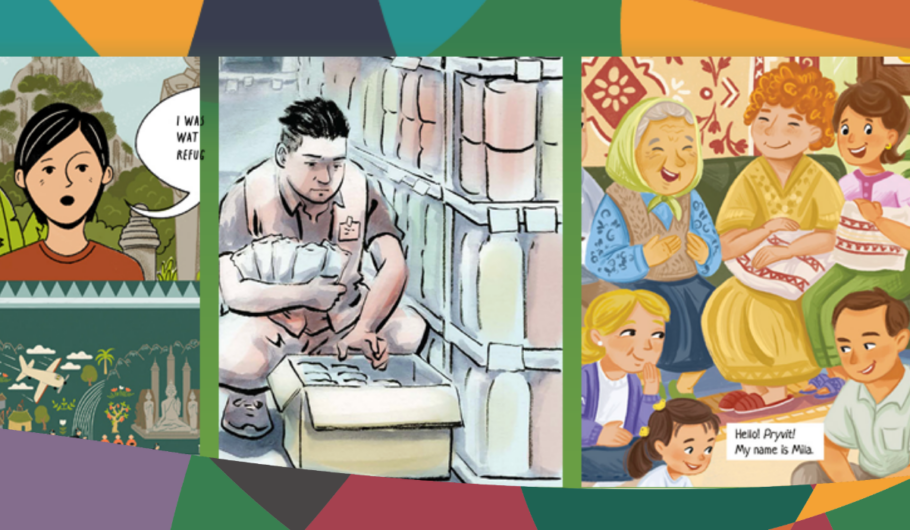
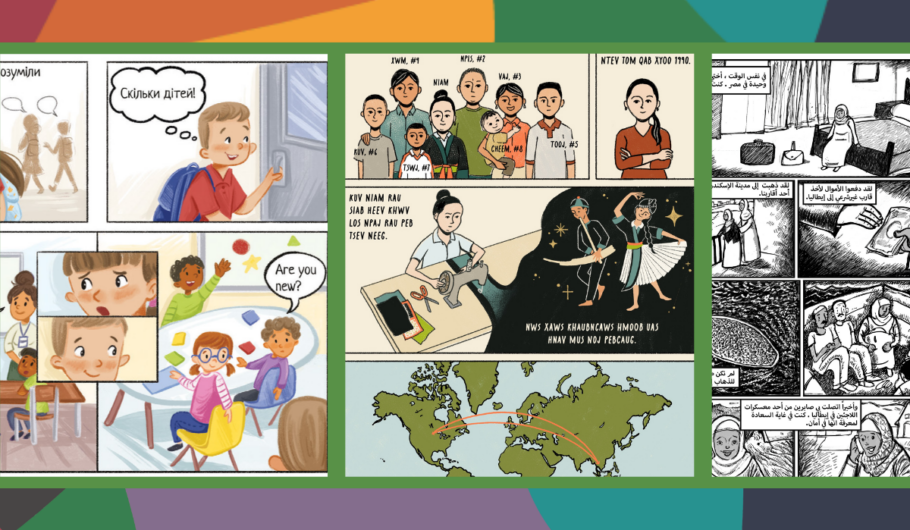
Lesson 1: Concept-Based Inquiry of Background Knowledge
Activity 1: Carousel Brainstorming
Materials:
- Chart paper (5 sheets)
- Markers (variety of colors)
- Tape or glue
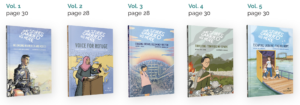
- Five copies of the selected Children’s Bilingual Graphic Novel texts or one of each
- One photocopy of the book covers (in both languages)
- Music (optional)
Set Up:
Make space in the room to hang the concept charts, the Frayer Models, and the taxonomy for visual support and learning throughout the unit.
1. Prepare Charts
Create a large circle on the paper, leaving room outside the page for writing. Think of it like a large rectangular edge with a circle inside. Use five large sheets of paper (chart paper is best) and multiple markers of a variety of colors. Place a photo of the book cover (both sides) in the center, glued or taped down.
2. Introduce the Activity
Ask the class if they are familiar with carousels, like merry-go-rounds at a park. Then explain that we are going to be reading one of five graphic novels written and illustrated by young people from one of five different countries. Each story will share how they came to live in the U.S. (or Minnesota).
Before we read, it’s important to understand what we already know about each story, country, or storyteller. This is called background knowledge.
Be direct about expectations for movement, voice levels, movement type, and waiting for a table to open up. All expectations are individual for each teacher’s personality and style.
3. Carousel
The teacher will say “GO!” or play music (or both) to indicate the start time. Students will circulate the room “carousel style.” When the teacher gives a signal, or the music stops, students stop at a table of their choice. They will look at the picture on the paper and the physical book standing in the center. THINK first about what you see just from the cover. Next, write a word or short phrase about what you think the book might be about. On the outer edge of the paper, outside of the circle, write down any questions you have about the text. Students walk around the classroom to visit each table, adding onto ideas, or they may choose not to. The goal is to circulate, to see what background knowledge appears, and to build on the learning of others in the process.
4. Whole Group Share
When students have visited all five tables, return to their seats. Take one table’s paper at a time and ask the class to share out what they predict anything they can about the story we’ll read. Use the paper to keep any questions visible to students and revisit and add to this poster/ paper throughout the unit.
Activity 2: Frayer Model Group Project
Start at the end of this activity and use it as an entrance to the next class if needed.
1. Select & Define Key Concepts
From the 18 concepts listed in the chart, choose the concepts from your Children’s Bilingual Graphic Novel series. Example, Vol 1 – Daniel’s story lists: Voluntary, Involuntary, Remittance, Reunify.
Students work in groups of 2-4 to define all concepts. Groups will work together to create a Frayer Model for each concept. Frayer Models are strong strategies for comprehension of new vocabulary words.
They include four parts:
- vocabulary word definition
- illustration Definition Visual/Image Word used in a sentence or two Word/ Concept Non-Examples, antonyms • original sentence or phrase
- non-example or antonym
Introduce Frayer Models in advance of this lesson if students are not familiar with them. Feel free to alternate the antonym box with another skill per your class needs (e.g., word roots or prefixes).
Group roles: writing, drawing, researching definitions and non-examples using Children’s Bilingual Graphic Novel series, and making the poster look beautiful.
2. Reflect & Build Vocabulary Taxonomy
Wrap up the lesson. Introduce the taxonomy for the unit. Start by adding the concepts the students just defined. Ask: Why might this be a helpful strategy when learning about new words? Elicit ideas for any new words to add.
Use the taxonomy for all words, terms, posted, and visible A-Z. Create a group chart and/or print the handout and use it in notebooks or both! Leave blank at the start, then add words as you go through the unit. Use different colors each time you add words. Choose students to add to the taxonomy.
Lesson 2: Building Vocabulary
Activity 1: New Vocabulary
1. Introduce & Engage with Vocabulary
Introduce the words before passing out handouts. Show the words on the classroom screen. Then, call-and-response style, read each word aloud, followed by the students reading it together.
Be sure to ask for student noticings. Example: “I see the prefix “re” which means again, back, or anew.” Discuss any root word parts as you read them. Example: “Unify means to make one.” After each word has been read by the class, introduce a reading strategy for the definitions, called “Jump In” (Dr. Hollie, CLLRT). The strategy is easy to implement.
After each word is read, one brave soul will “jump in” to read the definition.
This speeds up time, increases participation, and eliminates calling on students with their hands raised.
Activity 2: Matching with Pairs
1. Match Vocabulary Terms and Definitions
Using the vocabulary handout from your story, cut out the terms and definitions (in advance) and keep them organized into groups. Use an envelope to store them for other classes. You will need one set for every pair of students.
Let the kids “play” with the words by matching each term to its definition. Switch partners if time permits for a second round.
2. (Optional)
Organize by Story When all pairs have matched the terms, push them to try to organize by story/ storyteller. Daniel’s words You can give the hint by writing on the board by the number of terms per story:
- Vol 1 – Daniel’s story = 4
- Vol 2 – Zaynab’s story = 6
- Vol 3 – Kim’s story = 5
- Vol 4 – Thai’s story = 5
- Vol 5 – Mila’s story = 4
Activity 3: Find Your Match
Materials:
- Notecards (Prepared in advance)
1. Prepare the cards
Either the teacher creates or has a few students do this. Get one notecard or ½ sheet of paper for each vocabulary, concept, and each definition.
If you only have 10 terms + 10 definitions but 24 students, throw in an extra fact or any new term from the story, e.g. the name of a food, or a country. There must be an even number; everyone needs one card. Pair up students or one trio if there are uneven numbers.
Write legibly for each card.
2. Distribute Cards
Once the cards have been written out (or shortcut: enlarge the handout, print, and cut out), pass out one card to each student.
3. Find Your Match
When the teacher gives a signal, students get up from their seats and try to find their “match.”
When a “match” has been found, students will stand together with their partner, raise their hands, and move to the outside of the class to form a circle.
Do this until all matches have been found. They can help each other if they get stuck.
4. Share Out
Regroup as a circle and go around, asking each pair to read their word and definition to the group.
Bonus: Read your partner’s card to the group. Introduce your partner: This is Tea, and her word is “reunify.”
Partner: This is Yasmin, and the definition of “reunify” means to get back together.
The teacher collects each card after they’ve shared out for use with the next class.