


Unidad 1: Identidad y lenguaje – La identidad por medio de las historias
Periodo de tiempo
- 1-2 períodos de clase
Materiales
- Chromebooks
- Diapositivas
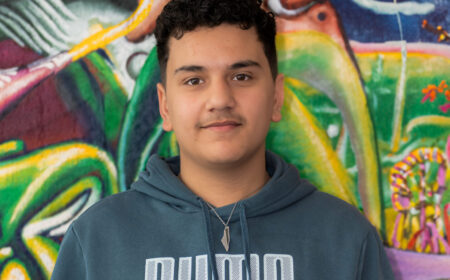
- Green Card Youth Voices:: Historias de inmigración de una escuela secundaria de Minneapolis– historia y video de Alexandra Irrazábal
- Resaltadores
- Pluma/Lápices
- Carteles/ Notas adhesivas para la pared
- Marcadores
Conexiones a las 7 C’s de los estudios étnicos
- Celebrar: y honrar a los pueblos indígenas de la tierra y a las comunidades de color proporcionar un espacio para compartir sus historias de lucha y resistencia, junto con su riqueza intelectual y cultural.
- Centrado: y poner gran valor en lo precolonial, lo ancestral, lo indígena, lo diaspórico, lo familiar y en el conocimiento marginado.
Instrucción (ICCR)
Día 1 – Encender: Introducción/Calentamiento
Bienvenida, agenda, anuncios, objetivo de aprendizaje (diapositiva 1)
a. Pregunta de calentamiento: ¿Cuándo fue la última vez que te contaron un cuento? ¿De qué se trataba el cuento?
i. Voltea a un compañero y comparte tu experiencia (2-4 minutos).
ii. Compártelo con la clase; elige a algunos estudiantes (2-3 minutos).
Fragmentar: Entendiendo las historias
b. Las historias como un sentido de sí mismo y del mundo que nos rodea (diapositiva 2)
i. “Conocer el pasado es conocer el presente. Conocer el presente es conocerse a uno mismo.” —Jason Reynolds + Ibram X. Kendi (Sellado)
ii. Aviso/descargo de responsabilidad sobre salud mental: La lección de hoy trata de migración, dificultades, identidad y las experiencias de comunidades no dominantes. Algunos estudiantes pueden identificarse con estas experiencias de diferentes maneras. Por favor, cuídese y participe en la forma que le resulte más cómoda.
c. Vocabulario + ejemplos de historias (diapositiva 3)
i. Vocabulario: Narración oral
- ¿Cuál es tu definición de narración oral? ¡Escribe lo que crees que significa la frase! (Dos minutos para pensar y escribir).
a. ¿Coincide tu definición con la que está en la pizarra? (Pide a algunos alumnos que lean la definición y luego a otros que la compartan). - Definición: la recopilación y el estudio de información histórica por medio de grabaciones de entrevistas con personas que tienen conocimiento personal de eventos en el pasado.
- Vamos a crear una definición juntos. (Busquen puntos en común entre las definiciones y formen una definición en clase; úsela para sus apuntes, si los toman).
d. Manteniendo vivas las historias y el lenguaje: Dichos y corridos (diapositiva 4)
i. Los dichos han sido utilizados en las comunidades mexicanas y latinas durante siglos.
- Proporcionan una forma de expresión o consejo para todo tipo de situaciones.
- Ejemplo: “El que se lo guarda para al rato, se lo come el gato.” → se traduce a: “Si lo guardas para más tarde, no hay garantía de que esté allí.”
- Pida a los alumnos que digan en voz alta “dichos” que usan en sus familias (que no aparecen en la diapositiva).
- Haga una lista de todos los dichos/refranes → ¿Qué “temas” observas o qué tipo de consejos comparten? ¿Podríamos agruparlos según esos temas o tipos de consejos?
ii. Diapositiva 5: con evidencia de estudio (pida al estudiante que lea en voz alta)
- El intercambio de historias, dichos y consejos es una experiencia común entre las familias mexicanas y las familias mexicanas que son inmigrantes en Estados Unidos. Además de ser una oportunidad para disfrutar y entretenerse, la narración de historias familiares y cuentos populares fortalece los lazos familiares, comparte valores culturales y contribuye a la construcción de la identidad. El intercambio de relatos, especialmente aquellos sobre la pobreza y la lucha, se asocia con la resiliencia y el empoderamiento, y sirve de apoyo a los padres en sus interacciones con la escuela y en la abogacía de los derechos de sus hijos (Delgado-Gaitan, 2005).
iii. Diapositiva 6: Definición de corridos
- Una balada al estilo tradicional mexicano, cuyas letras suelen narrar un evento histórico.
- Diapositiva 7: Los corridos se han utilizado desde la Revolución Mexicana y han recuperado popularidad durante la colonización de lo que es ahora la frontera entre México y Estados Unidos y de otros territorios del sur de Estados Unidos.
- Los corridos eran en su mayoría un género dominado por los hombres, pero desde entonces las mujeres han creado sus propios subgéneros, como los corridos coquetos.
- Escucha o añade a tu lista las canciones “300 Noches” o “Cactus” de la artista Belinda, o “X Ti” de Eydrey (ambas cantantes hablan sobre las perspectivas de las mujeres en las relaciones personales, el género y temas feministas).
a. Anota lo que observa del ritmo, la melodía e incluso el tono bajo del sonido. Piensa en lo que se percibe como “femenino”. Luego, compáralo con los corridos “tradicionales” hechos por los hombres.
iv. Diapositiva 8: Corridos populares de antes y de ahora
- La leyenda y la vida de Gregorio Cortés, quien luchó valientemente contra los Texas Rangers estadounidenses por la independencia de México y del pueblo mexicano.
- Diapositiva 9: “La Jaula de Oro” por Los Tigres del Norte
b. Explica que el sueño “americano” no es lo que parece, y que uno termina sintiéndose cada vez más aislado de su cultura y de su gente mientras vive en los Estados Unidos. - Pregunta para los estudiantes: ¿Qué tienen en común estos corridos con la música de las artistas femeninas? ¿En qué son diferentes? ¿Por qué es importante tener todo tipo de narradores para contar historias a través de la música, como en los corridos?
v. Actividad rápida para los alumnos: Pídales que encuentren una canción que cuente una historia sobre un grupo de personas.
- Instrucciones (diapositiva 10):
a. Abren sus Chromebooks.
b. Encuentra una canción contemporánea popular que cuente una historia sobre un grupo de personas o que narre una historia del pasado (añade un cronómetro de seis minutos).
e. Revisar: “Conocer el pasado es conocer el presente. Conocer el presente es conocerse a uno mismo.” (diapositiva 11)
i. “Los países latinoamericanos han contado sus historias por siglos a través de los dichos, consejos, corridos y más.
ii. A veces estas historias nos muestran dificultades, pero también pueden mostrarnos resiliencia.
iii. Como dice un dicho: “No hay mal que por bien no venga” → De lo malo/duro/difícil siempre puede salir algo bueno”.
Día 2 – Reflexiones: ¿Cómo pueden las historias enseñarnos sobre nosotros mismos y el mundo que nos rodea? (diapositiva 12)
f. Tiempo de trabajar en la clase: instrucciones para los estudiantes
i. Lee y anota por tu cuenta la historia de Alexandra Irrazabal en GCV.
ii. Rodea con un círculo las palabras que no conozcas.
iii. Subraya las frases que describen quién es Alexandra: qué le gusta, cuáles son sus cosas favoritas,
iv. Subraya palabras o frases que describen el mundo que rodea a Alexandra.
g. Galería de carteles: Instrucciones
i. Escribe una de las siguientes preguntas en cada cartel.
ii. Grupos de tres a seis estudiantes dedican 5 minutos a cada cartel.
iii. Pueden añadir comentarios a las ideas de otros, hacer preguntas sobre las ideas de otros, añadir su propia respuesta a la pregunta, etc.
iv. Cuando la rotación está completa, los grupos de estudiantes presentan su cartel y comparten lo que han escrito.
v. Preguntas de la galería
- ¿Por qué es importante compartir historias de experiencias?
- ¿Qué tienen en común todas las historias que escuchamos o leemos hoy?
- ¿Cómo influyen las historias en nuestra forma de pensar?
- ¿Por qué es importante destacar las historias de las comunidades que no son dominantes?
- ¿Por qué es importante reconocer las diferentes formas de narración?
- ¿Qué aprendemos de los cuentos?
Revisar (Actividad de salida)
a. ¿Cómo la lección de hoy te ayudó a comprender mejor la narración de historias?
b. Si pudieras contar una historia sobre tu comunidad, ¿cuál sería?
Apoyo multilingüe para estudiantes de inglés (ELL, por sus siglas en inglés).
- Permita que los estudiantes lean la historia de Alexandra en su idioma materno
- Permita que los estudiantes hagan anotaciones en su idioma materno
- Los grupos pueden ser por lengua materna o por idiomas mixtos.
- Proporcione frases modelo en inglés para ayudar a los estudiantes a participar en la conversación durante la actividad de la galería de carteles.
- Permita tiempo para que los estudiantes puedan pensar acerca de sus respuestas; primero, escriban en su lengua materna antes de reunirse en grupo.
Vocabulario y definiciones
- Narración oral: La práctica de transmitir la historia, los valores y las tradiciones por medio de las palabras habladas y la actuación, en lugar de por escrito.
- Dichos: Dichos o proverbios cortos y populares de las culturas hispanohablantes que ofrecen sabiduría popular o lecciones de vida.
- Corridos: Canciones tradicionales mexicanas, narrativas o baladas, que cuentan historias del pasado, problemas sociales o las vidas de héroes cotidianos.
- Consejos: Información útil o sabiduría cultural compartida por los ancianos para guiar a las generaciones más jóvenes a tomar buenas decisiones.
- Narrativas: Las historias o relatos específicos de eventos que ayudan a las personas a explicar sus experiencias y cómo ven el mundo.
- Comunidades no dominantes: grupos de personas que históricamente han tenido menos poder social, político o económico en comparación con el grupo más grande o más influyente de una sociedad.
Lista de recursos
- “Dichos, Pepitas de Sabiduría” www.texasstandard.org/stories/dichos-nuggets-of-wisdom
- “Dichos y Refranes: Un dicho para cada ocasión” www.mexperience.com/un-dicho-para-cada-ocasión
- “25 refranes mexicanos que necesitas en tu vida” www.poliglota.org/post/refranes-mexicanos
- “La narración de cuentos en los hogares mexicanos: conexiones entre las prácticas orales y la alfabetización” https://pmc.ncbi.nlm.nih.gov/articles/PMC3614910
- “El Corrido: Una balada cultural de la experiencia mexicoamericana” www.tshaonline.org/handbook/entries/corridos
- “Américo Paredes, un héroe mexicano-americano” www.marfapublicradio.org/podcast/rambling-boy/2013-04-29/americo-paredes-a-mexican-american-hero
- “La Jaula de Oro” -Los Tigres del Norte www.youtube.com/watch?v=0jeBzqS_6WE
- “Narración de cuentos y tradiciones culturales” https://education.nationalgeographic.org/resource/storytelling-and-cultural-traditions
- “Dichos/Refranes” https://usldhrecovery.uh.edu/exhibits/show/the-ramona-gonzalez-papers/dichos
- “Corridos: Historias contadas por medio de las canciones” https://www.nps.gov/articles/corridos-stories-told-through-song.htm
- Definición de diccionario: “narrativa” https://dictionary.cambridge.org/us/dictionary/english/narrative
- Valores y principios del modelo currículo de Estudios étnicos liberados (7 C’s) https://drive.google.com/file/d/1cGOs7rsY9wT2qI-yIQh5dye8snRjGYxr/view

Unidad 3: Sanar y construir un futuro: Sanar y construir un futuro mediante la comunidad.
Periodo de tiempo
- 1-2 períodos de clase
Materiales
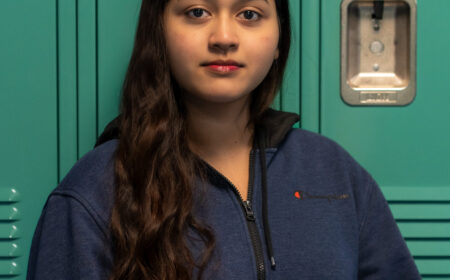
- Green Card Voices: Historias de inmigración de una escuela secundaria de Minneapolis la historia de Ángel Santos
- Poema: “Quizás el mundo termina aquí” de Joy Harjo
- Diapositivas
Conexiones a las 7 C’s de los estudios étnicos
- Conectar: movimientos de resistencia a nivel local y global, históricamente y hoy.
- Desafío: un aprendizaje que interrumpe el daño, perturba las narrativas dominantes y promueve la justicia, hacia la acción, la organización, la abogacía y la sanación.
Instrucciones
Día 1 – Encender: Introducción/Calentamiento
Bienvenida, agenda, anuncios, objetivo de aprendizaje (diapositiva 1)
a. Pregunta de calentamiento: ¿Cuándo fue la última vez que usted y su familia o sus amigos se sentaron alrededor de una mesa? Describa lo que hicieron, comieron, de qué hablaron o compartieron, etc.
i. ¡Escribe en un cuaderno! (2-3 minutos)
ii. Habla con un compañero y comparte tu experiencia (2-4 minutos).
iii. Compártelo con la clase; elige a algunos estudiantes para compartir (2-3 minutos).
b. Salud mental –La lección de hoy trata de la aplicación de las leyes de inmigración, las relaciones familiares, la seguridad comunitaria, poder sanar y las experiencias de miedo e incertidumbre. Algunos estudiantes pueden identificarse con estas experiencias de manera personal o intergeneracional, y de diferentes maneras. Por favor, cuídense y participen de la forma que les resulte más cómoda y apoyada.
Fragmentar: La comunidad como fuente de sanar y construir un futuro (diapositiva 2)
c. Actividad de calentamiento
i. Lee en la clase: “Quizás el mundo termina aquí” de Joy Harjo (fuente)
ii. Preguntas para “Conversar en parejas” después de leer:
1. Alrededor de la mesa se reúnen personas, no una sola. Alrededor de la “mesa”, la gente puede ser hostil, pero también alegre. ¿Por qué la comunidad es necesaria a pesar de los altibajos?
2. ¿Qué es necesario para que la gente se reúna “alrededor de la mesa”?
d. Comunidad vs. individualismo
i. Diapositiva 3: Comunidad vs. individualismo
1. Actividad: Muévase hacia un lado si…
a. En un lado del aula, escribe en un papel o en una pizarra: “Puedo hacer/resolver esto por mi cuenta”.
b. Al otro lado del aula, “Esto se puede hacer/resolver con un grupo de personas”.
c. Lea a los estudiantes los diferentes escenarios y pídeles que se inclinen hacia el lado con el que estén de acuerdo.
i. “Te cuesta entender tus deberes.”
ii. Ves mucha basura en la calle cerca de tu casa.
iii. “Tu ciudad queda destruida por un desastre natural como un tornado o una inundación.
iv. “Las reservas de alimentos de su comunidad se están agotando.”
v. “El parque de tu barrio ha sido vandalizado.”
d. ¿ Todas las situaciones de tu vida deben ser manejadas por ti solo? ¿Cuándo es útil involucrar a otros?
e. En muchos sentidos, el trabajo comunitario o colectivo es más fácil y mejor para nosotros a nivel mental, emocional y físico.
ii. Diapositiva 4: Muchos países de Centroamérica y Sudamérica dependen de la comunidad para salir adelante. Es muy común que los hogares sean multigeneracionales y honren a quienes nos precedieron.
e. Las comunidades y la inmigración como una manera de construir un futuro (diapositiva 4)
i. Diapositiva 5: Una de las varias razones para emigrar es el sueño de una vida mejor. (Salto de texto, nuevo párrafo/línea). ¿Qué ocurre si ese sueño se ve amenazado? ¿Qué puedes hacer?
- Pida a los estudiantes que compartan sus ideas en voz alta; elija a tres personas.
a. Evite presionar a los estudiantes para que revelen o sientan la necesidad de abordar temas personales.
b. Priorizar la seguridad emocional.
c. Mantener en cuenta que los estudiantes quizás no estarán listos para aprender, hablar o participar acerca del tema de Metro Surge, ya que podría resultarles perturbador.
ii. Diapositiva 6: Amenazas a nuestro futuro: Minneapolis durante Metro Surge
iii.
- Minneapolis se unió: los manifestantes (fuente)
a. - Diapositiva 7: Minneapolis se unió: los organizadores
a. - Diapositiva 8: Minneapolis se unió: los observadores de ICE
a. - Diapositiva 9: La comunidad como una manera de proteger el futuro. La manera en que los habitantes de Minnesota se unieron para ayudar a sus vecinos demuestra que la gente está dispuesta a unirse para creer en un futuro juntos, sin importar su origen.
a.
f. Instrucciones para el tiempo de trabajar en la clase
- Elige un compañero.
- Lee la historia de Ángel Santos (imprimirla).
- Anota la historia de Ángel.
a. Rodea con un círculo las palabras que no conozca.
b. Resalte las secciones en donde Ángel menciona su relación con su familia.
c. Subraya las secciones en donde Ángel describe la aceptación (de los demás o de sí mismo).
d. Marca con una estrella las secciones que muestran los sueños para el futuro.
Día 2 – Masticar: ¡Añade un par a tu pareja! (diapositiva 10)
- Comparta sus anotaciones y comente acerca de las preguntas de reflexión.
- Preguntas para discusión en pareja (grabar o recorrer el aula durante este proceso)
e. Elige una anotación que te haya llamado la atención: ¿por qué te impactó
f. ¿Qué o quién ayudó a Ángel cuando se mudó a los Estados Unidos
g. ¿Por qué le resultó difícil a Ángel mudarse a Estados Unidos?
h. Ángel menciona sus relaciones complicadas con su familia. ¿Por qué las relaciones, a pesar de ser complicadas, son importantes para la gente? ¿Cómo impactaron la vida de Ángel?
i. ¿De qué maneras demuestra Ángel sanar?
ii. Diapositiva 11: Actividad de dibujar
1. ¡Saca una hoja de papel y el poema del principio de la clase!
2. Elige un fragmento del poema que te haya llamado la atención.
3. Dibuja tu mesa y a ti mismo.
4. Tu mesa debería mostrarme:
a. ¿Quién está allí?
b. ¿Qué estás haciendo en/con la mesa?
c. Escribe al final de la página el fragmento del poema que elegiste.
Revisar: Discusión en grupo grande (o se puede ampliar, si el tiempo lo permite) (diapositiva 12)
- ¿Cómo representa tu mesa un futuro que deseas?
- ¿Cómo construyes ese futuro?
Lista de recursos
- Coco clip www.youtube.com/watch?v=0TYbf1pw1g8
- Encanto clip www.youtube.com/watch?v=Yp5nPGWWMh4
- “Quizás el mundo termina aquí” www.poetryfoundation.org/poems/49622/perhaps-the-world-ends-here
- “Minnesota demostró que MAGA estaba equivocado” www.theatlantic.com/ideas/2026/01/the-neighbors-defending-minnesota-from-ice/685769
- Modelo de estudios étnicos liberados Valores y principios del currículo (7 C) https://drive.google.com/file/d/1cGOs7rsY9wT2qI-yIQh5dye8snRjGYxr/view