
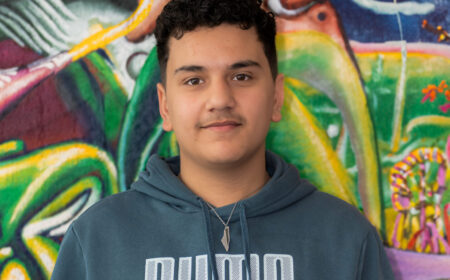



Unit 3: Healing and Future Building – The Gadaa System of Oromo Governance
Time Frame
-
1–2 class periods
Materials
-
Green Card Voices – Mikyas Woldemichael’s video
-
Appendix: Student Handouts
Connections to the 7 Cs of Ethnic Studies
-
Center: centering knowledge from Oromo community, elders, families, and lived experiences through the Gadaa system
-
Conceptualize: visioning, futurisms, world-building, hope, healing, and collective possibilities for Oromo/Ethiopian youth
Instructions
Ignite
Have students Turn and Talk with a partner, answering the question below:
-
What is a goal or hope that you have for the future?
Chunk 1
-
Introduce “What Is the Gadaa System?” to students and review (see attachment/appendix 1).
-
Have students complete the Venn Diagram graphic organizer (see attachment/appendix 2).
Chunk 2
-
Have students watch Mikyas Woldemichael’s video.
Chew
-
After watching the video, have students complete a short writing prompt answering the following questions:
-
What were some challenges for Mikyas when he arrived in the US?
-
What was a turning point for Mikyas that led him to give back to his community?
-
Do you think soccer provided healing and future opportunities for Mikyas’s community?
-
What stage in the Gadaa system do you think Mikyas best represented as he was giving back to his community? Why?
-
Review
-
Have students pair-share the following questions:
-
What are some responsibilities for students your age in the Gadaa system?
-
How is this approach similar to or different from your own responsibilities and expectations in your own culture and family?
-
Multilingual and ELL Support
-
Provide visuals (see slides/attachments).
-
Provide graphic organizers as student handouts.
-
Provide sentence stems for written work and verbal share-outs / small group discussions.
Vocabulary and Definitions
-
Gadaa system: traditional political and governance system of the Oromo people
-
Abba Gadaa: the elected leader of the Oromo Gadaa system
-
Qondaala: the fourth stage of the Oromo Gadaa system (ages twenty-four to thirty-two), in which young adults serve as warriors and protectors of the community through rigorous training in combat, sports, and swimming
-
Abba Duula: the father of war / commander in the Oromo Gadaa system
Resource List
-
-
Dirrib Damisse, 2007 Sirna Gadaa
-
-
The Oromo and the Christian Kingdom of Ethiopia, 1300–1700 by Mohammed Hassen
-
Partisan Discourse and Authentic History by Tabor Wami
-
Liberated Ethnic Studies Model Curriculum Values and Principles (7 Cs) https://drive.google.com/file/d/1cGOs7rsY9wT2qI-yIQh5dye8snRjGYxr/view
Appendix 1: What Is the Gadaa System? (Student Handout)
What Is the Gadaa System?
Think of Gadaa as a “shadow”—it follows the Oromo people everywhere and covers every part of their lives. It is a democracy where power is shared, and everyone has a role based on their age. It is so unique that global experts and UNESCO recognize it as a masterpiece of human culture.
The Five Leaders (The Government)
The Gadaa system is organized into federations, each with a leader who has a specific job, similar to a president and their cabinet.
-
Abbaa Gadaa: the top leader (like a prime minister), who oversees the whole nation
-
Abbaa Duulaa: the head of defense, who looks after safety and the military
-
Abbaa Sa’aa: the head of the economy, who manages natural resources like coffee and farming
-
Abbaa Caffe: the chairman of Parliament, who helps make the laws
-
Abbaa Seeraa: the head of justice, who makes sure everyone follows the law
The Ten Stages of Life in the Gadaa System
Stage 1: Dabballee (Ages 0–8)
Children at this age are considered “pure” and close to God because they have no sin. Their main job is to learn through play, riddles, and proverbs. This strengthens their minds and helps them learn about their family and nature.
Stage 2: Ittimakoo (Ages 8–16)
In this stage, kids learn traditional games, dances, and songs. They start learning their family history (genealogy) and how to count. They focus on developing good character, such as patience and kindness.
Stage 3: Fools / Great Gaammee (Ages 16–24)
Think of this as the “college” phase. Young people learn how to farm, ride horses, and take care of cattle. They also begin to practice military skills and celebrate their culture through song.
Stage 4: Qondaala (Ages 24–32)
This is the defense stage. These young adults train hard in sports, swimming, and combat (like using spears and shields). Their main responsibility is to protect the Oromo people and their resources from enemies.
Stage 5: Raaba Doorii (Ages 32–40)
This is the stage where adults train for leadership. They learn about law, history, and how to run a government. They also take on personal responsibilities, like getting married and building a home, to show they can manage a family before they manage a country.
Stage 6: Gadaa / Abbaa Gadaa (Ages 40–48)
This is the ruling stage. After years of training, people are elected to lead. The Abbaa Gadaa is the top leader. They are responsible for the entire nation’s politics and military for an eight-year term.
Stage 7: First Yuuba (Ages 48–56)
After their eight-year term as leaders ends, people move into an advisory role. One highly respected person is chosen as the Abbaa Bokkuu (president) to oversee fair elections and represent the nation at big meetings (like the African Union).
Stage 8 and 9: Second and Third Yuuba (Ages 56–72)
During these stages, the elders are given the title Hayyuu (scholar/expert). Their job is to teach the younger generations about Oromo culture and administration. They also act as peacemakers to help settle arguments.
Stage 10: Fourth Yuuba / Gadaamojjii (Ages 72–80)
These elders are the “professors” of the community. They have a lifetime of knowledge and are highly respected for their wisdom. They spend their time teaching, praying, and improving the lives of their people.
Key Summary
-
The Power of Eight: Each stage lasts exactly eight years.
-
Democratic Transition: Power is always passed to the next group; no one stays in charge forever.
-
Respect for Age: Every age group has a specific, important job that helps the whole community thrive.
Appendix 2: Venn Diagram: Compare and Contrast the Gadaa System (Student Handout)
Complete the compare and contrast graphic organizer below on how the Gadaa System is similar to and different from your own cultural upbringing and/or family structure. Use examples from the Ten Stages of Gadaa on the “What Is the Gadaa System?” handout.
How the Gadaa System Is Different/Similar to My Own Cultural Upbringing and Family

Unit 3: Healing and Future Building – The Gadaa System of Oromo Governance
Time Frame
-
1–2 class periods
Materials
-
Green Card Voices – Mikyas Woldemichael’s video
-
Appendix: Student Handouts
Connections to the 7 Cs of Ethnic Studies
-
Center: centering knowledge from Oromo community, elders, families, and lived experiences through the Gadaa system
-
Conceptualize: visioning, futurisms, world-building, hope, healing, and collective possibilities for Oromo/Ethiopian youth
Instructions
Day 1 Warm-Up Question:
-
Think about someone you look up to as a leader. What makes them a good leader? Write two to three sentences or draw a picture.
Ignite
-
Have students Turn and Talk with a partner, answering the question below:
-
What is a goal or hope that you have for the future?
Chunk 1
-
Introduce “What Is the Gadaa System?” to students and review (see attachment/appendix 1).
-
Have students complete the Ten Stages of the Gadaa System graphic organizer (see attachment/appendix 2).
Chunk 2
-
Have students watch Mikyas Woldemichael’s video.
Exit Ticket
-
Look at the Gadaa system stages. Which stage are you currently in? Write the stage’s name and one responsibility it entails.
– I am currently in the ___ stage. One responsibility of this stage is ___.
Day 2 Warm-Up Question
-
Think about Mikyas’s story. How did soccer help him heal and build a future? Write one to two sentences using what you remember from the video.
Chew
-
After watching the video, have students complete a short writing prompt answering the following questions:
-
Mikyas was thirty-two years old. Which stage in the Gadaa system represents him? How do you think he showed leadership?
-
Do you think soccer was important for Mikyas? How did it provide healing and future opportunities for his community?
-
What kind of leader do you want to be when you reach stage 5, Raaba Doorii (ages 32–40), in the Gadaa system?
Review
-
Have students pair-share the following questions:
-
Which stage in the Gadaa system do kids your age fall under?
-
What are some responsibilities and expectations at this stage?
-
How is this similar or different to your own responsibilities and expectations in your culture?
-
Exit Ticket
-
One thing I learned about the Gadaa system is ___. This connects to my own life because ___.
Multilingual and ELL Support
-
Provide visuals (see slides/attachments).
-
Provide graphic organizers as student handouts.
-
Provide sentence stems for written work and verbal share-outs / small group discussions.
Vocabulary and Definitions
-
Gadaa system: traditional political and governance system of the Oromo people
-
Abba Gadaa: the elected leader of the Oromo Gadaa system
-
Qondaala: the fourth stage of the Oromo Gadaa system (ages twenty-four to thirty-two), in which young adults serve as warriors and protectors of the community through rigorous training in combat, sports, and swimming.
-
Abba Duula: the father of war / commander in the Oromo Gadaa system
Resource List
-
-
Dirrib Damisse, 2007 Sirna Gadaa
-
-
The Oromo and the Christian Kingdom of Ethiopia, 1300–1700 by Mohammed Hassen
-
Partisan Discourse and Authentic History by Tabor Wami
-
Liberated Ethnic Studies Model Curriculum Values and Principles (7 Cs) https://drive.google.com/file/d/1cGOs7rsY9wT2qI-yIQh5dye8snRjGYxr/view
Appendix 1: What Is the Gadaa System? (Student Handout)
What Is the Gadaa System?
Think of Gadaa as a “shadow”—it follows the Oromo people everywhere and covers every part of their lives. It is a democracy where power is shared, and everyone has a role based on their age. It is so unique that global experts and UNESCO recognize it as a masterpiece of human culture.
The Five Leaders (The Government)
The Gadaa system is organized into federations, each with a leader who has a specific job, similar to a president and their cabinet.
-
Abbaa Gadaa: the top leader (like a prime minister), who oversees the whole nation
-
Abbaa Duulaa: the head of defense, who looks after safety and the military
-
Abbaa Sa’aa: the head of the economy, who manages natural resources like coffee and farming
-
Abbaa Caffe: the chairman of Parliament, who helps make the laws
-
Abbaa Seeraa: the head of justice, who makes sure everyone follows the law
The Ten Stages of Life in the Gadaa System
Stage 1: Dabballee (Ages 0–8)
Children at this age are considered “pure” and close to God because they have no sin. Their main job is to learn through play, riddles, and proverbs. This strengthens their minds and helps them learn about their family and nature.
Stage 2: Ittimakoo (Ages 8–16)
In this stage, kids learn traditional games, dances, and songs. They start learning their family history (genealogy) and how to count. They focus on developing good character, such as patience and kindness.
Stage 3: Fools / Great Gaammee (Ages 16–24)
Think of this as the “college” phase. Young people learn how to farm, ride horses, and take care of cattle. They also begin to practice military skills and celebrate their culture through song.
Stage 4: Qondaala (Ages 24–32)
This is the defense stage. These young adults train hard in sports, swimming, and combat (like using spears and shields). Their main responsibility is to protect the Oromo people and their resources from enemies.
Stage 5: Raaba Doorii (Ages 32–40)
This is the stage where adults train for leadership. They learn about law, history, and how to run a government. They also take on personal responsibilities, like getting married and building a home, to show they can manage a family before they manage a country.
Stage 6: Gadaa / Abbaa Gadaa (Ages 40–48)
This is the ruling stage. After years of training, people are elected to lead. The Abbaa Gadaa is the top leader. They are responsible for the entire nation’s politics and military for an eight-year term.
Stage 7: First Yuuba (Ages 48–56)
After their eight-year term as leaders ends, people move into an advisory role. One highly respected person is chosen as the Abbaa Bokkuu (president) to oversee fair elections and represent the nation at big meetings (like the African Union).
Stage 8 and 9: Second and Third Yuuba (Ages 56–72)
During these stages, the elders are given the title Hayyuu (scholar/expert). Their job is to teach the younger generations about Oromo culture and administration. They also act as peacemakers to help settle arguments.
Stage 10: Fourth Yuuba / Gadaamojjii (Ages 72–80)
These elders are the “professors” of the community. They have a lifetime of knowledge and are highly respected for their wisdom. They spend their time teaching, praying, and improving the lives of their people.
Key Summary
-
The Power of Eight: Each stage lasts exactly eight years.
-
Democratic Transition: Power is always passed to the next group; no one stays in charge forever.
-
Respect for Age: Every age group has a specific, important job that helps the whole community thrive.
Appendix 2: Ten Stages of the Gadaa System (Student Handout)
Complete the following graphic organizer on the ten stages of the Gadaa system.
|
Stage |
Age |
Name |
Draw a picture of the responsibilities that occur in this stage. |
|
1 |
|||
|
2 |
|||
|
3 |
|||
|
4 |
|||
|
5 |
|||
|
6 |
|||
|
7 |
|||
|
8–9 |
|||
|
10 |
Yuunitii 3: Fayyinaa fi Fuuldura Ijaaruu – Sirna Gadaa
Yeroo Murta’e
- Kutaa barnootaa lama kessatti
Meeshaalee Barnootaa
- Green Card Voices – Viidiyo Mikyas Woldemichael
- Dabalee: Hojii Barattootaf
- Oromo Lesson Slides
Connections to the 7 Cs of Ethnic Studies
- Center: Sirna Gadaatiin beekumsa hawaasa Oromoo, jaarsolii, maatii, fi muuxannoo jireenyaa irratti xiyyeeffachuu.
- Conceptualize: Dargaggoota Oromoo fi Itoophiyaa keessattif abdii, fayyinaa, fuuldura, fi carraalee irratti yaadu
Qajeelfamoota:
Guyyaa 1ffa Gaafii Jalqabaa:
- Nama akka geggeessaatti kabajdu tokko yaadi. Maaltu isaan geggeessaa gaarii taasisa? Himaa lama yookan sadii barreesii, yookan suura kaasi.
Ignite (Kakaasuu)
- Barattoonni walitti haa’saaudhan, gaafii armaan gaditti kana haa deebisan:
- Galmaa yookaan abdii fuulduraf maal qabda?
Chunk 1 (Qindeessuu 1)
- Barreefamaa “What Is the Gadaa System?” barattootatti garsisii (see attachment/appendix 1).
- Barattoonnii sadarkaa Sirna Gadaa kudhanii fakkii yaada qindeessu irra haa guutan. (see attachment/appendix 2).
Chunk 2 (Qindeessuu 2)
- Baratoonni Vidiyoo Mikyas Woldemichael haa laalan.
Gaafii Xumuraa
- Sadarkaa Sirna Gadaa ilaalaa. Sadarkaa kam kessaa jirta? Maqaa sadarkaa sun barresii, itti gaafatamummaa isa tokkoo barresii.
– Sadarkaa ___ kessan jira. Itti gaafatamummaa tokkoo sadarkaa kanarra ____.
Guyyaa 2ffa Gaafii Jalqabaa:
- Waa’ee seenaa Mikyas itti yaadaa. Kuubbaa miilaa fayyuu isa fii fuuldura ijaaruu akkamii isa gargaaree? Himaa tokkoo yookan lama waliin waan yaadattan viidiyoo irra barressaa.
Chew (Xiinxaluu)
- Viidiyoo ilaaluu booda, barattonnii gaafii armaan gaditti haa deebisan:
- Mikyas umrii isa sodomii lama ta’e. Gadaa kessaa sadarkaa kami jira? Geggeessumma akkami garsiisee?.
- Mikyasif kuubbaa miila taphachuu waan barbaachisaa isaaf ture? Kuubaa miilaa faayyinaa fii carraa fuuldura hawaasa isaatif akkamiitti kennee?
- Sadarkaa 5, Raaba Doorii (umrii 32 irra – 40tti) yeroo itti ga’u keessanii, geggeessaa akkam ta’u barbaaddan?
Irra Deebi’u
- Barattoonnii gaafii armaan gaditti wal haa qoodan:
- Ijoollee akka umrii keeti Sirna Gadaa kessatti sadarkaa kam jiran?
- Umrii kanattii itti gaafatamummaa maal fakkata?
- Waan kun aadaa kee kessatti akkam tokkoo yookan adda ta’e?
Gaafii Xumuraa
- Sirna Gadaa irraa waan tokkoo waanan baradhe ___. Kun jireenya koo wajjin wal hidhamiinsa qaba, sababnii isaas___.
Deeggarsa Afaanii
- Mul’ata kennu (see slides/attachments).
- Meeshaalee yaada qindeessan kennuu
- Jalqaboota himaa kennuu hojjii barreeffamaa fi ha’saauuf.
Jechootaa fii Hiikaa Isaanii
- Gadaa system: Sirna siyaasa fii mootummaa ummata Oromoof.
- Abba Gadaa: Geggeessaa filatame Sirna Gadaa kessaatti.
- Qondaala: Sadarkaa 4ffa Sirna Gadaa kessatti, umrii diigdamii afuur irra hanga sodomii lamatti. Dargaggonni kun tiksitoota hawaasaa ta’u. Isaani loluu, ispoortii fi daakuu ni leenjisan.
- Abba Duula: Ajajaa waraanaa Sirna Gadaa keessatti.
Tarree Maddalee Barnootaa
-
- Dirrib Damisse, 2007 Sirna Gadaa
- The Oromo and the Christian Kingdom of Ethiopia, 1300–1700 by Mohammed Hassen
- Partisan Discourse and Authentic History by Tabor Wami
- Liberated Ethnic Studies Model Curriculum Values and Principles (7 Cs) https://drive.google.com/file/d/1cGOs7rsY9wT2qI-yIQh5dye8snRjGYxr/view
Dabalee 1: Sirna Gadaan Maali? (Hojii Barattootaf)
Sirna Gadaan Maali?
Sirna Gadaa akkuma gaaddisaati. Ummata Oromoo bakka hundatti ni hordofa. Namoonni umrii isaanii irratti hundaa’uun hojjii ni qaban. Sirna Gadaa addunyaa irrati beekamaadha. UNESCO’nis Sirna Gadaa akka qabeenya Addunyaa ta’e eegumsaa jiran.
Geggeessaa Shanan (Mootummaa)
Sirna Gadaa gareewwan garaagaraatiin qoodama. Gareen hundi geggeessaa qaba. Geggeessaan sun hojii addaa qaban.
- Abbaa Gadaa: Geggeessaa olaanaa biyya guutuu bulchu
- Abbaa Duulaa: Ajajaa waraanaa Sirna Gadaa keessatti.
- Abbaa Sa’aa: Qabeenya uumamaa akka buna fii qonnaa irrati hojji hojjetu.
- Abbaa Caffe: geggeessaa seera baasuu keessatti hojji hojjetu.
- Abbaa Seeraa: geggeesaa haqa fi seerati. Namoonni hunda seera akka kabajan ni ilaalaa.
Sadarkaa Kudhan Sirna Gadaa Keessatti
Sadarkaa 1: Dabballee (Umrii 0–8)
Ijoolleen umrii kanatti akka qulqulluu ta’an fii dilii hin qabnee ilaalamu. Hojjiin isaanii taphaan, mammaaksan fii hibboon waa’ee maatii isaani fii uumamaa barachuuf.
Sadarkaa 2: Ittimakoo (Umrii 8–16)
Sadarkaa kanattin ijoolleen taphoota, sirboota fii shubbisaa aadaa ni baratan. Akkasumas seenaa maatii isaanii fi lakkaawwuu ni baratan. Amala gaarii ijaaruu, gaarummaa fi obsa qabachuulee ni baratan.
Sadarkaa 3: Fools / Great Gaammee (Umrii 16–24)
Kana sadarkaa akkumaa koollejjii yaadaa. Dargaggoonii umrii kanatti hojjii qonnaa, fardaa yaabbachuu fii horii tiiksu ni baratan. Akkasumas dandeettii lolaa ni leenjisan. Sirbootadhan aadaa isaanilee ni kabajan.
Sadarkaa 4: Qondaala (Umrii 24–32)
Kun sadarkaa eegumsaati. Dargarggonni ispoortii, daakuu, fii loluu ni leenjisan. Hojjii irra gudda isaanii ummata Oromoo fii qabenyaa isanii tiiksudha.
Sadarkaa 5: Raaba Doorii (Umrii 32–40)
Kun sadarkaa namoonni geggeessummaaf itti qopha’anidha. Wa’ee seeraa, seenaa fii mootummaa geggeessuu ni baratan. Akkasumas itti gaafatamummaa fuudhuu fii maatii ijaaruu ni fudhatan, akka biyyaa geggeessuuf qophaa’an agarsiisuuf.
Sadarkaa 6: Gadaa / Abbaa Gadaa (Umrii 40–48)
Kun sadarkaa mootummaa geggeessuuti. Namoonnii waggoota hedduu leenjii booda geggeessummaaf filatamu. Abba Gadaan geggeessa olaanaadha. Isaani waggaa saddeetiif ummata isaanii bulchan.
Sadarkaa 7: Yuuba tokkoffaa (Umrii 48–56)
Waggaa sadeetii geggeessaa ta’anii booda, namoonni gorsitoota ta’an. Nama kabajamaa tokko Abba Bokkuu ta’ee filatamu. Inni filannoo sirrii akka ta’u ilaala, akkasumas ummata Oromoof waliigala guddaatti deema (akkuma waliigala Afrikaan Yuuniyoon).
Sadarkaa 8 and 9: Yuuba lamaffaa fii saddaffaa (Umrii 56–72)
Sadarkaalee kana keessatti, maanguddoota Hayyuu jedhanii waamani. Hojjiin isaanii dargaggoota aadaa Oromoo fii mootummaa barsiisuudha. Akkasumas yeroo wal mormuu kessaa, araara ni baasan.
Sadarkaa 10: Yuuba afraaffaa / Gadaamojjii (Umrii 72–80)
Maanguddoota kun hayyota hawaasati. Beekumsa guddaa qaban, namoonni hedduunis isaani ni kabajan. Yeroo isaani barsiisuu, kadhachuu fii ummata isaanii gargaaruu wajjin dabarsanii.
Xumuraa
-
Humna Saddeetii: Sadarkaan hundi waggaa saddeetii turti.
-
Ce’umsa Dimokiraasii: Aangoon yeroo hundaa garee itti aanuuf darbama; namni tokko yeroo hunda aango waliin hin turuu.
-
Kabaja Umriif: Gareen umrii hundi hojii addaa qaba. Hojiin isaani hawaasa guutuu ni gargaara.
Dabalee 2: Sadarkaa Kudhanii Sirna Gadaa
Waraqaa hojii kana keessatti sadarkaa kudhanii sirna Gadaa guutaa
|
Sadarkaa |
Umrii |
Maqaa isa |
Itti gaafatamumma sadarkaa kana keessaa jiru suura kaasaa. |
|
1 |
|
||
|
2 |
|
||
|
3 |
|
||
|
4 |
|||
|
5 |
|
||
|
6 |
|
||
|
7 |
|
||
|
8–9 |
|
||
|
10 |
|
Yunitii 3ffaa: Fayyinaa fii Fuuldura Ijaaruu – Sirna Gadaa Bulchiinsa Oromoo
Yeroo Murta’e
- Kutaa barnootaa tokko yookan lama kessatti
Meeshaalee Barnootaa
- Green Card Voices – Viidiyo Mikyas Woldemichael
- Dabalee: Hojii Barattootaf
- Oromo Lesson Slides
Connections to the 7 Cs of Ethnic Studies
- Center: Sirna Gadaatin beekumsa hawaasa Oromoo, jaarsolii, maatii, fi muuxannoo jireenyaa irratti xiyyeeffachuu.
- Conceptualize: Dargaggoota Oromoo fi Itoophiyaa keessattif abdii, fayyinaa, fuuldura, fi carraalee irratti yaadu
Qajeelfamoota:
Ignite (Kakaasuu)
- Barattoonni walitti haa’saaudhan, gaafii armaan gaditti kana haa deebisan:
- Galmaa yookaan abdii fuulduraf maal qabda?
Chunk 1 (Qindeessuu 1)
- “What Is the Gadaa System?” Baratootatti garsiisii (Dabalee 1 ilaali).
- Barattoonni Venn Diagramii haa guutan (Dabalee 2 ilaali).
Chunk 2 (Qindeessuu 2)
- Baratoonni Vidiyoo Mikyas Woldemichael haa laalan.
Chew (Xiinxaluu)
- Viidiyoo ilaaluu booda, barattonnii gaafii armaan gaditti haa deebisan:
- Mikyas yeroo Ameerikaatti dhufe qormaatawwan maalii isa mudatan?
- Mikyas hawaasa isaatiif deebi’ee gumaachuu akka jalqabu kan isa taasise maal ture?
- Kubbaa miilaa hawaasa Mikyasiif fayyinaa fi carraalee fuulduraa kenne ni yaaddan? Maaliif?
- Mikyas yeroo hawaasa isaatiif deebi’ee gumaachaa ture sadarkaa Sirna Gadaa keessaa kam ture yaaddan? Maalif?
Irra Deebi’u
- Barattoonnii gaafii armaan gaditti wal haa qoodan:
- Ijoollee akka umrii keeti Sirna Gadaa kessatti sadarkaa kam jiran?
- Umrii kanattii itti gaafatamummaa maal fakkata?
- Waan kun aadaa kee kessatti akkam tokkoo yookan adda ta’e?
Deeggarsa Afaanii
- Mul’ata kennu (see slides/attachments).
- Meeshaalee yaada qindeessan kennuu
- Jalqaboota himaa kennuu hojjii barreeffamaa fi ha’saauuf.
Jechootaa fii Hiikaa Isaanii
- Gadaa system: Sirna siyaasa fii mootummaa ummata Oromoof.
- Abba Gadaa: Geggeessaa filatame Sirna Gadaa kessaatti.
- Qondaala: Sadarkaa 4ffa Sirna Gadaa kessatti, umrii diigdamii afuur irra hanga sodomii lamatti. Dargaggonni kun tiksitoota hawaasaa ta’u. Isaani loluu, ispoortii fi daakuu ni leenjisan.
- Abba Duula: Ajajaa waraanaa Sirna Gadaa keessatti.
Tarree Maddalee Barnootaa
-
- Dirrib Damisse, 2007 Sirna Gadaa
- The Oromo and the Christian Kingdom of Ethiopia, 1300–1700 by Mohammed Hassen
- Partisan Discourse and Authentic History by Tabor Wami
- Liberated Ethnic Studies Model Curriculum Values and Principles (7 Cs) https://drive.google.com/file/d/1cGOs7rsY9wT2qI-yIQh5dye8snRjGYxr/view
Dabalee 1: Sirna Gadaan Maali? (Hojii Barattootaf)
Sirna Gadaan Maali?
Sirna Gadaa akkuma gaaddisaati. Ummata Oromoo bakka hundatti ni hordofa. Namoonni umrii isaanii irratti hundaa’uun hojjii ni qaban. Sirna Gadaa addunyaa irrati beekamaadha. UNESCO’nis Sirna Gadaa akka qabeenya Addunyaa ta’e eegumsaa jiran.
Geggeessaa Shanan (Mootummaa)
Sirna Gadaa gareewwan garaagaraatiin qoodama. Gareen hundi geggeessaa qaba. Geggeessaan sun hojii addaa qaban.
- Abbaa Gadaa: Geggeessaa olaanaa biyya guutuu bulchu
- Abbaa Duulaa: Ajajaa waraanaa Sirna Gadaa keessatti.
- Abbaa Sa’aa: Qabeenya uumamaa akka buna fii qonnaa irrati hojji hojjetu.
- Abbaa Caffe: geggeessaa seera baasuu keessatti hojji hojjetu.
- Abbaa Seeraa: geggeesaa haqa fi seerati. Namoonni hunda seera akka kabajan ni ilaalaa.
Sadarkaa Kudhan Sirna Gadaa Keessatti
Sadarkaa 1: Dabballee (Umrii 0–8)
Ijoolleen umrii kanatti akka qulqulluu ta’an fii dilii hin qabnee ilaalamu. Hojjiin isaanii taphaan, mammaaksan fii hibboon waa’ee maatii isaani fii uumamaa barachuuf.
Sadarkaa 2: Ittimakoo (Umrii 8–16)
Sadarkaa kanattin ijoolleen taphoota, sirboota fii shubbisaa aadaa ni baratan. Akkasumas seenaa maatii isaanii fi lakkaawwuu ni baratan. Amala gaarii ijaaruu, gaarummaa fi obsa qabachuulee ni baratan.
Sadarkaa 3: Fools / Great Gaammee (Umrii 16–24)
Kana sadarkaa akkumaa koollejjii yaadaa. Dargaggoonii umrii kanatti hojjii qonnaa, fardaa yaabbachuu fii horii tiiksu ni baratan. Akkasumas dandeettii lolaa ni leenjisan. Sirbootadhan aadaa isaanilee ni kabajan.
Sadarkaa 4: Qondaala (Umrii 24–32)
Kun sadarkaa eegumsaati. Dargarggonni ispoortii, daakuu, fii loluu ni leenjisan. Hojjii irra gudda isaanii ummata Oromoo fii qabenyaa isanii tiiksudha.
Sadarkaa 5: Raaba Doorii (Umrii 32–40)
Kun sadarkaa namoonni geggeessummaaf itti qopha’anidha. Wa’ee seeraa, seenaa fii mootummaa geggeessuu ni baratan. Akkasumas itti gaafatamummaa fuudhuu fii maatii ijaaruu ni fudhatan, akka biyyaa geggeessuuf qophaa’an agarsiisuuf.
Sadarkaa 6: Gadaa / Abbaa Gadaa (Umrii 40–48)
Kun sadarkaa mootummaa geggeessuuti. Namoonnii waggoota hedduu leenjii booda geggeessummaaf filatamu. Abba Gadaan geggeessa olaanaadha. Isaani waggaa saddeetiif ummata isaanii bulchan.
Sadarkaa 7: Yuuba tokkoffaa (Umrii 48–56)
Waggaa sadeetii geggeessaa ta’anii booda, namoonni gorsitoota ta’an. Nama kabajamaa tokko Abba Bokkuu ta’ee filatamu. Inni filannoo sirrii akka ta’u ilaala, akkasumas ummata Oromoof waliigala guddaatti deema (akkuma waliigala Afrikaan Yuuniyoon).
Sadarkaa 8 and 9: Yuuba lamaffaa fii saddaffaa (Umrii 56–72)
Sadarkaalee kana keessatti, maanguddoota Hayyuu jedhanii waamani. Hojjiin isaanii dargaggoota aadaa Oromoo fii mootummaa barsiisuudha. Akkasumas yeroo wal mormuu kessaa, araara ni baasan.
Sadarkaa 10: Yuuba afraaffaa / Gadaamojjii (Umrii 72–80)
Maanguddoota kun hayyota hawaasati. Beekumsa guddaa qaban, namoonni hedduunis isaani ni kabajan. Yeroo isaani barsiisuu, kadhachuu fii ummata isaanii gargaaruu wajjin dabarsanii.
Xumuraa
-
Humna Saddeetii: Sadarkaan hundi waggaa saddeetii turti.
-
Ce’umsa Dimokiraasii: Aangoon yeroo hundaa garee itti aanuuf darbama; namni tokko yeroo hunda aango waliin hin turuu.
-
Kabaja Umriif: Gareen umrii hundi hojii addaa qaba. Hojiin isaani hawaasa guutuu ni gargaara.
Dabalee 2: Sirna Gadaa Wal bira Qabi fi Garaagarummaa Isaa Adda Baasi (Hojii Barattootaf)
Sirna Gadaa aadaa kee yookaan maatii kee wajjin maal akka wal fakkaatu fi maal akka adda ta’e irratti waraqaa hojii armaan gadiitti guuti. Fakkenyaa Sadarkaa Kudhan Sirna Gadaa irra itti fayyadami.
Sirna Gadaa fi Aadaa Koo yookaan Maatii Koo: Waan Wal Fakkaatan fi Waan Adda Ta’an
