



Unit 1: Identity and Language – Roots of Oromo
Time Frame
- 1–2 class periods
Materials
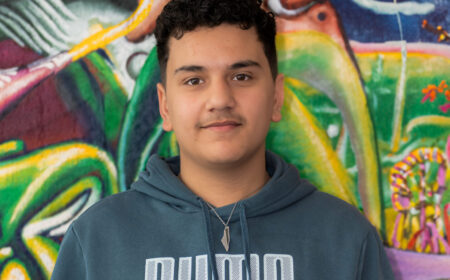
- Green Card Youth Voices: Immigration Stories from a Minneapolis High School – Ikrem Nuru’s video
- Appendix: Student Handouts
- Oromo images (see pictures here)
Connections to the 7 Cs of Ethnic Studies
- Cultivate: learning about the Oromo history, people, and language to provide opportunity for identity affirmation and healing
- Center: centering Oromo youth and their lived experiences navigating institutional structures as new immigrants
Instruction (ICCR)
Ignite
- Have students Turn and Talk and complete the KWL chart (see attachment/appendix 1) by answering the question below:
- What do you know about the Oromo people and language?
Chunk 1
- Provide a short reading and analyze the text of “Oromo People, Culture, and Language” (see attachment/appendix 2) with students to help students understand the history, culture and language of the Oromo people.
- Use “5-4-3-2-1 Close Reading Strategy” (see attachment/appendix 3), an activity where students identify five key words, four interesting facts, three new words, two connections, and one question.
Chunk 2
- Have students watch Ikrem Nuru’s video.
- After watching the video, have students create a timeline of events they saw and heard; you can provide them scrambled event cards and have them sort them in chronological order.
Chew
- Assemble students in groups of two to four. Have them Turn and Talk and answer the following questions below:
- Ikrem was born in ___________ in the country of ___________.
- She came to the USA in ___________.
- Her goal is to become ___________.
- Then, have students complete the comprehension questions about Ikrem Nuru’s story (see attachment/appendix 4).
Review
- Have students pair-share the following questions.
- How many languages do you speak?
- What are those languages?
- How do those languages impact your identity?
- Then, have students share their identity life events with a table partner (see attachment/appendix 5).
- When sharing is done, ask students:
- What new information did you learn about your classmate?
- What connections were you able to make with them?
- What is one question you have for them?
- Lastly, have students complete the “What I Learned” column on the KWL chart.
Multilingual and ELL Support
- Provide visuals (see slides/attachments).
- Provide graphic organizers as student handouts.
- Provide sentence stems for written work and verbal share-outs / small group discussions.
- Annotate text using different colors for 5-4-3-2-1 close reading strategy.
Vocabulary and Definitions
- Boorana (Buh-RAH-nuh): one of the largest Oromo ethnic groups
- Barentu (Bah-REHN-too): branch of Oromo people
- Cushitic (Kuh-SHIT-ik): group of languages and peoples of the Horn of Africa
- Afaan: language
- Afaan oromo (AH-faan oh-ROH-moh): Oromo language
Resource List
- Book-Alamayyoo Haile, 2007
- The Oromo and the Christian Kingdom of Ethiopia, 1300–1700 by Mohammed Hassen
- Book – Hundasaa Waaq-woyya. 2013
- Partisan Discourse and Authentic History by Tabor Wami
- Oromo Images (see pictures here)
- Liberated Ethnic Studies Model Curriculum Values and Principles (7 Cs) https://drive.google.com/file/d/1cGOs7rsY9wT2qI-yIQh5dye8snRjGYxr/view