


Unit 3: Healing and Future Building – The Gadaa System of Oromo Governance
Time Frame
-
1–2 class periods
Materials
-
Green Card Voices – Mikyas Woldemichael’s video
-
Appendix: Student Handouts
Connections to the 7 Cs of Ethnic Studies
-
Center: centering knowledge from Oromo community, elders, families, and lived experiences through the Gadaa system
-
Conceptualize: visioning, futurisms, world-building, hope, healing, and collective possibilities for Oromo/Ethiopian youth
Instructions
Ignite
Have students Turn and Talk with a partner, answering the question below:
-
What is a goal or hope that you have for the future?
Chunk 1
-
Introduce “What Is the Gadaa System?” to students and review (see attachment/appendix 1).
-
Have students complete the Venn Diagram graphic organizer (see attachment/appendix 2).
Chunk 2
-
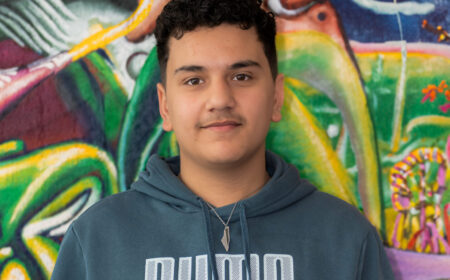
Have students watch Mikyas Woldemichael’s video.
Chew
-
After watching the video, have students complete a short writing prompt answering the following questions:
-
What were some challenges for Mikyas when he arrived in the US?
-
What was a turning point for Mikyas that led him to give back to his community?
-
Do you think soccer provided healing and future opportunities for Mikyas’s community?
-
What stage in the Gadaa system do you think Mikyas best represented as he was giving back to his community? Why?
-
Review
-
Have students pair-share the following questions:
-
What are some responsibilities for students your age in the Gadaa system?
-
How is this approach similar to or different from your own responsibilities and expectations in your own culture and family?
-
Multilingual and ELL Support
-
Provide visuals (see slides/attachments).
-
Provide graphic organizers as student handouts.
-
Provide sentence stems for written work and verbal share-outs / small group discussions.
Vocabulary and Definitions
-
Gadaa system: traditional political and governance system of the Oromo people
-
Abba Gadaa: the elected leader of the Oromo Gadaa system
-
Qondaala: the fourth stage of the Oromo Gadaa system (ages twenty-four to thirty-two), in which young adults serve as warriors and protectors of the community through rigorous training in combat, sports, and swimming
-
Abba Duula: the father of war / commander in the Oromo Gadaa system
Resource List
-
-
Dirrib Damisse, 2007 Sirna Gadaa
-
-
The Oromo and the Christian Kingdom of Ethiopia, 1300–1700 by Mohammed Hassen
-
Partisan Discourse and Authentic History by Tabor Wami
-
Liberated Ethnic Studies Model Curriculum Values and Principles (7 Cs) https://drive.google.com/file/d/1cGOs7rsY9wT2qI-yIQh5dye8snRjGYxr/view
Appendix 1: What Is the Gadaa System? (Student Handout)
What Is the Gadaa System?
Think of Gadaa as a “shadow”—it follows the Oromo people everywhere and covers every part of their lives. It is a democracy where power is shared, and everyone has a role based on their age. It is so unique that global experts and UNESCO recognize it as a masterpiece of human culture.
The Five Leaders (The Government)
The Gadaa system is organized into federations, each with a leader who has a specific job, similar to a president and their cabinet.
-
Abbaa Gadaa: the top leader (like a prime minister), who oversees the whole nation
-
Abbaa Duulaa: the head of defense, who looks after safety and the military
-
Abbaa Sa’aa: the head of the economy, who manages natural resources like coffee and farming
-
Abbaa Caffe: the chairman of Parliament, who helps make the laws
-
Abbaa Seeraa: the head of justice, who makes sure everyone follows the law
The Ten Stages of Life in the Gadaa System
Stage 1: Dabballee (Ages 0–8)
Children at this age are considered “pure” and close to God because they have no sin. Their main job is to learn through play, riddles, and proverbs. This strengthens their minds and helps them learn about their family and nature.
Stage 2: Ittimakoo (Ages 8–16)
In this stage, kids learn traditional games, dances, and songs. They start learning their family history (genealogy) and how to count. They focus on developing good character, such as patience and kindness.
Stage 3: Fools / Great Gaammee (Ages 16–24)
Think of this as the “college” phase. Young people learn how to farm, ride horses, and take care of cattle. They also begin to practice military skills and celebrate their culture through song.
Stage 4: Qondaala (Ages 24–32)
This is the defense stage. These young adults train hard in sports, swimming, and combat (like using spears and shields). Their main responsibility is to protect the Oromo people and their resources from enemies.
Stage 5: Raaba Doorii (Ages 32–40)
This is the stage where adults train for leadership. They learn about law, history, and how to run a government. They also take on personal responsibilities, like getting married and building a home, to show they can manage a family before they manage a country.
Stage 6: Gadaa / Abbaa Gadaa (Ages 40–48)
This is the ruling stage. After years of training, people are elected to lead. The Abbaa Gadaa is the top leader. They are responsible for the entire nation’s politics and military for an eight-year term.
Stage 7: First Yuuba (Ages 48–56)
After their eight-year term as leaders ends, people move into an advisory role. One highly respected person is chosen as the Abbaa Bokkuu (president) to oversee fair elections and represent the nation at big meetings (like the African Union).
Stage 8 and 9: Second and Third Yuuba (Ages 56–72)
During these stages, the elders are given the title Hayyuu (scholar/expert). Their job is to teach the younger generations about Oromo culture and administration. They also act as peacemakers to help settle arguments.
Stage 10: Fourth Yuuba / Gadaamojjii (Ages 72–80)
These elders are the “professors” of the community. They have a lifetime of knowledge and are highly respected for their wisdom. They spend their time teaching, praying, and improving the lives of their people.
Key Summary
-
The Power of Eight: Each stage lasts exactly eight years.
-
Democratic Transition: Power is always passed to the next group; no one stays in charge forever.
-
Respect for Age: Every age group has a specific, important job that helps the whole community thrive.
Appendix 2: Venn Diagram: Compare and Contrast the Gadaa System (Student Handout)
Complete the compare and contrast graphic organizer below on how the Gadaa System is similar to and different from your own cultural upbringing and/or family structure. Use examples from the Ten Stages of Gadaa on the “What Is the Gadaa System?” handout.
How the Gadaa System Is Different/Similar to My Own Cultural Upbringing and Family

Unit 2: Resilience and Resistance – Resilience in the Oromo Culture and Justice System
Time Frame
- 1–2 class periods
Materials
- Green Card Entrepreneur Voices– Tashitaa Tufaa’s story or video
- Appendix: Student Handouts
- Oromo Lesson Slides
Connection to the 7 Cs of Ethnic Studies
- Center: centering Oromo indigenous culture of helping each other and the Oromo knowledge system of justice and reconciliation
Instructions
Ignite
- Ask students the following questions. (Students can answer in English or a heritage language. They can also draw their answer, if they’d like.)
- What do you think culture means? If it helps, you can describe our classroom culture, our school culture, your family or community’s culture, our culture in America, etc.
- What do you think justice means? If it helps, you can describe what justice looks like when there is a conflict in our classroom, our school, your family, your community, or our society.
- Have students share their answers.
Chunk 1
- Give a student-friendly definition of culture and justice.
- Provide the lesson on Oromo culture below.
The Oromo Culture of Helping Each Other
- Jiga is when people come together to help each other with work. Everyone shares the effort so no one has to do it alone.
- The focus is on teamwork and shared responsibility.
- Qabo is when people quickly show up to help someone they care about who is in trouble, without needing to be asked.
- The focus is on community being there whenever it’s needed.
- Afoosha is when a group of people regularly support each other, especially during emergencies, by sharing money or resources.
- The focus is on financial and social support.
Oromo Justice and Reconciliation
- Jaarsumaa is when respected elders in the community help solve problems by listening to both sides and helping people make peace.
- The focus is on the relationship, not blame.
- Gumaa is when someone or their family takes responsibility for harm they caused, and gives something back (like support or compensation) to make things right.
- The focus is on repairing the harm, not punishing.
- Araara is a way of bringing people back together after conflict through apology, forgiveness, and community healing.
- The focus is on finding peace and healing, which is what matters most.
Chunk 2
Compare American and Oromo culture and justice.
- Show the T-chart (see attachment/appendix 1).
- Give a scenario of a conflict between two students in your school. What harm was caused? What would justice look like? How would the principal handle it?
- Expected answers would be that our schools traditionally focus on who started the fight (highlighting who is “guilty”) and a punishment system (referral, detention, suspension).
- Now, given our lesson on the Oromo justice system, how do you think this same conflict would be handled in the Oromo culture?
- Jaarsumaa: Respected elders would mediate the conflict and listen to both sides. The two students would talk it out.
- You can ask students: What questions would you ask? How would you help both sides be heard and understood?
- Gumaa: Harm would be repaired through positive action (providing support, taking responsibility, restoring balance).
- You can ask students: What support would be needed for both students? How can their relationship be restored going back in the classroom? How can each person take responsibility for the conflict that feels productive for all?
- Araara: The conflict settled, the community would come back together.
- You can ask: What would peace look like afterward for the two in conflict? How would students in the class feel when the two students return after mediation?
- Jaarsumaa: Respected elders would mediate the conflict and listen to both sides. The two students would talk it out.
Chew
- Watch or read Tashitaa Tufaa’s story or video. If reading, highlight/annotate the parts where you can find the answers to the Turn and Talk prompts.
- Turn and Talk, sharing with a partner:
- What Oromo culture did Tashitaa mention?
- What disagreements or conflicts did he mention?
- How did he use his Oromo cultural upbringing to persevere when he was learning English, working multiple jobs, and starting his own business?
- At the end of partner sharing, share with the students: Tashitaa’s story connects to this topic because he is an Oromo immigrant who has lived in Minnesota since 1992. He is a hardworking and community-oriented person who supports his community financially and socially. As an educated entrepreneur, he demonstrates strong commitment to his cultural values, especially the Oromo tradition of helping one another. Helping each other is a core part of Oromo culture, and Tashitaa lives out this value in his daily life. Oromo people value their culture by practicing it through tradition, respect, and community cooperation, just as Tashitaa does.
- In small groups or with a partner, have students take on one of these topics to design what justice could have looked like for Tashitaa. If the Oromo justice system had been used, how would Tashitaa’s experience have been different? Refer to the handout “Why Is Oromo Culture Important?” (attachment/appendix 2) and the prompts below.
- Students can craft their response on paper or digitally, being creative as they visually show how Tashitaa’s experience would be different.
Topic options (choose one) and prompts:
- Topic 1: Disagreeing with the government
-
- What disagreement or harm was taking place?
- What could Jarsuumaa (talking it out) and Gumaa (restoring relationship) have looked like?
- What could Araara (peace) have looked like?
- Topic 2: Learning the English language
-
- What barriers did Tashitaa face?
- How could people and the community have helped him learn English?
- What could Jiga, Qabo, and Afoosha have looked like for Tashitaa in this circumstance?
- Topic 3: Integrating into a new community
-
- How could the community have helped Tashitaa address job and housing access?
- What support systems could have better helped Tashitaa in his transition?
- What could Jiga, Qabo, and Afoosha have looked like for Tashitaa in this situation?
Review
- Have students pair-share the following questions:
- What does justice mean to me now? How could we use aspects of Oromo culture and justice systems in our classrooms, schools, and society?
- How do my family or my cultural community handle justice and help one another? Is it the same or different from the Oromo culture?
Multilingual and ELL Support
- Provide visuals (see slides/attachments).
- Provide sentence stems for written work and verbal share-outs / small group discussions.
- Provide the chunked parts in the reading ahead of time so students don’t have to find it.
Vocabulary and Definitions
- Culture: A reflection of how people live and exist as a community or nation. Culture includes many parts of life, such as politics (how people are governed), religion (belief systems), traditions (customs and practices), and the economy (how people work and support themselves).
- Resilience: The ability to keep going and not give up when things get hard.
- Guuza/Jiga (JEE-guh): When people come together to help each other with work. Everyone shares the effort, so no one has to do it alone. The focus is on teamwork and shared responsibility.
- Qabo (KAH-boh): When people quickly show up to help someone they care about who is in trouble, without needing to be asked. The focus is on the community being there whenever you need it.
- Afoosha (ah-FOO-shah) When a group of people regularly support each other, especially during emergencies, by sharing money or resources. The focus is on financial and social support.
- Jaarsumaa (jar-SOOM-mah): When respected elders in the community help solve problems by listening to both sides and helping people make peace. The focus is on the relationship, not blame.
- Gumaa (GOO-mah): When someone or their family takes responsibility for harm they caused and give something back (like support or compensation) to make things right. The focus is on repairing the harm, not punishment.
- Araara (ah-RAH-rah): A way of bringing people back together after conflict through apology, forgiveness, and community healing. The focus is on finding peace and healing, which is what matters most.
Resource List
- More about Oromo conflict
- Human Rights in Ethiopia: Through the Eyes of the Oromo Diaspora www.theadvocatesforhumanrights.org/Res/oromo_report_2009_color_2%202.pdf
- “Ethiopia” (Global Centre for the Responsibility to Protect) www.globalr2p.org/countries/ethiopia
- More about the Gadaa system in Ethiopia
- “Building peace by peaceful approach. The Role of Oromo Gadaa system in peace-building” https://doi.org/10.1080/23311886.2021.2023254
- Liberated Ethnic Studies Model Curriculum Values and Principles (7 Cs) https://drive.google.com/file/d/1cGOs7rsY9wT2qI-yIQh5dye8snRjGYxr/view
Appendix 1: T-Chart – Western School Discipline vs. Oromo Justice System
|
If There’s a Fight at School . . . (Western School Discipline Approach) |
If There’s a Fight at School . . . (Oromo Justice System Approach) |
|
The focus is on who started the fight. |
The focus is on what harm was caused and why it happened. |
|
Students are blamed individually. |
Both students are heard and understood in context. |
|
Students are sent to the office/principal. |
Students are brought together with elders or trusted adults to mediate (Jaarsummaa). |
|
Students are punished (detention, suspension). |
Students work to repair harm (Gumaa). |
|
There is little conversation between students. |
Students talk it out and share their perspectives. |
|
Conflict often ends with punishment. |
Conflict ends with peace and reconciliation (Araara). |
|
Families may or may not be involved. |
The community (family, peers, adults) is involved. |
|
The focus is on rules being broken. |
The focus is on relationships being restored. |
Appendix 2: Why Is Oromo Culture Important? (Student Handout)
What Is Culture?
Culture is a reflection of how people live and exist as a community or nation. Each person and every group of people has their own culture that guides their daily life. Culture includes many parts of life, such as politics (how people are governed), religion (belief systems), traditions (customs and practices), and the economy (how people work and support themselves).
Culture can be seen in how people dress, how they help each other, how they celebrate weddings, and how they express sadness and joy. In simple terms, culture is the way people live their lives and support one another. It acts like a mirror, reflecting who people are and how they live.
What Is Oromo Culture?
The Oromo people, like all groups, have their own unique culture that shapes their daily lives. This culture influences how they think, act, and interact with others. Oromo culture includes many traditions, such as festivals, marriage practices, systems of helping each other, and ways of resolving conflict. These cultural practices guide how people live and support one another in their communities.
Oromo Culture of Helping Each Other
Helping one another is a very important part of Oromo culture. People support each other and stand together during times of need. There are several ways this support happens in everyday life.
One way is Jiga. This is when people come together to do work as a group. For example, people may farm together or help each other build something. This shows the importance of teamwork and shared responsibility, where no one has to do everything alone.
Another way is Qabo. This is when people quickly help someone they care about when they are in trouble, even if that person did not ask for help. This shows that the community is always ready to support its members when they are in need.
A third way is Afoosha. This is a system where a group of people regularly support each other, especially during important events or emergencies, by sharing money or resources. This provides both financial and social support and ensures that people are not alone during difficult times.
Oromo Cultural Reconciliation (Solving Conflict)
In Oromo culture, there are systems in place to resolve conflicts, from small disagreements to serious situations. These systems have been passed down from generation to generation and are an important part of maintaining peace and balance in the community.
Odaa (Represents Unity and Peace)
The Odaa is a very important place in Oromo culture and history. It represents unity and peace among the people. The Odaa is where leaders, known as the Abba Gadaa, gather to make decisions, solve problems, and keep peace.
The Odaa tree is also symbolic. Its leaves do not dry out in summer or winter, and its wide branches provide shade. This represents protection, stability, and the strength of the community. The Odaa is a place where the community gathers for shared peaceful decision-making. The Oromo culture uses multiple sacred gathering places where people talk things through, solve problems, and keep the peace. The Odaa is preserved through oral tradition and community knowledge.
Oromo Justice and Reconciliation Systems
The Oromo people have developed different ways to solve conflicts and restore peace. These include systems such as Gumaa and Jaarsummaa. These practices focus on understanding, accountability, and healing rather than punishment. The ultimate goal is Araara, which is when peace is restored.
Jaarsummaa is a system where respected elders in the community help resolve conflicts. They listen carefully to both sides, examine the situation thoroughly, and help people tell the truth. Their goal is not just to decide who is right or wrong, but to help restore peace and heal relationships within the community.
Gumaa is used when harm occurs. In this system, the offender or their family takes responsibility and provides support, resources, or compensation to the affected family. This process involves elders, Gadaa leaders, and spiritual leaders. The purpose is to restore balance between the people who were in conflict and to prevent further harm or conflict.
Araara is what happens when peace is restored. Apologies are made, wrongs are forgiven, and the community witnesses the resolution. The parties involved can heal and move forward together.
Conflict is seen as a natural part of life, so there must be ways to resolve it. In Oromo culture, justice focuses on repairing harm rather than punishing individuals. The goal is understanding, accountability, and restoring relationships.
Conclusion of Oromo Culture
Oromo culture is deeply rooted in the community and serves as a system for organizing daily life. It is built on strong values of mutual responsibility and support. People help one another not just occasionally, but as an expected part of life.
In Oromo culture, individuals do not face challenges alone. The community is always there to support, guide, resolve conflicts together, and restore balance. This strong sense of connection and responsibility helps maintain peace and strengthens the community as a whole.
Unit 2 Resilience and Resistance – Resilience in the Oromo Culture
Time Frame
- 2 class periods
Materials
- Green Card Entrepreneur Voices – Tashitaa Tufaa’s video
- Appendix: Student Handouts
- Oromo lesson slides
Connection to the 7 Cs of Ethnic Studies
- Center: centering the Oromo indigenous culture of helping each other
Instructions
Day 1 Warm-Up Question
- Think about a time someone helped you without you asking. What did they do? How did it make you feel? Write two to three sentences or draw a picture.
Ignite
- Ask students the following questions. (Students can answer in English or a heritage language. They can also draw their answer, if they’d like.)
- What do you think culture means? If it helps, you can describe our classroom culture, our school culture, your family or community’s culture, our culture in America, etc.
- What do you think resilience means?
- Have students share their answers.
Chunk 1
- Give a student-friendly definition of culture and resilience.
- Provide the lesson on Oromo culture below.
The Oromo Culture of Helping Each Other
- Jiga is when people come together to help each other with work. Everyone shares the effort so no one has to do it alone.
- The focus is on teamwork and shared responsibility.
- Qabo is when people quickly show up to help someone they care about who is in trouble, without needing to be asked.
- The focus is on community being there whenever it’s needed.
- Afoosha is when a group of people regularly support each other, especially during emergencies, by sharing money or resources.
- The focus is on financial and social support.
Chunk 2
- Give a scenario of a student at school who recently traveled from Ethiopia to the US. Ask the following questions:
- What challenges do you think this student would have with class, lunch, friends, and recess? (Expected answers include the language barrier, not knowing where to go for class/lunch/recess, and difficulty making friends.)
- Knowing what our school is like, how do you think students would react to their new classmate? What kind of help do you think the teacher and school would provide?
- Given our lesson on Oromo culture, would our response be the same as that culture’s, or different?
- Jiga: Who would be responsible for helping the new student get to classes? Learn English? Get resources for the family?
- Qabo: Do you think our school is ready to help this student in their time of transition?
- Afoosha: What role can our school play in providing this student and their family with resources and support to help them transition to a new country?
Exit Ticket
- Name one of the three Oromo cultural values we learned today (Jiga, Qabo, or Afoosha) and explain what it means in your own words.
- The value I remember is ___. It means ___.
Day 2 Warm-Up Question
- Think about Tashitaa’s story. What is one challenge he faced when he arrived in the USA? How do you think the Oromo cultural values could have helped him? Write one to two sentences.
Chew
- Watch Tashitaa Tufaa’s video
- Turn and Talk, sharing with a partner:
- What Oromo culture did Tashitaa mention?
- How did he use his Oromo cultural upbringing to persevere when he was learning English, working multiple jobs, and starting his own business?
- In small groups or with a partner, fill out the Student Worksheet (see attachment/appendix 2) with suggestions for what community help could have looked like for Tashitaa if the Oromo cultural system had been centered when he arrived in the USA. Refer to the slides from this lesson. If needed, you can refer to the handout “Why Is Oromo Culture Important?” (attachment/appendix 1).
Review
- Have students summarize what the Oromo culture means to them. How could we use aspects of Oromo culture and justice systems in our classrooms, schools, and society?
- Ask students how their family is the same or different from the Oromo culture when it comes to responsibility for caring about the needs of others.
Exit Ticket
- One Oromo cultural value I want to bring into my school or community is ___ because ___.
Multilingual and ELL Support
- Provide visuals (see slides/attachments).
- Provide sentence stems for written work and verbal share-outs / small group discussions.
- Provide captions for the video.
- Provide Tashitaa’s text in students’ home language, if needed.
Vocabulary and Definitions
- Culture: A reflection of how people live and exist as a community or nation. Culture includes many parts of life, such as politics (how people are governed), religion (belief systems), traditions (customs and practices), and the economy (how people work and support themselves).
- Resilience: The ability to keep going and not give up when things get hard.
- Guuza/Jiga (JEE-guh): When people come together to help each other with work. Everyone shares the effort, so no one has to do it alone. The focus is on teamwork and shared responsibility.
- Qabo (KAH-boh): When people quickly show up to help someone they care about who is in trouble, without needing to be asked. The focus is on the community being there whenever you need it.
- Afoosha (ah-FOO-shah): When a group of people regularly support each other, especially during emergencies, by sharing money or resources. The focus is on financial and social support.
Resource List
- Oromo images https://docs.google.com/presentation/d/1K4aniJlR0OMvZZkDZT-LIHKTRxnoBA5Ah09EV0Tb758/edit
- Liberated Ethnic Studies Model Curriculum Values and Principles (7 Cs) https://drive.google.com/file/d/1cGOs7rsY9wT2qI-yIQh5dye8snRjGYxr/view
Appendix 1: Why Is Oromo Culture Important? (Student Handout)
What Is Culture?
Culture is a reflection of how people live and exist as a community or nation. Each person and every group of people has their own culture that guides their daily life. Culture includes many parts of life, such as politics (how people are governed), religion (belief systems), traditions (customs and practices), and the economy (how people work and support themselves).
Culture can be seen in how people dress, how they help each other, how they celebrate weddings, and how they express sadness and joy. In simple terms, culture is the way people live their lives and support one another. It acts like a mirror, reflecting who people are and how they live.
What Is Oromo Culture?
The Oromo people, like all groups, have their own unique culture that shapes their daily lives. This culture influences how they think, act, and interact with others. Oromo culture includes many traditions, such as festivals, marriage practices, systems of helping each other, and ways of resolving conflict. These cultural practices guide how people live and support one another in their communities.
Oromo Culture of Helping Each Other
Helping one another is a very important part of Oromo culture. People support each other and stand together during times of need. There are several ways this support happens in everyday life.
One way is Jiga. This is when people come together to do work as a group. For example, people may farm together or help each other build something. This shows the importance of teamwork and shared responsibility, where no one has to do everything alone.
Another way is Qabo. This is when people quickly help someone they care about when they are in trouble, even if that person did not ask for help. This shows that the community is always ready to support its members when they are in need.
A third way is Afoosha. This is a system where a group of people regularly support each other, especially during important events or emergencies, by sharing money or resources. This provides both financial and social support and ensures that people are not alone during difficult times.
Conclusion of Oromo Culture
Oromo culture is deeply rooted in the community and serves as a system for organizing daily life. It is built on strong values of mutual responsibility and support. People help one another not just occasionally, but as an expected part of life.
Appendix 2: Using Oromo Culture (Student Worksheet)
Work with a partner or small group. Use the teacher’s slides and our discussions about Jiga, Qabo, and Afoosha to help you answer the questions below. You can also refer to the “Why Is Oromo Culture Important?” handout.
Part 1: Understanding the Situation
What challenges did Tashitaa face when he came to the USA?
Part 2: Applying Oromo Culture
How could the community have come together to help Tashitaa using Jiga (working together), Qabo (helping without being asked), and Afoosha (providing financial and social support)?
Part 3: Symbolism of Resilience in Oromo Culture
Draw various ways the community came together to support Tashitaa using Oromo cultural values and resilience.
Yuunitii 2ffa: Dandamannaa fii Falmaa – Dandamannaa Aadaa Oromoo fii Sirna Haqaa Kessatti
Yeroo Murtaa’e
-
Kutaa barnootaa lama yookan tokko kessatti
Meeshaalee Barnootaa
-
Green Card Entrepreneur Voices– Barrefamaa yookan Viidiyoo Tashitaa Tufa
-
Dabalee: Hojjii Barattootaf
Connection to the 7 Cs of Ethnic Studies
-
Center: Aadaa Oromoo keessaa wal gargaaruu fi beekumsa Oromoo waa’ee haqaa fi araaraa irratti xiyyeeffachuu.
Qajeelfamoota:
Ignite (Kakaasuu)
-
Gaafii lama kannen barattoota itti gaafadhu. Baratootan afaanii ka fedhaanitti deebii kennu ni danda’an. Suura kaasuullee ni danda’an.
-
Aadaa jechuu maali? Yoo barbaaddan, aadaa kutaa keenya kessa, mana barumsa keenya keessatti, yookan aadaa maatii kee yookan aadaa hawaasa kee yookan aadaa Amerikaa ibsu ni dandeettan.
-
-
Haqaa jechuu maali? Yoo barbaaddan, kutaa keenya kessa, mana barumsa keenya, yookan maatii kee kessa yookan hawaasa kee kessaa walitti bu’iinsa hogga jiruu, yeroo sani haqaa akka sittu fakkatu ibsu ni dandeettan. What do you think justice means? If it helps, you can describe what justice looks like when there is a conflict in our classroom, our school, your family, your community, or our society.
-
Barattoonnii deebii isaani wal haa qoodan
Chunk 1 (Qindeessuu 1)
-
Hiika salphaa aadaa fi haqaa ibsi
-
Barnoota aadaa Oromoo armaan gaditti dhiyesssi
Aadaa Oromoo wal gargaaruu
-
Jiga – Yeroo namni walitti dhufanii hojjii waliin wal gargaaruuf, akka nama tokko kophaa isaati hin rakkanneef, namni carraqqii isaani wal qoodaan.
-
Xiyyeeffannaan itti gaafatamummaa wal qoodu irra.
-
-
Qabo – Yeroo namni dafeeti nama jaallatan deeggaruu, gaafachuu malee.
-
Xiyyeeffannaan hawaasni yeroo barbaachisa hundatti achitti argamudha
-
-
Afoosha – Yeroo namni yeroo hundaattin wal deggaaruu, yero rakkina kessaa, malaqaa ykn qabeenya waliin wal gargaaruu.
-
Xiyyeeffannaan deeggarsa maallaqaa fi hawaasummaa.
-
Haqaa fii Araara Oromoo
-
Jaarsumaa – Maanguddootaa kabajama hawaasa kessatii yeroo wal bu’iinsa jiru gama lamaan dhaggefachuudhan araara itti ga’uf namoonnii ni gargaara
-
Xiyyeeffannaan isaa walitti dhufeenya cimsuu irratti, malee eenyu akka balleesse irratti miti
-
Gumaa – Yeroo namni tokko yookaan maatiin isaa miidhaa geessisan irratti itti gaafatamummaa fudhatanii, waan sana sirreessuuf deeggarsa yookaan beenyaa kennani
-
Xiyyeeffannaan isaa miidhaa sirreessuu irratti malee adabuu irratti miti.
-
Araara Walitti bu’iinsa booda kara dhiifama gaafachuu fi dhiifama gochuutiin namoota wal fiduu
-
Xiyyeeffannaan isaa nagaa fi fayyina argachuu
Chunk 2 (Qindeessuu 2)
Aadaa fii haqaa Amerikaa fii Aadaa fii haqaa Oromoo wal bira qabi.
-
T-chartii itti garsisii (Dabalee 1 ilaali)
-
Haalaa tokko walitti bu’iinsa barata lama jiddu yaadi. Miidhaa maal uumame? Haqaan maal fakkata? Hooggannaa mana barnoota rakkoo kana akkamitti hiika?
-
Deebiin eegamu eenyu akka rakkoo jalqabe fi adabbiin maal akka ta’u irratti xiyyeeffata
-
-
Sirnaa haqaa Oromoodhan, walitti bu’iinsa kana akkamitti hiika?
-
Jaarsumaa: Maanguddota kabajamaa walitti bu’iinsa kana ni furaan, gama lamaati dhaggeefachuudhan. Akkasumas, barata lameeni wal haasa’an.
-
Barattoota gaafii kana itti gaafadhu: Gaafii maal gaafattan? Gama lameeni akka wal dhaga’an fii akka wal hubataan akkamitti goota?
-
-
Gumaa: Miidhan tarkaanfii gaariitin ni sirreefamaa.
-
Barattoota gaafii kana itti gaafadhu: Deggarsaa barata lameeni maal barbaadan? Walitti dhufeenyi isaanitti akkamitti deebian? Tokkoo tokkoon isaani walitti bu’iinsa kanaaf akkamitti itti gaafatamummaa fudhatan?
-
-
Araara: Walitti bu’iinsa kana xumurudhan, hawaasni walitti deebi’an
-
Kana gaafachuu ni dandeetta: Walitti bu’iinsa isaani booda nagaan maal fakkaata? Barattoonni kutaa keessaa yeroo barattoonni lamaan araaraan deebi’an, miira isaani maal fakkaata?
-
-
Chew (Xiinxaluu)
-
Seenaa Tashitaa Tufaa ilaaluu yookan dubbisuu ni dandettan. Yoo dubbistan, barruu keessatti bakka barbaachisaa mallatteessi gaafii armaan gadittif:
-
Barata waliin, gaafii armaan gaaditti kana barattonnii haa deebiian:
-
Tashitaa waa’ee aadaa Oromoo maal kaase?
-
Wal dhabbiinn yookan walitti bu’iinsa maal kaase?
-
Osoo Afaan Ingilizii barachaa jiru, hojii adda adda hojjechuu fii daldala isa eegaluu, guddina aadaa Oromo kessa isaatii fayyadamuu akkamitti cichee?
-
-
Barattoonii hogga wal qoodu fixan, kana isaani wajjin qoodi: Seenaa Tashitaa mata duree kana walitti dhufeenya ni qaba, sababiin isaa inni godaanaa Oromoodha. Bara 1992 irra Miiniisoota kessaa galuu ture. Inni nama jabaatee hojjetuu fii hawasaa isa gargaaruudha. Aadaa Oromoo kessaa wal gargaaruun waan barbaachisaa ta’e hojii isaa kessattii ni argama. Ummata Oromoon, akkuma Tashitaati aadaa isaani kabajaadhan, duudhaatiin fii hawaasummaadhan ni agarsiisan.
-
Gareewwan xixiqqoo keessatti yookan hiriyaa wajjin, mata dureewwan kana kessaa tokko filachuun Tashitaaf haqaan maal fakkachuu danda’u irrati mari’adhaa. Sirna haqaa Oromoo silaa fayyadamee ta’e, muuxannoon Tashitaa akkamitti adda ta’a? Waraqaa “Why is Oromo Culture Important?” (Dabalee 2) fii gaafiiwwan armaan gadittii itti fayyadamii.
-
Barattoonnii waraqaa irra yookan karaa dijitaalaatiin qopheessuu ni danda’an. Muuxannoon Tashitaa akkamitti adda ta’uu agarsiisuu qaban.
Filannoo mata dureewwanii (tokko filadhuu) fii gaaffiiwwan:
-
Mata Duree 1: Mootummaa wajjin walii galuu dhabu
-
-
Walii galuu dhabu yookan miidhaan maali ture?
-
Jaarsummaa fi Gumaan maal fakkaachuu danda’u?
-
Araarrii maal fakkachuu danda’u?
-
-
Mata Duree 2: Afaan Ingilizii Barachuu
-
-
Gufuuwwaan Tashitaa maltu mudate?
-
Namoonnii fi hawaasni Afaan Ingilizii akka baratu akkamitti isa gargaaruu danda’an?
-
Haala kana keessatti, Jiga, Qaboo fi Afooshaan Tashitaaf maal fakkachuu danda’a?
-
-
Mata Duree 3: Hawaasa Haaraa Kessatti Makamuu
-
-
Hawaasni hojii argachuu fi mana argachuu keessatti Tashitaa akkamitti gargaaruu danda’an?
-
Deggarsi kami yeroo ce’umsa Tashitaa keessatti isa gargaaru danda’a?
-
Haala kana keessatti Jiga, Qaboo fii Afooshaan Tashitaaf maal fakkachuu danda’a?
-
Irra Deebi’u
-
Barattoonnii gaafii armaan gaaditti walitti haasa’udhan ha deebiian:
-
Amma haqaa jechuu anaaf maal jeechudha? Qaamolee aadaa Oromoo fii sirna haqaa kutaa barnootaa keenya, mana barumsaa keenya, fii hawaasa keenya kessattii akkamitti fayyadamuu dandeenya?
-
Maatii koo yookan hawaasni aadaa koo haqaa akkamitti hiiku fi wal gargaaruu danda’a? Kun aadaa Oromoo wajjin wal fakkaataa moo addadha?
Deeggarsa Afaanii
-
Mul’ata kennu (see slides/attachments).
-
Jalqaboota himaa kennuu hojjii barreeffamaa fi ha’saauuf.
-
Viidiyoof barreefama kennu
-
Barrefamaa Tashitaa afaan baratootattin keenuu yoo barbaachisee
Jechootaa fi Hiika Isaanii
-
Aadaa: Aadaan akkaataa jireenya namoonni fii waliin ta’an agarsiisa. Aadaan jirenya guyyaa guyyaa isaani ni qajeelcha. Aadaan qaamolee jireenya hedduu of kessaa qaba; mootummaa, amantii, duudha fi dinagdee ni jira.
-
Dandamannaa: Yeroo rakkoon dhufu illee dandamatee itti fufuu fi abdii kutachuu dhiisu.
-
Guuza/Jiga (JEE-guh): Yeroo namni walitti dhufanii hojjii waliin wal gargaaruuf, akka nama tokko kophaa isaati hin rakkanneef, namni carraqqii isaani wal qoodaan. Xiyyeeffannaan itti gaafatamummaa wal qoodu irra.
-
Qabo (KAH-boh): Yeroo namni dafeeti nama jaallatan deeggaruu, gaafachuu malee. Xiyyeeffannaan hawaasni yeroo barbaachisa hundatti achitti argamudha
-
Afoosha (ah-FOO-shah) Yeroo namni yeroo hundaattin wal deggaaruu, yero rakkina kessaa, malaqaa yookan qabeenya waliin wal gargaaruu. Xiyyeeffannaan deeggarsa maallaqaa fi hawaasummaa.
-
Jaarsumaa (jar-SOOM-mah): Maanguddootaa kabajamaa hawaasa kessatii yeroo wal bu’iinsa jiru gama lamaan dhaggefachuudhan araara itti ga’uf namoonnii ni gargaara. Xiyyeeffannaan isaa walitti dhufeenya cimsuu irratti, malee eenyu akka balleesse irratti miti
-
Gumaa (GOO-mah): Yeroo namni tokko yookaan maatiin isaa miidhaa geessisan irratti itti gaafatamummaa fudhatanii, waan sana sirreessuuf deeggarsa yookaan beenyaa kennani. Xiyyeeffannaan isaa miidhaa sirreessuu irratti malee adabuu irratti miti.
-
Araara (ah-RAH-rah): Walitti bu’iinsa booda kara dhiifama gaafachuu fi dhiifama gochuutiin namoota wal fiduu. Xiyyeeffannaan isaa nagaa fi fayyina argachuu
-
Wa’ee qabsoo Oromoo
-
Human Rights in Ethiopia: Through the Eyes of the Oromo Diaspora www.theadvocatesforhumanrights.org/Res/oromo_report_2009_color_2%202.pdf
-
“Ethiopia” (Global Centre for the Responsibility to Protect) www.globalr2p.org/countries/ethiopia
-
-
Wa’ee Sirna Gadaa biyya Itophiiyaa keessatti
-
“Building peace by peaceful approach. The Role of Oromo Gadaa system in peace-building” https://doi.org/10.1080/23311886.2021.2023254
-
-
Liberated Ethnic Studies Model Curriculum Values and Principles (7 Cs) https://drive.google.com/file/d/1cGOs7rsY9wT2qI-yIQh5dye8snRjGYxr/view
Dabalee 1: T-Chartii – Adabbii Mana Barumsaa Biyyoota Dhihaa fii Sirna Haqaa Oromoo
|
Yoo Mana Barumsaati Walitti Bu’iinsi Jiraate . . . (Mala Adabbii Mana Barumsaa Biyyota Dhihaati) |
Yoo Mana Barumsaati Walitti Bu’iinsi Jiraate . . . (Mala Sirna Haqaa Oromoo) |
|
Xiyyeeffannaan isaa eenyu akka walitti bu’iinsa jalqabe irrattidha |
Xiyyeeffannaan isaa miidhaan maali akka ta’ef irratidha |
|
Barattoonni dhuunfaatti komatanii |
Barattoonni lamaan isaanii ni dhaggeeffataman. |
|
Barattoonni gara hoogganaatti ergan |
Barattoonii maanguddota kabajamaa yookan nama amaanama walitti fidamaa, araara buusuf. |
|
Barattonni adabamu (yeroo muraasaaf mana barumsaa irra ari’amuu) |
Barattoonni miidhaa sirreessuuf hojjetan (Gumaa). |
|
Barattoota gidduutti mariin xiqqaa jira. |
Barattoonni wal dhaggeeffatanii yaada isaanii wal qoodan. |
|
Walitti bu’iinsi yeroo baay’ee adabbiidhaan xumurama. |
Walitti bu’iinsi nagaa fi araaraan xumurama (Araara). |
|
Maatiin hirmaachuu yookaan hirmaachuu dhiisuu ni danda’ama |
Hawaasni (maatii, hiriyyoonni, fi ga’eessonni) ni hirmaatan |
|
Xiyyeeffannaan isaa seerri cabuu irrattidha. |
Xiyyeeffannaan isaa walitti dhufeenya deebisanii ijaaruu irrattidha. |
Dabalee 2: Aadaa Oromoo Maalif Barbaachisoo Ta’e? (Hojii Barattootaf)
Aadaan Maali?
Aadaan akkaataa jireenya namoonni fii waliin ta’an agarsiisa. Namoota hunda fi gareen namoota hunda aadaa ofii isaani ni qaban. Aadaan jirenya guyyaa guyyaa isaani ni qajeelcha. Aadaan qaamolee jireenya hedduu of kessaa qaba; mootummaa, amantii, duudha fi dinagdee ni jira.
Aadaa nama uffata isaani, wal gargaaruu isaanii, cidha akkatti kabajan fii gadda fii gamachuu isaanii kessaa argamaa. Akka walii galaattii, aadaan akkaataa namoonnii itti jiraatanii fii akkaataa wal gargaaranidha. Aadaan eenyummaa isaanii fii jireenya isaanii ni agarsiisa.
Aadaa Oromoon Maali?
Ummannii Oromoo, akkuma ummata biraa hunda, aadaa isanii adda kan jireenya isaaniif guyyaa guyyaa barbaachisaa ta’e qabanii. Aadaan kun akkaataa isaanii, yaada isaani fii wal qunnammuu isanii dhiibbaa ni qaba. Aadaan Oromoo duudhaa fi goochaalee aadaa hedduu of kessaa qaba. Isaan kessaa ayyaanoota, sirna gaa’ilaa, wal gargaaru fii karaa rakkoo itti furan. Duudhaaleen aadaa kana akkaataa jireenyaa namoonni fii hawaasa isaani irrati ni qajeelfama.
Aadaa Oromoo Wal Gargaaruu
Wal gargaaruu aadaa Oromoo kessatti heddu barbaachisadha. Namoonni yeroo rakko kessatti wal ni gargaarani, wal ni dhabbatanii. Deggarsa kun jireenyaa guyyaa guyyaa kessatti haala adda addattin mul’atu ni danda’ama.
Karaan tokkoo Jigadhaa: Yeroo namni walitti dhufanii hojjii waliin wal gargaaruuf, akka nama tokko kophaa isaati hin rakkanneef, namni carraqqii isaani wal qoodaan.
Karaa biraatii Qabodhaa: Yeroo namni dafeeti nama jaallatan deeggaruu, gaafachuu malee. Hawaasni yeroo barbaachisa hundatti achitti argamudha
Karaa 3ffatti Afooshadhaa: Sirna kan namni yeroo hundaattin wal deggaaruu, yero rakkina kessaa, malaqaa ykn qabeenya waliin wal gargaaruu. Deeggarsa maallaqaa fi hawaasummaa ni kennama, akka namnii kophaa isaati hin rakkanneef.
Sirna Araaraa Oromoo
Aadaa Oromoo keessatti walitti bu’iinsa hiikuuf sirnoonni ni jira. Sirnoonni kun wal dhabbii xixiqqoo irraa kaasee hanga rakkoo guddaatti hiikuuf ni gargaara. Isaan dhalootaa gara dhalootaatti darbanii dhufan. Nagaa fi tokkummaa hawaasaa eeguufis baay’ee barbaachisaadha.
Mukaa Odaa (Mallattoo Tokkummaa fi Nagaa)
Odaan aadaa fii seenaa Oromoo keessatti bakka gudda qaba. Inni mallattoo tokkumma fi nagaati. Abbootii Gadaa Odaa jalatti murtii murteessuf, rakkoo hiikuf, fi naga eeguuf walitti dhufanii. Odaan bakka hawaasni walitti dhufee mari’achuuf fii araaraa buusuudhaf.
Haqaa Oromoo fii Sirnoota Araaraa
Uummanni Oromoo walitti bu’iinsa hiikuu fi nagaa deebisuuf sirnoota adda addaa qaba. Isaan keessaa Jaarsummaa, Gumaa, fi Araarri ni jira. Sirnoonni kun namoota wal hubachiisuu, itti gaafatamummaa fudhachiisuu, fi walitti dhufeenya fooyyessuu irratti xiyyeeffata.
Jaarsummaa: Yeroo maanguddota kabajamaa walitti bu’iinsa hiikanidha. Isaan gama lamaan ni dhaggeeffatan, namoonni nagaan akka walitti deebi’an ni gargaara.
Gumaa: Yeroo namni tokko yookaan maatiin isaa miidhaa geessisan irratti itti gaafatamummaa fudhatanii, waan sana sirreessuuf deeggarsa yookaan beenyaa kennani. Xiyyeeffannaan isaa miidhaa sirreessuu irratti malee adabuu irratti miti.
Araara: Yeroo nagaan deebi’u ta’a. Namoonni dhiifama gaafatan, wal dhiifamu, fi nagaan waliin itti fufu
Aadaa Oromoo keessatti walitti bu’iinsi qaama jireenyaati. Haqaan namoota adabuu irratti osoo hin taane miidhaa sirreessuu fi walitti dhufeenya deebisanii ijaaruu irratti xiyyeeffata.
Xumura Aadaa Oromoo
Aadaa Oromoon jireenya ummata Oromoof baa’yee barbaachisadha. Aadaan Oromoo wal gargaaruu fii itti gaafatamummaa irrati ijaarame. Namoonnii aadaa Oromoo keessatti jireenya guutuu isaanif wal gargaaran.
Aadaa Oromoo kessatti, namni kophaa isaanitin hin rakkatan. Hawaasni wal garaaruf ni jira. Hawaasummaa kana hawaasni ni jabeefama, akkasumas tokkummaa ni agarsiifama.
Yuunitii 3: Fayyinaa fi Fuuldura Ijaaruu – Sirna Gadaa
Yeroo Murta’e
- Kutaa barnootaa lama kessatti
Meeshaalee Barnootaa
- Green Card Voices – Viidiyo Mikyas Woldemichael
- Dabalee: Hojii Barattootaf
- Oromo Lesson Slides
Connections to the 7 Cs of Ethnic Studies
- Center: Sirna Gadaatiin beekumsa hawaasa Oromoo, jaarsolii, maatii, fi muuxannoo jireenyaa irratti xiyyeeffachuu.
- Conceptualize: Dargaggoota Oromoo fi Itoophiyaa keessattif abdii, fayyinaa, fuuldura, fi carraalee irratti yaadu
Qajeelfamoota:
Guyyaa 1ffa Gaafii Jalqabaa:
- Nama akka geggeessaatti kabajdu tokko yaadi. Maaltu isaan geggeessaa gaarii taasisa? Himaa lama yookan sadii barreesii, yookan suura kaasi.
Ignite (Kakaasuu)
- Barattoonni walitti haa’saaudhan, gaafii armaan gaditti kana haa deebisan:
- Galmaa yookaan abdii fuulduraf maal qabda?
Chunk 1 (Qindeessuu 1)
- Barreefamaa “What Is the Gadaa System?” barattootatti garsisii (see attachment/appendix 1).
- Barattoonnii sadarkaa Sirna Gadaa kudhanii fakkii yaada qindeessu irra haa guutan. (see attachment/appendix 2).
Chunk 2 (Qindeessuu 2)
- Baratoonni Vidiyoo Mikyas Woldemichael haa laalan.
Gaafii Xumuraa
- Sadarkaa Sirna Gadaa ilaalaa. Sadarkaa kam kessaa jirta? Maqaa sadarkaa sun barresii, itti gaafatamummaa isa tokkoo barresii.
– Sadarkaa ___ kessan jira. Itti gaafatamummaa tokkoo sadarkaa kanarra ____.
Guyyaa 2ffa Gaafii Jalqabaa:
- Waa’ee seenaa Mikyas itti yaadaa. Kuubbaa miilaa fayyuu isa fii fuuldura ijaaruu akkamii isa gargaaree? Himaa tokkoo yookan lama waliin waan yaadattan viidiyoo irra barressaa.
Chew (Xiinxaluu)
- Viidiyoo ilaaluu booda, barattonnii gaafii armaan gaditti haa deebisan:
- Mikyas umrii isa sodomii lama ta’e. Gadaa kessaa sadarkaa kami jira? Geggeessumma akkami garsiisee?.
- Mikyasif kuubbaa miila taphachuu waan barbaachisaa isaaf ture? Kuubaa miilaa faayyinaa fii carraa fuuldura hawaasa isaatif akkamiitti kennee?
- Sadarkaa 5, Raaba Doorii (umrii 32 irra – 40tti) yeroo itti ga’u keessanii, geggeessaa akkam ta’u barbaaddan?
Irra Deebi’u
- Barattoonnii gaafii armaan gaditti wal haa qoodan:
- Ijoollee akka umrii keeti Sirna Gadaa kessatti sadarkaa kam jiran?
- Umrii kanattii itti gaafatamummaa maal fakkata?
- Waan kun aadaa kee kessatti akkam tokkoo yookan adda ta’e?
Gaafii Xumuraa
- Sirna Gadaa irraa waan tokkoo waanan baradhe ___. Kun jireenya koo wajjin wal hidhamiinsa qaba, sababnii isaas___.
Deeggarsa Afaanii
- Mul’ata kennu (see slides/attachments).
- Meeshaalee yaada qindeessan kennuu
- Jalqaboota himaa kennuu hojjii barreeffamaa fi ha’saauuf.
Jechootaa fii Hiikaa Isaanii
- Gadaa system: Sirna siyaasa fii mootummaa ummata Oromoof.
- Abba Gadaa: Geggeessaa filatame Sirna Gadaa kessaatti.
- Qondaala: Sadarkaa 4ffa Sirna Gadaa kessatti, umrii diigdamii afuur irra hanga sodomii lamatti. Dargaggonni kun tiksitoota hawaasaa ta’u. Isaani loluu, ispoortii fi daakuu ni leenjisan.
- Abba Duula: Ajajaa waraanaa Sirna Gadaa keessatti.
Tarree Maddalee Barnootaa
-
- Dirrib Damisse, 2007 Sirna Gadaa
- The Oromo and the Christian Kingdom of Ethiopia, 1300–1700 by Mohammed Hassen
- Partisan Discourse and Authentic History by Tabor Wami
- Liberated Ethnic Studies Model Curriculum Values and Principles (7 Cs) https://drive.google.com/file/d/1cGOs7rsY9wT2qI-yIQh5dye8snRjGYxr/view
Dabalee 1: Sirna Gadaan Maali? (Hojii Barattootaf)
Sirna Gadaan Maali?
Sirna Gadaa akkuma gaaddisaati. Ummata Oromoo bakka hundatti ni hordofa. Namoonni umrii isaanii irratti hundaa’uun hojjii ni qaban. Sirna Gadaa addunyaa irrati beekamaadha. UNESCO’nis Sirna Gadaa akka qabeenya Addunyaa ta’e eegumsaa jiran.
Geggeessaa Shanan (Mootummaa)
Sirna Gadaa gareewwan garaagaraatiin qoodama. Gareen hundi geggeessaa qaba. Geggeessaan sun hojii addaa qaban.
- Abbaa Gadaa: Geggeessaa olaanaa biyya guutuu bulchu
- Abbaa Duulaa: Ajajaa waraanaa Sirna Gadaa keessatti.
- Abbaa Sa’aa: Qabeenya uumamaa akka buna fii qonnaa irrati hojji hojjetu.
- Abbaa Caffe: geggeessaa seera baasuu keessatti hojji hojjetu.
- Abbaa Seeraa: geggeesaa haqa fi seerati. Namoonni hunda seera akka kabajan ni ilaalaa.
Sadarkaa Kudhan Sirna Gadaa Keessatti
Sadarkaa 1: Dabballee (Umrii 0–8)
Ijoolleen umrii kanatti akka qulqulluu ta’an fii dilii hin qabnee ilaalamu. Hojjiin isaanii taphaan, mammaaksan fii hibboon waa’ee maatii isaani fii uumamaa barachuuf.
Sadarkaa 2: Ittimakoo (Umrii 8–16)
Sadarkaa kanattin ijoolleen taphoota, sirboota fii shubbisaa aadaa ni baratan. Akkasumas seenaa maatii isaanii fi lakkaawwuu ni baratan. Amala gaarii ijaaruu, gaarummaa fi obsa qabachuulee ni baratan.
Sadarkaa 3: Fools / Great Gaammee (Umrii 16–24)
Kana sadarkaa akkumaa koollejjii yaadaa. Dargaggoonii umrii kanatti hojjii qonnaa, fardaa yaabbachuu fii horii tiiksu ni baratan. Akkasumas dandeettii lolaa ni leenjisan. Sirbootadhan aadaa isaanilee ni kabajan.
Sadarkaa 4: Qondaala (Umrii 24–32)
Kun sadarkaa eegumsaati. Dargarggonni ispoortii, daakuu, fii loluu ni leenjisan. Hojjii irra gudda isaanii ummata Oromoo fii qabenyaa isanii tiiksudha.
Sadarkaa 5: Raaba Doorii (Umrii 32–40)
Kun sadarkaa namoonni geggeessummaaf itti qopha’anidha. Wa’ee seeraa, seenaa fii mootummaa geggeessuu ni baratan. Akkasumas itti gaafatamummaa fuudhuu fii maatii ijaaruu ni fudhatan, akka biyyaa geggeessuuf qophaa’an agarsiisuuf.
Sadarkaa 6: Gadaa / Abbaa Gadaa (Umrii 40–48)
Kun sadarkaa mootummaa geggeessuuti. Namoonnii waggoota hedduu leenjii booda geggeessummaaf filatamu. Abba Gadaan geggeessa olaanaadha. Isaani waggaa saddeetiif ummata isaanii bulchan.
Sadarkaa 7: Yuuba tokkoffaa (Umrii 48–56)
Waggaa sadeetii geggeessaa ta’anii booda, namoonni gorsitoota ta’an. Nama kabajamaa tokko Abba Bokkuu ta’ee filatamu. Inni filannoo sirrii akka ta’u ilaala, akkasumas ummata Oromoof waliigala guddaatti deema (akkuma waliigala Afrikaan Yuuniyoon).
Sadarkaa 8 and 9: Yuuba lamaffaa fii saddaffaa (Umrii 56–72)
Sadarkaalee kana keessatti, maanguddoota Hayyuu jedhanii waamani. Hojjiin isaanii dargaggoota aadaa Oromoo fii mootummaa barsiisuudha. Akkasumas yeroo wal mormuu kessaa, araara ni baasan.
Sadarkaa 10: Yuuba afraaffaa / Gadaamojjii (Umrii 72–80)
Maanguddoota kun hayyota hawaasati. Beekumsa guddaa qaban, namoonni hedduunis isaani ni kabajan. Yeroo isaani barsiisuu, kadhachuu fii ummata isaanii gargaaruu wajjin dabarsanii.
Xumuraa
-
Humna Saddeetii: Sadarkaan hundi waggaa saddeetii turti.
-
Ce’umsa Dimokiraasii: Aangoon yeroo hundaa garee itti aanuuf darbama; namni tokko yeroo hunda aango waliin hin turuu.
-
Kabaja Umriif: Gareen umrii hundi hojii addaa qaba. Hojiin isaani hawaasa guutuu ni gargaara.
Dabalee 2: Sadarkaa Kudhanii Sirna Gadaa
Waraqaa hojii kana keessatti sadarkaa kudhanii sirna Gadaa guutaa
|
Sadarkaa |
Umrii |
Maqaa isa |
Itti gaafatamumma sadarkaa kana keessaa jiru suura kaasaa. |
|
1 |
|
||
|
2 |
|
||
|
3 |
|
||
|
4 |
|||
|
5 |
|
||
|
6 |
|
||
|
7 |
|
||
|
8–9 |
|
||
|
10 |
|
Yuunitii 2ffa: Dandamannaa fii Falmaa – Dandamannaa Aadaa Oromoo Kessatti
Yeroo Murtaa’e
- Kutaa barnootaa lama kessatti
Meeshaalee Barnootaa
- Green Card Entrepreneur Voices – Vidiyoo Tashitaa Tufaa
- Dabalee: Hojjii Barattootaf
- Isilaayidota Barnoota Oromoo
Connection to the 7 Cs of Ethnic Studies
- Center: Aadaa Oromoo keessaa wal gargaaruu irratti xiyyeeffachuun
Qajeelfamoota:
Guyyaa 1ffa Gaafii Jalqabaa:
- Yeroo namni tokko oso ati hin gaafanne si gargaaree yaadi. Maal si godhe? Himaa lama yookan sadii barreesii yookan suura kaasi.
Ignite (Kakaasuu)
- Gaafii lama kannen barattoota itti gaafadhu. Baratootan afaanii ka fedhaanitti deebii kennu ni danda’an. Suura kaasulee ni danda’an.
- Aadaa jechuu maali? Yoo barbaaddan, aadaa kutaa keenya kessa, mana barumsa keenya, yookan aadaa maatii kee yookan aadaa hawaasa kee yookan aadaa Amerikaa ibsu ni dandeettan.
- Dandamannaa jechuu maali?
- Barattoonnii deebii isaani wal haa qoodan
Chunk 1 (Qindeessuu 1)
- Barattootaf haala salphaatiin hiika aadaa fii dandamannaa itti kenni
- Barnoota aadaa Oromoo armaan gaditti dhiheessii
Aadaa Oromoo wal gargaaruu
- Jiga – Yeroo namni walitti dhufanii hojjii waliin wal gargaaruuf, akka nama tokko kophaa isaati hin rakkanneef, namni carraqqii isaani wal qoodaan.
- Xiyyeeffannaan itti gaafatamummaa wal qoodu irra.
- Qabo – Yeroo namni dafeeti nama jaallatan deeggaruu, gaafachuu malee.
- Xiyyeeffannaan hawaasni yeroo barbaachisa hundatti achitti argamudha
- Afoosha – Yeroo namni yeroo hundaattin wal deggaaruu, yero rakkina kessaa, malaqaa yookan qabeenya waliin wal gargaaruu.
- Xiyyeeffannaan deeggarsa maallaqaa fi hawaasummaa.
Chunk 2 (Qindeessuu 2)
- Fakkeenyaa barata ka Itophiiya irra dhufee gara Amerikaattii kenni. Gaafii armaan gaditti gaafadhu:
- Barata kun kuta, hiriiyaa, yeroo taphaa fii yeroo laaqana akkamitti isaaf jabaata? (Deebiiwwan eegaman: rakkoo afaanii, kutaa yookan laaqana yookan boqoonaa akkatti deeman beekuu dhabuu, fii hiriiya arkachuu dhabuu.)
- Mana barumsaa keenya beekudhan, barattoota barata haaraa kun akkamitti isa simaatan? Barsiisaan fii mana barumsa isa akkam gargaaran?
- Aadaa Oromoo irra waan baraannee, deebii keenya aadaa sanaa wajjin tokko ta’aa, moo adda ta’a?
- Jiga: Barata haaraa kun kutaalee itti dhaquu, afaan Ingliifaa barachuu, fii maddaalee hawaasa maatii isaatif argachuu waliin eenyuu isa gargaara?
- Qabo: Mana barumsaa keenya barata kana yeroo ce’umsa isa kessaa isa gargaaru danda’a?
- Afoosha: Mana barumsaa keenya barata kun fii maatii isaaf ce’umsa biyya haaraa keessatti galuu akkamitti isa gargaara?
Gaafii Xumuraa
- Waa’ee Aadaa Oromoo waan baraannee har’a tokko irra (Jiga, Qabo, yookan Afoosha) armaan gaditti ibsi jechoota ofii keeti waliin.
Guyyaa 2ffa Gaafii Jalqabaa:
- Seenaa Tashitaa itti yaadaa. Qormaataa tokkoo Ameerikaatti dhufuu isa irra ibsi. Aadaa Jiga, Qabo yookan Afooshaa akka isa gargaaru danda’ama himaa tokko yookan lama waliin ibsi.
Chew (Xinxaluu)
- Vidiyoo kana ilaalaa: Seena Tashitaa Tufaa
- Barattoonni gaafii lamaan kana haa mari’ataan
- Tashitaa waa’ee aadaa Oromoo maal kaase?
- Osoo Afaan Ingilizii barachaa jiru, hojii adda adda hojjechuu fii daldala isa eegaluu, guddina aadaa Oromo kessa isaatii fayyadamuu akkamitti cichee?
- Gareewwan xixiqqoo kessatti yookan barataa tokkoo waliin, yoo sirna aadaa Oromoo yeroo inni Ameerikaatti ga’e giddu galeessa ta’ee jiratee, deeggarsa hawaasa isaaf maal akka fakkatu waraqaa hojjii kessa barreessaa. Yoo barbaachisaa ta’e, barreefama kun ilaali, “Why Is Oromo Culture Important?” (attachment/appendix 1).
Irra Deebi’u
- Barattoota aadaa Oromoo isaanif maal akka ta’e gabaabsanii haa ibsan. Qaamolee aada Oromoo sirna haqa, mana barumsaa fii hawaasa kessaa akkamitti fayyadamna?.
- Baratoonnii maatii isaani akka aadaa Oromoo waliin tokkoo ta’e yookan hin taanee waa’ee itti gaafatamummmaa hawaasa isaani gaafadhu.
Gaafii Xumuraa
- Waan aadaa Oromoo irra tokkoo ka hawaasa keetitti yookan mana barumsaa keetitti maal fiduu barbaddaan?
Deeggarsa Afaanii
- Mul’ata kennu (see slides/attachments).
- Jalqaboota himaa kennuu hojjii barreeffamaa fi ha’saauuf.
- Viidiyoof barreefama kennu
- Barrefamaa Tashitaa afaan baratootattin keenuu yoo barbaachisee
Jechootaa fi Hiika Isaanii
- Aadaa: Aadaan akkaataa jireenya namoonni fii waliin ta’an agarsiisa. Aadaan jirenya guyyaa guyyaa isaani ni qajeelcha. Aadaan qaamolee jireenya hedduu of kessaa qaba; mootummaa, amantii, duudha fi dinagdee ni jira.
- Dandamannaa: Yeroo rakkoon dhufu illee dandamatee itti fufuu fi abdii kutachuu dhiisu.
- Guuza/Jiga (JEE-guh): Yeroo namni walitti dhufanii hojjii waliin wal gargaaruuf, akka nama tokko kophaa isaati hin rakkanneef, namni carraqqii isaani wal qoodaan. Xiyyeeffannaan itti gaafatamummaa wal qoodu irra.
- Qabo (KAH-boh): Yeroo namni dafeeti nama jaallatan deeggaruu, gaafachuu malee. Xiyyeeffannaan hawaasni yeroo barbaachisa hundatti achitti argamudha
- Afoosha (ah-FOO-shah): Yeroo namni yeroo hundaattin wal deggaaruu, yero rakkina kessaa, malaqaa yookan qabeenya waliin wal gargaaruu. Xiyyeeffannaan deeggarsa maallaqaa fi hawaasummaa.
Tarree Maddalee Barnootaa
- Suuraa Oromoo https://docs.google.com/presentation/d/1K4aniJlR0OMvZZkDZT-LIHKTRxnoBA5Ah09EV0Tb758/edit
- Liberated Ethnic Studies Model Curriculum Values and Principles (7 Cs) https://drive.google.com/file/d/1cGOs7rsY9wT2qI-yIQh5dye8snRjGYxr/view
Dabalee 1: Aadaa Oromo maalif barbaachisa ta’e? (Hojjii Barattootaf)
Aadaan maali?
Aadaan akkaataa jireenya namoonni fii waliin ta’an agarsiisa. Namoota hunda fi gareen namoota hunda aadaa ofii isaani ni qaban. Aadaan jirenya guyyaa guyyaa isaani ni qajeelcha. Aadaan qaamolee jireenya hedduu of kessaa qaba; mootummaa, amantii, duudha fi dinagdee ni jira.
Aadaa nama uffata isaani, wal gargaaruu isaanii, cidha akkatti kabajan fii gadda fii gamachuu isaanii kessaa argamaa. Akka walii galaattii, aadaan akkaataa namoonnii itti jiraatanii fii akkaataa wal gargaaranidha. Aadaan eenyummaa isaanii fii jireenya isaanii ni agarsiisa.
Aadaa Oromoon Maali?
Ummannii Oromoo, akkuma ummata biraa hunda, aadaa isanii adda kan jireenya isaaniif guyyaa guyyaa barbaachisaa ta’e qabanii. Aadaan kun akkaataa isaanii, yaada isaani fii wal qunnammuu isanii dhiibbaa ni qaba. Aadaan Oromoo duudhaa fi goochaalee aadaa hedduu of kessaa qaba. Isaan kessaa ayyaanoota, sirna gaa’ilaa, wal gargaaru fii karaa rakkoo itti furan. Duudhaaleen aadaa kana akkaataa jireenyaa namoonni fii hawaasa isaani irrati ni qajeelfama.
Aadaa Oromoo Wal Gargaaruu
Wal gargaaruu aadaa Oromoo kessatti heddu barbaachisadha. Namoonni yeroo rakko kessatti wal ni gargaarani, wal ni dhabbatanii. Deggarsa kun jireenyaa guyyaa guyyaa kessatti haala adda addattin mul’atu ni danda’ama.
Karaan tokkoo Jigadhaa: Yeroo namni walitti dhufanii hojjii waliin wal gargaaruuf, akka nama tokko kophaa isaati hin rakkanneef, namni carraqqii isaani wal qoodaan.
Karaa biraatii Qabodhaa: Yeroo namni dafeeti nama jaallatan deeggaruu, gaafachuu malee. Hawaasni yeroo barbaachisa hundatti achitti argamudha
Karaa 3ffatti Afooshadhaa: Sirna kan namni yeroo hundaattin wal deggaaruu, yero rakkina kessaa, malaqaa yookan qabeenya waliin wal gargaaruu. Deeggarsa maallaqaa fi hawaasummaa ni kennama, akka namnii kophaa isaati hin rakkanneef.
Xumura Aadaa Oromoo
Aadaa Oromoon jireenya ummata Oromoof baa’yee barbaachisadha. Aadaan Oromoo wal gargaaruu fii itti gaafatamummaa irrati ijaarame. Namoonnii aadaa Oromoo keessatti jireenya guutuu isaanif wal gargaaran.
Dabalee 2: Aadaa Oromoo Fayyadamuu (Hojjii Barattootaf)
Hiriyaa yookaan garee xixiqqoo wajjin hojjedhaa. Gaaffiiwwan armaan gadii deebisuuf isilaayidota barsiisaa fii marii keenya waa’ee Jiga, Qaboo, fi Afooshaa fayyadamaa. Akkasumas waraqaa “Aadaan Oromoo Maaliif Barbaachisa?” ilaaluu ni dandettan.
Kutaa 1ffa: Haala hubachuu
Tashitaa yeroo USA dhufe qormaanni akkamii mudatee?
Kutaa 2ffa: Aadaa Oromoo Fayyadamuu
Hawaasni Jiga, Qabo fii Afoosha fayyadamuudhan akkamitti Tashitaa gargaaruu danda’an?
Kutaa 3ffa: Mallattoo dandamannaa Aadaa Oromoo Kessaa
Hawaasni qaamolee aadaa Oromoo fii dandamannaa fayyadamuudhan Tashitaa akka gargaaranii suuraa kaasaa.