


Unit 1: Identity and Language – Roots of Oromo
Time Frame
- 2 class periods
Materials
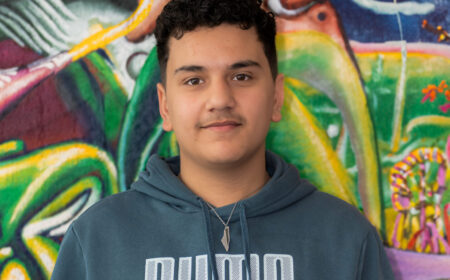
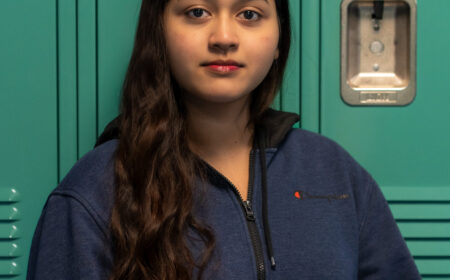
- Green Card Youth Voices: Immigration Stories from a Minneapolis High School – Ikrem Nuru’s video
- Appendix: Student Handouts
- Oromo images (see pictures here)
Connections to the 7 Cs of Ethnic Studies
- Cultivate: learning about the Oromo history, people, and language to provide opportunity for identity affirmation and healing
- Center: centering Oromo youth and their lived experiences navigating institutional structures as new immigrants
Instructions
Day 1 Warm-Up
- What do you already know about the Oromo people or language? Write one thing, or write “I don’t know yet” if you are not sure.
Ignite
- Have students Turn and Talk and complete the KWL chart (see attachment/appendix 1) by answering the question below:
- What do you know about the Oromo people and language?
Chunk 1
- Provide a short reading and analyze the text of “Oromo People, Culture, and Language” (see attachment/appendix 2) with students to help students understand the history, culture and language of the Oromo people.
- Use “3-2-1 Close Reading Strategy” (see attachment/appendix 3), an activity where students identify three interesting facts, two connections, and one question.
Chunk 2
- Have students watch Ikrem Nuru’s video
Exit Ticket
- Write ONE thing you learned today about the Oromo people or language.
“One thing I learned is ___.”
Day 2 Warm-Up
- What is one part of your identity that is important to you? It could be your language, your family, your culture, where you were born—anything. Write or draw it below.
Chew
- After watching the video, have students jigsaw together the timeline of events in chronological order from Ikrem Nuru’s story (see attachment/appendix 4).
- Have students create their own identity jigsaw puzzle by answering assorted themes/questions (see attachment/appendix 5).
- Event 1: Heritage and Roots
- Event 2: Major Changes
- Event 3: Challenges and Growth
- Event 4: Community and Belonging
- Event 5: Future Dreams
Review
- Have students share their identity jigsaw puzzle with a table partner. Afterward, ask them: What new information did you learn about your classmate?
- Then, have students complete the “What I Learned” column on the KWL chart.
Multilingual and ELL Support
- Provide visuals (see slides/attachments).
- Provide graphic organizers as student handouts.
- Provide sentence stems for written work and verbal share-outs / small group discussions.
- Annotate text using different colors for 3-2-1 close reading strategy.
Vocabulary and Definitions
- Boorana (Buh-RAH-nuh): one of the largest Oromo ethnic groups
- Barentu (Bah-REHN-too): branch of Oromo people
- Cushitic (Kuh-SHIT-ik): group of languages and peoples of the Horn of Africa
- Afaan: language
- Afaan oromo (AH-faan oh-ROH-moh): Oromo language
Resource List
- Book-Alamayyoo Haile, 2007
- The Oromo and the Christian Kingdom of Ethiopia, 1300–1700 by Mohammed Hassen
- Book – Hundasaa Waaq-woyya. 2013
- Partisan Discourse and Authentic History by Tabor Wami
- Oromo images https://docs.google.com/presentation/d/1K4aniJlR0OMvZZkDZT-LIHKTRxnoBA5Ah09EV0Tb758/edit
- Liberated Ethnic Studies Model Curriculum Values and Principles (7 Cs) https://drive.google.com/file/d/1cGOs7rsY9wT2qI-yIQh5dye8snRjGYxr/view
Appendix 1: KWL Chart
What do you know about the Oromo people and language?
| What I Know | What I Wonder | What I Learned |
Appendix 2: Oromo People, Culture, and Language (Student Text)
Who Are the Oromo People?
The Oromo are a large group of people from Ethiopia and the Horn of Africa. Made up of about fifty million people, they are the biggest group in Ethiopia and the third largest in all of Africa. While most live in East Africa, Oromo communities can now be found all over the world, including in Europe, Asia, and North America.
Family and History
- Ancestry: According to tradition, the Oromo come from two main branches called Borana and Barentu.
- Government: Long ago, they created a famous system for leading their society called Gadaa. It is so special that it is protected as a world treasure by UNESCO.
Language (Afaan Oromoo)
- Writing: Today, the Oromo language uses the Latin alphabet (the same letters used in English). It has thirty-three letters.
- School and News: Students can study the language all the way up to a doctor’s degree (PhD). You can also hear it on major news stations like the BBC.
- Tech: You can now use Google Translate for Oromo and use special Oromo keyboards on smartphones.
Why They Are Important
The Oromo people have a very long history of sharing their laws and stories through speech. Keeping their language alive helps them stay connected to their culture and feelings, no matter where they live in the world.
Appendix 3: 3-2-1 Close Reading Strategy (Student Handout)
After reading Appendix 2, students will complete the close reading strategy using three interesting facts, two connections, and one question.
| 3 Interesting Facts |
1) 2) 3) |
| 2 Connections |
1) 2) |
| 1 Question | 1) |
Appendix 4: Ikrem Nuru Jigsaw Puzzle (Student Handout)
After watching the video, have students jigsaw together the timeline of events in chronological order from the story of Ikrem Nuru in Green Card Youth Voices.
| Life in Asasa, Ethiopia |
| Ikrem grew up in a small house in Ethiopia with her mother and seven siblings. When she was four years old, her father left for Kenya and then the United States to work hard and send money back, so the family could buy a bigger home. |
| The Big News |
| After many years, Ikrem’s father sent for her brothers to move to America. Later, in 2011, he returned to Ethiopia and surprised Ikrem and her sister with their own visas, though they were sad to leave their mother and other sister behind. |
| The Journey to America |
| In 2012, Ikrem and her sister traveled to the United States. They actually missed their first flight because they were busy hugging their family goodbye, but they successfully caught a plane the very next day. |
| Arriving in a New World |
| When Ikrem arrived in Washington, DC, she was surprised by new things, like a talking computer she thought was a real person! She finally reunited with her father and brothers, who had grown so much she almost didn’t recognize them. |
| Goals for the Future |
| Today, Ikrem is a senior in high school and is studying biology. Her dream is to go to college and become a nurse so she can work in a hospital and give back to her parents for everything they did for her. |
Appendix 5: Student Identity Jigsaw Puzzle (Student Handout)
Think of three life events that are meaningful for you and shaped your identity.
For example,
- Event 1: Heritage and Roots
- Where and when you were born
- Event 2: Major Changes
- Your first day at a new school, the first time you spoke a new language, or the first time you experienced something new
- Event 3: Challenges and Growth
- A time you felt proud of your identity, even when things were difficult
- Event 4: Community and Belonging
- A moment you met someone who understood your story or felt a sense of belonging
- Event 5: Future Dreams
- A personal goal you want to achieve in the future
| Event 1: Heritage and Roots |
| [Describe the event here; use two to three complete sentences.] [Add or draw a picture of the event.] |
| Event 2: Major Changes |
| [Describe the event here; use two to three complete sentences.] [Add or draw a picture of the event.] |
| Event 3: Challenges and Growth |
| [Describe the event here; use two to three complete sentences.] [Add or draw a picture of the event.] |
| Event 4: Community and Belonging |
| [Describe the event here; use two to three complete sentences.] [Add or draw a picture of the event.] |
| Event 5: Future Dreams |
| [Describe the event here; use two to three complete sentences.] [Add or draw a picture of the event.] |
Unit 3: Healing and Future Building – The Gadaa System of Oromo Governance
Time Frame
-
1–2 class periods
Materials
-
Green Card Voices – Mikyas Woldemichael’s video
-
Appendix: Student Handouts
Connections to the 7 Cs of Ethnic Studies
-
Center: centering knowledge from Oromo community, elders, families, and lived experiences through the Gadaa system
-
Conceptualize: visioning, futurisms, world-building, hope, healing, and collective possibilities for Oromo/Ethiopian youth
Instructions
Day 1 Warm-Up Question:
-
Think about someone you look up to as a leader. What makes them a good leader? Write two to three sentences or draw a picture.
Ignite
-
Have students Turn and Talk with a partner, answering the question below:
-
What is a goal or hope that you have for the future?
Chunk 1
-
Introduce “What Is the Gadaa System?” to students and review (see attachment/appendix 1).
-
Have students complete the Ten Stages of the Gadaa System graphic organizer (see attachment/appendix 2).
Chunk 2
-
Have students watch Mikyas Woldemichael’s video.
Exit Ticket
-
Look at the Gadaa system stages. Which stage are you currently in? Write the stage’s name and one responsibility it entails.
– I am currently in the ___ stage. One responsibility of this stage is ___.
Day 2 Warm-Up Question
-
Think about Mikyas’s story. How did soccer help him heal and build a future? Write one to two sentences using what you remember from the video.
Chew
-
After watching the video, have students complete a short writing prompt answering the following questions:
-
Mikyas was thirty-two years old. Which stage in the Gadaa system represents him? How do you think he showed leadership?
-
Do you think soccer was important for Mikyas? How did it provide healing and future opportunities for his community?
-
What kind of leader do you want to be when you reach stage 5, Raaba Doorii (ages 32–40), in the Gadaa system?
Review
-
Have students pair-share the following questions:
-
Which stage in the Gadaa system do kids your age fall under?
-
What are some responsibilities and expectations at this stage?
-
How is this similar or different to your own responsibilities and expectations in your culture?
-
Exit Ticket
-
One thing I learned about the Gadaa system is ___. This connects to my own life because ___.
Multilingual and ELL Support
-
Provide visuals (see slides/attachments).
-
Provide graphic organizers as student handouts.
-
Provide sentence stems for written work and verbal share-outs / small group discussions.
Vocabulary and Definitions
-
Gadaa system: traditional political and governance system of the Oromo people
-
Abba Gadaa: the elected leader of the Oromo Gadaa system
-
Qondaala: the fourth stage of the Oromo Gadaa system (ages twenty-four to thirty-two), in which young adults serve as warriors and protectors of the community through rigorous training in combat, sports, and swimming.
-
Abba Duula: the father of war / commander in the Oromo Gadaa system
Resource List
-
-
Dirrib Damisse, 2007 Sirna Gadaa
-
-
The Oromo and the Christian Kingdom of Ethiopia, 1300–1700 by Mohammed Hassen
-
Partisan Discourse and Authentic History by Tabor Wami
-
Liberated Ethnic Studies Model Curriculum Values and Principles (7 Cs) https://drive.google.com/file/d/1cGOs7rsY9wT2qI-yIQh5dye8snRjGYxr/view
Appendix 1: What Is the Gadaa System? (Student Handout)
What Is the Gadaa System?
Think of Gadaa as a “shadow”—it follows the Oromo people everywhere and covers every part of their lives. It is a democracy where power is shared, and everyone has a role based on their age. It is so unique that global experts and UNESCO recognize it as a masterpiece of human culture.
The Five Leaders (The Government)
The Gadaa system is organized into federations, each with a leader who has a specific job, similar to a president and their cabinet.
-
Abbaa Gadaa: the top leader (like a prime minister), who oversees the whole nation
-
Abbaa Duulaa: the head of defense, who looks after safety and the military
-
Abbaa Sa’aa: the head of the economy, who manages natural resources like coffee and farming
-
Abbaa Caffe: the chairman of Parliament, who helps make the laws
-
Abbaa Seeraa: the head of justice, who makes sure everyone follows the law
The Ten Stages of Life in the Gadaa System
Stage 1: Dabballee (Ages 0–8)
Children at this age are considered “pure” and close to God because they have no sin. Their main job is to learn through play, riddles, and proverbs. This strengthens their minds and helps them learn about their family and nature.
Stage 2: Ittimakoo (Ages 8–16)
In this stage, kids learn traditional games, dances, and songs. They start learning their family history (genealogy) and how to count. They focus on developing good character, such as patience and kindness.
Stage 3: Fools / Great Gaammee (Ages 16–24)
Think of this as the “college” phase. Young people learn how to farm, ride horses, and take care of cattle. They also begin to practice military skills and celebrate their culture through song.
Stage 4: Qondaala (Ages 24–32)
This is the defense stage. These young adults train hard in sports, swimming, and combat (like using spears and shields). Their main responsibility is to protect the Oromo people and their resources from enemies.
Stage 5: Raaba Doorii (Ages 32–40)
This is the stage where adults train for leadership. They learn about law, history, and how to run a government. They also take on personal responsibilities, like getting married and building a home, to show they can manage a family before they manage a country.
Stage 6: Gadaa / Abbaa Gadaa (Ages 40–48)
This is the ruling stage. After years of training, people are elected to lead. The Abbaa Gadaa is the top leader. They are responsible for the entire nation’s politics and military for an eight-year term.
Stage 7: First Yuuba (Ages 48–56)
After their eight-year term as leaders ends, people move into an advisory role. One highly respected person is chosen as the Abbaa Bokkuu (president) to oversee fair elections and represent the nation at big meetings (like the African Union).
Stage 8 and 9: Second and Third Yuuba (Ages 56–72)
During these stages, the elders are given the title Hayyuu (scholar/expert). Their job is to teach the younger generations about Oromo culture and administration. They also act as peacemakers to help settle arguments.
Stage 10: Fourth Yuuba / Gadaamojjii (Ages 72–80)
These elders are the “professors” of the community. They have a lifetime of knowledge and are highly respected for their wisdom. They spend their time teaching, praying, and improving the lives of their people.
Key Summary
-
The Power of Eight: Each stage lasts exactly eight years.
-
Democratic Transition: Power is always passed to the next group; no one stays in charge forever.
-
Respect for Age: Every age group has a specific, important job that helps the whole community thrive.
Appendix 2: Ten Stages of the Gadaa System (Student Handout)
Complete the following graphic organizer on the ten stages of the Gadaa system.
|
Stage |
Age |
Name |
Draw a picture of the responsibilities that occur in this stage. |
|
1 |
|||
|
2 |
|||
|
3 |
|||
|
4 |
|||
|
5 |
|||
|
6 |
|||
|
7 |
|||
|
8–9 |
|||
|
10 |
Yuunitii 1ffa: Afaanii fii eenyuumma – Hiddaa Oromoo
Yeroo Murtaa’e
- Kutaa barnootaa lama kessatti
Meeshaalee Barnootaa
- Green Card Youth Voices: Immigration Stories from a Minneapolis High School – Ikrem Nuru Viidiyoo
- Dabalee: Hojjii Barattootaf
- Suuraa Oromoo (as ilaalii)
Connections to the 7 Cs of Ethnic Studies
- Cultivate: Seenaa, uummata, fi Afaan Oromoo barachuun eenyummaa fi fayyina cimsuu.
- Center: Dargaggoota Oromoo fi muuxannoo isaanii akka godaantoota haaraa irratti xiyyeeffachuu.
Qajeelfamoota:
Ignite (Kakaasuu)
- Barattoonni walitti haa’saaudhan KWL chartii haa guutan, gaafi kana deebisuudhan:
- Waa’ee ummata Oromoo fii Afaan Oromoo maal beekaa turtan?
Chunk 1 (Qindeessuu 1)
- Barreeffama “Ummataa Oromoo, Aadaa Oromoo fii Afaan Oromoo” (Dabalee 2 ilaali) barattoota waliin irra deemi, seenaa Oromoo, aada Oromoo fii Afaan Oromoo galuu isaanif.
- Tarsiimoo Dubbisaa 5-4-3-2-1 itti fayyadami (Dabalee 3 ilaali), hojii kun barattootaf jechoota barbaachisoo shan hiika isaanii wajjin, dhugaawwan afur, jechoota haaraa sadii, walitti dhufeenya lama, fi gaaffii tokko argachuu.
Chunk 2 (Qindeessuu 2)
- Barattoonni vidiyoo kana ni laalan: Viidiyoo Ikrem Nuru.
- Barattoonni viidiyoo laaluu booda, taateewwan viidiyoo keessatti argan fii dhaga’an yeroo isaani qindeessanii tartiibaatiin haa barressan.. Kaardii taateewwanii wal makamee barattootaaf kennuu ni danda’ama.
Chew (Xiinxaluu)
- Barattoonnii garee 2ffa yookan 4ffa keessatti, gaafii armaan gaditti haa deebisan:
- Ikrem magaala ___ dhalatte, biyya _____ keessatti
- Isiin USAtti bara ____ dhufte
- Galma isii ____ ta’uf
- Kana booda, baratoonnii gaafii hubannoof wa’ee seenaa Ikrem Nuru haa guutan.(see attachment/appendix 4).
Irra Deebi’u
- Baratonnii gaafii armaan gaditti wal haa gaafatan:
- Afaan meeqa haasofta?
- Afaanoonni sun maali
- Afaanoonni sun eenyumaa keetif akkamitti dhiibbaa qaban?
- Barattoonnii taateewwaan eenyumaa jireenya isaani barata waliin haa qoodan. (see attachment/appendix 5).
- Yeroo wal qooduun hogga fixee booda, barattoonnii gaafii armaan gaditti haa deebisan:
- Waan haaraa wa’ee hiriyaa kutaa kee maal baratte?
- Isaan wajjin walitti dhufeenya akkamitti uumuu dandeesse?
- Gaafii tokkoo isaanif maal qabda?
- Dhumurratti, barattoonnii kutaa “Waanan baradhe” KWL chartii irra haa guutan
Deeggarsa Afaanii
- Mul’ata kennu (see slides/attachments).
- Meeshaalee yaada qindeessan kennuu
- Jalqaboota himaa kennuu hojjii barreeffamaa fi ha’saauuf.
- Halluu waliin, barrefamaa irra deemu for 5-4-3-2-1 close reading strategy.
Jechootaa fi Hiika Isaanii
- Boorana (Buh-RAH-nuh): Gareewwan Oromoo keessaa isa guddaa tokko.
- Barentu (Bah-REHN-too): Garee ummata Oromoo
- Cushitic (Kuh-SHIT-ik): Garee afaanotaa fi uummattoota Gaanfa Afrikaa.
- Afaan: Afaan
- Afaan oromo (AH-faan oh-ROH-moh): Afaan Oromoo
Tarree Maddalee Barnootaa
- Kitaaba-Alamayyoo Haile, 2007
- The Oromo and the Christian Kingdom of Ethiopia, 1300–1700 by Mohammed Hassen
- Kitaaba – Hundasaa Waaq-woyya. 2013
- Partisan Discourse and Authentic History by Tabor Wami
- Suuraa Oromoo (as ilaali)
- Liberated Ethnic Studies Model Curriculum Values and Principles (7 Cs) https://drive.google.com/file/d/1cGOs7rsY9wT2qI-yIQh5dye8snRjGYxr/view
Dabalee 1: Chartii KWL
Waa’ee ummata Oromo fii Afaan Oromo maal beekta?
| Waanan Beeku | Waanan Yaadu | Waanan Baradhe |
Dabalee 2: Ummataa Oromoo, Aadaa Oromoo fii Afaan Oromoo (Hojii Barattootaf)
Ummata Oromoon eenyu?
Ummata Oromoon ummata gudda, Itoophiyaa irra fii gaanfa Afrikaa irra. Nama nannoo miliyooni shantama jiran, Itoophiyaa keessatti isaanii garee hunda irra guddadha, Afrikaa keessattilee sadarkaa sadaffaa irrati argama, ummata Hawusaa fii Fuula hordofuun. Irra caalaan, isaanii Afrikaa baha keessa jiraatani, garuu hawaasni Oromoo addunyaa kana irra biyya gosa gosa jiran, biyya Awurooppaa, Eshiyaa fii Ameerikaa Kaabaattilee.
Ummata Oromoon naamota afaan Kushii haasa’an irra dhufan. Yeroo dheeraa irra, ummata Oromoon Sirna Gadaa ijaaran, Sirna Gadaa kun ummata Oromoo ni bulchisa akkasumas ni qindeessa. Sirna Gadaa kun waan adda ta’eef, UNESCO’n akka qabeenya Addunyaa ta’e eegumsaa jiran.
Hiddaa Maatii
Aadaa Oromoon akkuma jedheeti, ummata Oromoon ilma Borana fii ilma Barentuudha.
- Booranaa ilma kudha lama qaba ture, akka gareewwaan Wollagga, Sidamo fii Guji irra.
- Bareentuun ilma shan qaba ture, kan abbootii gareewwaan akka Arsii, Ituu fii Karrayyuuf ta’ame.
Afaan Oromoo
Afaan Oromoon seenaa Afrikaaf barbaachisa ni ta’a. Waggoota dhibba dhibbaadhaf, ummata Oromoon afaan Oromoo ha’saaudhan sirboota, seera fii aadaa dabarsaa turan.
Barreessuu fii Qubee Afaan Oromoo
Afaan Oromoon Akaataatii barrefamu ture yeroo wajjin jijiirama ture.
- 1800s: Afaan Oromoon Afaan Arabaatin barreefama ture
- 1991 irra hanga yeroo ammatti: Afaan Oromoon Qubee laatin fayyadamu eegalee (akkuma Afaan Ingiliizii)
Afaan Oromoon Qubee sodomii sadii qaba. Dubbachiiftuu gabaaboo shanii akkuma Afaan Ingiliizii ni qaba (A, E, I, O, U). Akkasumas Qube dachaa (Ch, Dh, Ph, Ny, Sh, fii Ts) sagalee addaf ni qaba.
Barnootaa fii Miidiyaa keessa
Yeroo amma, Afaan Oromoon afaan ogummadha kan bakka adda addattin jireenya kessati fayyadamu ni argama.
- Mana barumsaa kessaa: Afaan Oromoon afaan barnoota mana barumsaa daa’immanii irra hanga sadarkaa yuuniversitiitti fayyadamu ni argama. Barattoonnii PhDilee Afaan Oromootin argachuu ni danda’an.
- Oduu kessaa: Erga bara 1991 irra, buufataalee televijiini fii raadiyoo afaan Oromootiin tamsaasa turan. Buufata mootummaa akkuma OBN fii ETV, akkasumas oduu addunyaa akkuma BBC fii VOA.
- Teknooloojii keessaa: Afaan Oromoon yeroo dijitaalaa kessaa seenee jira. Amma Afaan Oromoon Hiikkaa Guugilii irratti fayyadamuu dandeessa. Akkasumas kiiboordii fii sooftiweerota bilbila harkaa Afaan Oromoof ni jira.
Maalif Barbaachisoo Ta’e
Afaan dhaloota mana barumsaa kessatti fayyadamuun barattoota akka gaariitti baratan ni gargaara, akkasumas eenyummaa isaani wajjin akka walitti hidhatan taasisa. Namoonnii biyya haaraatti godaananif, akka Ikrem Nuru, afaan isaani eenyummaa isaani wajjin wal qabsiisa. Afaani jechoota qofa miti; miira, seenaa fi aadaa ibsuuf gargaara.
Dabalee 3: Tarsiimoo Dubbisaa 5-4-3-2-1 (Hojii Barattootaf)
Dabalee 2 dubbisu booda, barattoonni tarsiimoo dubbisaa kana guutan: jecha barbaachisoo shan hiika isaani wajjin, dhugaawwan afur, jecha haaraa sadii, walitti dhufeenya lama fii gaafii tokko.
| Jechoota Barbaachisoo Shan Fii Hiikaa Isaanii | 1) 2) 3) 4) 5) |
| Dhugaawwan afuur | 1) 2) 3) 4) |
| Jechoota haaraa sadii | 1) 2) 3) |
| Walitti dhufeenya lama | 1) 2) |
| Gaafii tokkoo | 1) |
Dabalee 4ffa: Gaafii hubannoof seenaa Ikrem Nuru irra (Waraqaa Barattootaf)
Viidiyo ilaaluu booda, barattoonnii taateewwan seenaa Ikrem Nuru irra tartiitaatin haa guutan.
| 1. Jireenya Ikrem Nuru Asasa, Itophiiyaa kessatti ibsi |
| 2. Ikrem abbaa isii irra oduu guddaa maal dhageesse? Haadha fii obboleettii issi dhiistee deemuun Ikrem irratti akkamitti dhiibbaa isiitti geessisee yaaddan? |
| 3. Imala Ikrem gara Ameerikaatti ibsi. Yeroo Ameerikaa dhufu isii maal mudate? Afaan haaraa (Ingiliffaa) barachuun Ikremiif jabaa ture? Maaliif? Ikrem yeroo Ameerikaatti dhufte akkamitti miiraa keessaa of ta’uu fii eenyummaa argatte? |
| 4. Galma Ikrem fuulduraaf qabdu ibsi. Maaliif baayoloojii barachuu barbaddi? Kun akkamitti warra isiitif deebii gaarii kennuu ta’a jettee yaaddan? |
Dabalee 5ffa: Taatee Eenyumma Jireenya (Hojii Barattootaf)
Taateewwan jireenya shan, kaa eenyumaa kee ijaare yaadaa.
Fakkenyaaf,
- Taatee 1: Dhaala fii hidda dhaloota
- Bakka fii gizee dhalatte
- Taatee 2: Jijiirama gurguddaa
- Yeroo mana barumsa haaraa jalqabde, yeroo afaan haaraa haasofte, yeroo jalqabaaf waan haara yaalte
- Taatee 3: Qormaataa fi guddina
- Yeroo eenyuma keeti irra boonte, yeero rakkina keessalee
- Taatee 4: Hawaasa fi Ofi ta’u
- Yeroo nama ka seenaa kee fi wa’ee keeti hubatee
- Taatee 5: Abdii Fuulduraf
- Galma kaa fuulduratti itti ga’u barbadduu
| Taatee 1: Dhaala fii hidda dhaloota |
| [Taatee kana ibsaa; himoota guutuu afur hanga jahaatti barreessaa.] |
| Taatee 2: Jijiirama gurguddaa |
| [Taatee kana ibsaa; himoota guutuu afur hanga jahaatti barreessaa.] |
| Taatee 3: Qormaataa fi guddina |
| [Taatee kana ibsaa; himoota guutuu afur hanga jahaatti barreessaa.] |
| Taatee 4: Hawaasa fi Ofi ta’u |
| [Taatee kana ibsaa; himoota guutuu afur hanga jahaatti barreessaa.] |
| Taatee 5: Abdii Fuulduraaf |
| [Taatee kana ibsaa; himoota guutuu afur hanga jahaatti barreessaa.] |