



Unit 1: Identity and Language – Hmong Identity and Language
Time Frame
- 1–2 class periods
Materials
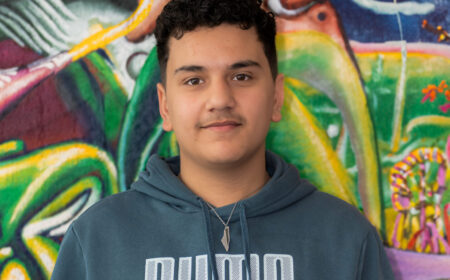
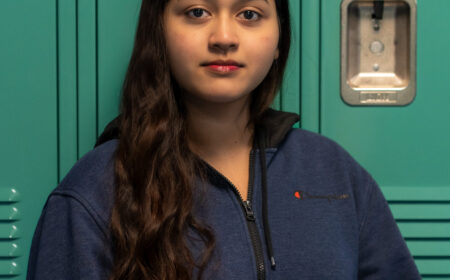
- Green Card Youth Voices: Immigration Stories from a St. Paul High School – Iya Xiong’s story and video
- T-Chart
Connections to the 7 Cs of Ethnic Studies
- Cultivate: learning about the Hmong history, people, and language to provide opportunities for identity affirmation and healing
- Celebrate: using Hmong counter-stories and community narratives through storytelling
Instruction (ICCR)
Ignite: Language
Write on the board:
Nyob zoo. Kuv lub npe hu ua . . .
(Hello. My name is . . .)
Ask students if anyone recognizes the language or can read it. Call on a few to guess or read it out loud. Ask students to raise their hands if they speak a language other than English at home.
Turn and Talk
Imagine if you were to move to a new country where no one speaks, reads, or understands your language. How would you tell them who you are? How would you tell your story?
- Ask a few students to share out loud with the class.
Chunk: Oral Tradition
Introduce the Hmong people as an ethnic minority group out of China who migrated throughout much of Southeast Asia. The CIA recruited Hmong to help with the Secret War in Laos, and as a result, many Hmong had to flee Laos into refugee camps in Thailand. Today, Hmong are scattered throughout the United States, with a massive presence in California, Minnesota, and Wisconsin. The Twin Cities are home to the largest concentration of Hmong. The Hmong identity has been shaped by a fight to retain their language and culture.
- Briefly explain the Hmong journey: China -> Laos -> Refugee Camps -> US
- Define “oral tradition”: history passed down by mouth, usually through storytelling, songs, or cultural practices, rather than reading through books.
Turn and Talk
When in school, students learn history by reading textbooks. Why is oral history just as important as textbooks?
- Ask for a few students to share out loud with the class.
Chunk: Hmong RPA
- Explain Hmong RPA (Roman Popular Alphabet), the most common Hmong writing system today. It was developed in the 1950s by French missionaries. RPA are the ABC’s that we know, but the Hmong written version just sounds different.
- Briefly explain that Hmong is a tonal language with eight tones. The final letter in a written Hmong word is usually not pronounced; it indicates the tone or vocal pitch, and each word has its own meaning.
- Show the students the word Hmoob (Hmong). Explain to them that the “b” at the end is silent; it is a tone marker, tells you only to say the word with the high tone, and acts like a musical note.
Turn and Talk
What might happen if you didn’t say the word Hmoob with a high tone, and instead said it with a lower or mid tone? How does language influence or affect one’s oral history?
- Ask a few students to share out loud.
Chew: Iya Xiong’s Story and Activity
- Provide a short excerpt from “Iya Xiong” from Green Card Youth Voices: Immigration Stories from a St. Paul High School, using the middle of page 3 to 4.
- Read the passage of Iya’s experience in America out loud to the class, and have them follow along.
T-Chart Activity
- Provide students with a T-Chart labeled Barriers on one side and Bridges on the other.
- Barrier – On this side of the chart, have students find and write about Iya’s experiences that made her feel lonely, confused, different, or challenged.
- Bridge – On this side of the chart, have students find and write about Iya’s experiences that made her feel proud, connected to her family, or positive.
- Students should identify at least 3-5 barriers and bridges each.
Group Discussion/Share
- How does Iya’s story add to the history of Minnesota?
Review: 3-2-1 Exit Ticket
On a slip of paper (regular notebook paper or sticky notes) or a digital form, students must write and turn in:
- Three things they learned about Hmong history or the language
- Two reasons why storytelling is important
- One question they still have about Hmong culture
Multilingual and ELL Support
- Provide sentence stems for class discussion and discourse.
- Provide students with the T-Chart.
Vocabulary and Definitions
- Oral tradition: history passed down by mouth, usually through storytelling, songs, or cultural practices, rather than reading through books
- Romanized Popular Alphabet (RPA): the Hmong reading and writing system that uses the same letters found in English
Resource List
- Green Card Youth Voices: Immigration Stories from a St. Paul High School – Iya Xiong’s story and video
- What is Hmong Oral Tradition? www.mochimag.com/arts-culture/hmong-oral-tradition
- What is Hmong RPA? www.hmongrpa.org
- Hmong History Timeline www.mnhs.org/hmong/hmong-timeline
- Liberated Ethnic Studies Model Curriculum Values and Principles (7 Cs) https://drive.google.com/file/d/1cGOs7rsY9wT2qI-yIQh5dye8snRjGYxr/view

الوحدة الاولى: الهوية و اللُغة
المواد التَعليمية
– أصوات الشباب البطاقة الخضراء- قصص الهجرة من مدرسة ثانوية في مدينة فارجو
Video: https://youtu.be/nEf6__5WsT8
Story: https://drive.google.com/file/d/1V7I60kYyHn4oUnzpxS2FanKVCkqxceJV/view?usp=drive_link
– قلم التظليل – هايلايتر
– قلم و دفتر مُلاحظات
– ورقة المُفردات و التَعريفات
الارتباط بمباديء الدراسات العِرقية
تعزيز و تنمية قيم التَعاطُف، و بناء مُجتمع داعِم، و المُحافظة على الهوية و الثقافة، و تَعزيز تَقدير الذات، و تَمكين الأفراد من تَقرير مَصيرهم، و دعم الرفاهية الشاملة لجميع المُشاركين، معَ الاهتمام بشكل خاص بالشعوب الأصلية والأشخاص من مُختلف الخلفيات العرقية و الإثنية.
التَعليمات
اليوم الاول : الهوية، و اللُغة، و الخلفية الثقافية العراقية
التَمهيد: إعرض وسائل الايضاح البصرية التالية:
– خريطة العراق.
– مَوقع بَغداد على الخَريطة.
– صِور لِعائِلات عراقية، و مدارس، و مَشاهِد من الحياة اليومية في العراق.
قدم نَبذة مُختَصرة :
– العراق بَلَد عربي.
– يتحدث مُعظم سُكان العراق اللُغة العربية.
– تتحدث بعض المُجتمعات أيضاً اللُغة الكُردية و لُغات أُخرى.
– توجد لَهجات عربية مُختلفة في أنحاء العالم العَربي.
نَشاط الكتابة السَريعة: أُطلب من الطُلاب الاجابة عن أحد الأسئلة التالية:
– ما اللُغات التي تُشَكل جُزءاً من هويتك؟
– متى شَعَرتْ أنكَ تَنتمي إلى مكان أو مجموعة؟ و مَتى شَعرت بعَدم الانتماء؟
– ماذا تَعلَمت عن الثقافة العراقية؟
– ما الذي فاجأكَ و أثارَ إهتمامك؟
– كيفَ تُساعد اللُغة الناس الحفاظ على ارتباطهم بثقافتهم و عائلاتهم؟
بَعدَ الانتهاء، أطلب من الطُلاب أن يُشاركوا إجاباتهم معَ زميل.
تَقديم المُفردات:
قَبل مُشاهدة فيديو آشتي، وَزِع على الطُلاب ورقة المُفردات و التَعريفات. ثم راجع معهم كل المُفردات من خلال شرح معناها، و مُناقشة مثال يوضح إستخدامها، و الاجابة عن السؤال الذي يُساعد على التفكير المُرتبط بها. أطلب من الطُلاب الاحتفاظ بورقة المُفردات على مكاتبهم خلال جميع أنشطة الدرس لاستخدامها عند الحاجة.
الخلفية الثقافية:
يَقَع العراق في الشرق الاوسط، و يتميز بتاريخ عريق و حضارة تَمتَد لآلاف السنين. و تُعد بغداد، المدينة التي وُلِدَتْ فيها آشتي، عاصمة العراق، و هيَّ من أقدم المُدُن المأهولة في العالم. و يَضُم العراق تَنوعاً كبيراً من المَجموعات العِرقية و الدينية، و من أبرزها العرب و الأكراد.
الاكراد هُم مجموعة عِرقية لهم لُغتهم الخاصة، و هي اللُغة الكُردية، كما يتميزون بثقافة وعادات وتقاليد خاصة بهم. و يَعيش مُعظم الاكراد في شمال العراق، بالاضافة إلى مناطق في تركيا و إيران و سوريا. و قَد إنتقَلت العديد من العائلات العراقية و الكُردية إلى الولايات المُتحدة بصفتها لاجئة أو مُهاجرة، هرباً من الحروب أو العنف أو الاضطهاد السياسي. و تَضُم ولاية مينيسوتا و مدينة فارجو و في داكوتا الشمالية جاليات عراقية وكردية كبيرة، و قَد أسهَمَتْ هذهِ الجاليات في إثراء المُجتمع الأمريكي من خلال ثقافتها، و لُغاتها، و أطعمتها، و موسيقاها، و قيمها وتقاليدها باللُغة الكُردية. و تَحمل الاسماء في الثقافتين العراقية و الكُردية غالباً معاني عميقة ، إذ يعني إسم ( آشتي) السلام، و يرتبط الاسم بتاريخ العائلة، أو القيم التي تؤمن بها، أو الآمال التي يحملها الوالدان لأبنائهم في المُستقبل.
مُشاهدة قصة آشتي: بعدَ مُشاهدة الفديو أُطلب من الطُلاب التفكير ثُم كتابة جُملة واحدة للاجابة عن أحد الاسئلة التالية:
– ما اللُغات التي تُشَكل جُزءاً من هويتك؟
– متى شَعَرت بأنكَ تنتمي إلى مكان أو مجموعة؟ و متى شعرت بعدم الانتماء؟
– ماذا تعلمت عن الثَقافة العراقية؟
– ما الذي فاجأكَ أو أثارَ إهتمامك؟
– كيفَ تُساعد اللُغة الناس على الحفاظ على ارتباطهم بثقافتهم و عائلاتهم؟
بطاقة الخروج:
إكتُب شيئاً واحداً تَعلَمتَهُ اليوم عن الثقافة العراقية، أو اللُغة، أو الهوية
اليوم الثاني : قصة آشتي، الهوية و الانتماء
مُراجعة و تمهيد: مناقشة سريعة مع زميل
– ماذا تتذكر من قصة آشتي.
– ما التحديات اللُغوية التي واجهتها؟
– ماذا تعلمت أمس عن العراق أو عن الثقافة العراقية؟
قراءة و تحليل قصة آشتي:
إبدأ بمُراجعة المُفردات، ثُم إقرأ قصة آشتي معَ الصف كامِلاً، أو أطلب من الطُلاب قراءتها بشكل مُستقِل. أثناء القراءة، توقف عند بعض الفقرات لإتاحة الفُرصة للطُلاب لتدوين المُلاحظات و مُناقشة الافكار:
– أطلب من الطُلاب تمييز ( التعليق على ) الاجزاء في النص التي تُساعدهم على الاجابة عن الاسئلة التالية:
– تَذكُر قصة آشتي أن العراق/بغداد كانا غير آمنين. ما الأدلة والإشارات في النص التي تُساعدك على استنتاج سبب شعورهم بعدم الأمان؟
– ما الاشياء التي ربما فقدتها آشتي أو اضطرت الى تركها خلفها؟ و كيف يُمكن أن يكون ذلك قد أثر في هويتها أو شعورها بالانتماء؟
– ما التحديات اللُغوية التي واجهتها آشتي عندما انتقلت إلى الولايات المُتحدة؟
– كيف أثرت هذهِ التحديات اللُغوية في هويتها و شعورها بالانتماء؟
– لماذا تُعد اللُغة جزءاً مهماً من الثقافة؟
– ما الجوانب في هوية آشتي التي بقيت كما هي بعد انتقالها؟-
– و ما الجوانب التي تغيرت في حياتها؟
المُناقشة : مُناقشة مع شريك:
يتبادل الطُلاب الأفكار حول الهوية، و اللُغة، والانتماء، مع الاستناد إلى أدلة من النص لدعم أفكارهم. و يستخدمون المُلاحظات التي دونوها أثناء قراءة النص لُمساعدتهم عند النقاش.
أدوار النقاش:
– الطالب ( أ) يتحدث لمُدة دقيقة واحدة مُستخدماً أدلة من النص لدعم أفكارهِ.
– الطالب (ب) يستمع باهتمام، ثُم يرد على ما سَمِعَهُ ويضيف أفكارهُ الخاصة.
بعد ذلك يتبادل الطالبان الأدوار. إحرص على أن يستخدم كل طالب مُفردة واحدة على الأقل من قائمة المُفردات أثناء النقاش.
بدايات الجُمل:
– إستناداً إلى الأدلة والتفاصيل الواردة قي قصة آشتي، أستنتج أن العراق/ بغداد ربما كان يمر ب ———–، مما أدى الى الشعور ب ———————–.
– تذكر قصتها ان المكان لم يكُن آمناً، ومن الأدلة التي تُشير إلى ذلك ———————————
– من المُحتمل أن آشتي تركت خلفها ———————، و قد أثر ذلكَ في هويتها من خلال—————–
– تحدي اللُغة الذي واجهتهُ آشتي كان ———————————————————————
– واجهت صعوبة في ————————– عندما جاءت الى الولايات المُتحدة
– ربما أثرت هذه التحديات في هويتها من خلال ———————————
– و قد أثرت في شعورها بالانتماء بسبب————————————
– ساعدت اللغة آشتي على التواصل مع ———————————-
– أحد الجوانب التي تُشكل هوية آشتي هيّ ——————————-
– غَيّرَّ الانتقال الى بلد جديد ——————————————-
– لكنهُ لم يتغير ————————————————-
المُنظم البياني
انشيء مُنظم بياني مُكون من أربعة أقسام ( أربعة مُربعات أو أرباع ) لمُساعدة الطُلاب على تنظيم أفكارهم و دعم المُناقشة
|
تَذكُر قصة آشتي أن العراق/ بغداد كانا غير آمنين. ما الأدلة والإشارات في النص التي تُساعدك على استنتاج سبب شعورهم بعدم الأمان؟ |
ما الاشياء التي ربما فقدتها آشتي أو اضطرت الى تركها خلفها؟ و كيف يُمكن أن يكون ذلك قد أثر في هويتها أو شعورها بالانتماء؟ |
|
ما التحديات اللُغوية التي واجهتها آشتي عندما انتقلت إلى الولايات المُتحدة؟ |
كيف أثرت هذهِ التحديات اللُغوية في هويتها و شعورها بالانتماء؟ |
التأمُل في الهوية
إختر سؤالاً واحداً و أجب عنه:
– كيفَ شكلت اللُغة هوية آشتي؟
– كيفَ أثرَ إنتقال آشتي الى بلد جديد في شعورها بالانتماء؟
– ما الجوانب في هوية آشتي التي بقيت كما هي بعد انتقالها؟
– كيفَ حافظَت آشتي على إرتباطها بثقافتها و عائلتها؟
بدايات الجُمل للتأمُل و التفكير:
– أحد الجوانب التي تُشكل هوية آشتي هو—————————–
– شكلت اللُغة هوية آشتي من خلال ———————————-
– أثرَ انتقالها الى بلد جديد فيها بسبب ——————————–
– حافظت آشتي على ارتباطها بثقافتها من خلال ———————
– أعتقد أن الهوية ترتبط باللُغة بسبب ——————————
مهمة الكتابة:
الخطة: إشرح كيف أسهمت اللُغة، و الثقافة، و التجارب في تشكيل هوية آشتي و شعورها بالانتماء. إستخدم مثالين من النص لدعم إجابتك.
بناء أو تسلسُل الاجابة:
1- الفكرة الرئيسية————————
2- دليل من النص————————
3- الشرح ——————————-
بطاقة الخروج: أكتب كلمة واحدة أو إجابة واحدة للاجابة عن أحد السؤالين التاليين:
1-كيف شكلت اللُغة هوية آشتي و شعورها بالانتماء؟
2-تُظهر قصة آشتي أن اللُغة و الهوية و الانتماء مُترابطة بسبب —————————-
دعم الطُلاب مُتعددي اللُغات و مُتعلمي اللُغة الانكليزية
– قدم نموذجاً لكيفية إستخدام بدايات الجُمل الواردة في الدرس.
– إعرض فيديو آشتي مع ترجمة أو عناوين فرعية بلُغة الطُلاب الام، كبديل عن قراءة النص.
– وفر نُسخة مُترجمة من قصة آشتي بلُغة الطُلاب الأم لمُساعدتهم فهم سياق القصة.
– أسمح للطُلاب في المُستوى المذكور أدناه إكمال الجمل من خلال ملأ الفراغات بدلاً من كتابة إجابات كاملة.
قائمة المصادر:
Green Card Youth Voices: Immigration Stories from a Fargo High School
Ashti’s Story: https://drive.google.com/file/d/1V7I60kYyHn4oUnzpxS2FanKVCkqxceJV/view?usp=drive_link
Ashti’s Video: https://youtu.be/nEf6__5WsT8
معلومات توضح سبب خطورة الاوضاع في العراق خلال الفترة التي هاجرت فيها آشتي و عائلتها ( لاستخدام المعلم فقط) :
منهج الدراسات العرقية التحررية:
https://drive.google.com/file/d/1cGOs7rsY9wT2qI-yIQh5dye8snRjGYxr/view
ورقة المُفردات و التعريفات
|
السؤال التحليلي |
المثال |
التعريف |
المفردة / الكلمة |
|
ماذا يعني أن تُصبح قُدرة الشخص على التحدُث بلُغتين سبباً يجعلهُ مُستَهدَفاً؟ |
كان والد آشتي يعمل مُترجماً شفهياً مع الجيش الامريكي، و عملهُ هذا عرضَ أسرتهُ كلها للخطر و قد يكون العمل في مجال الترجمة اللُغوية مصحوباً بمخاطر كبيرة. |
شخص يُترجم الكلام أو لُغة الاشارة بين شخصين أو أكثر بشكل فوري، و يعمل غالباً كحلقة وصل بين الثقافات و الأنظمة المُختلفة |
المُترجم الشفهي |
|
هل يستطيع الآخرون تحديد هويتك بدلاً منك ؟ و ماذا يحدث عندما يُحاولون ذلك؟ |
الهوية ليست ثابتة فقد تتغير وتتطور بحسب المكان الذي يعيش فيه الإنسان، و المُجتمع الذي ينتمي إليه، و العوامل المؤثرة في حياتهِ. |
مجموعة الصفات والعوامل الشخصية و الثقافية و الاجتماعية و التاريخية التي تُكوِن شخصية الإنسان، مثل العِرق و الأصل و اللُغة، و الدين و الجنس و التجارب، التي مَرَ بها في حياتهِ. |
الهوية |
|
ماذا يحدث لثقافة مُجتمع ما عندما يتعرض للاستعمار، أو التهميش أو تُجبر على الاندماج في ثقافة آُخرى مُهيمنة؟ |
الثقافة ليست شيئاً ثابتاً، فهي تتطور و تتغير معَ مرور الزَمَن. |
مَجموعة العادات و القيم و المُعتقدات ، و اللُغة، و الفنون، و التقاليد التي يشترك فيها أفراد مُجتمع مُعين. التي تشكلت عبر التاريخ و المكان و تجارب الحياة و تنتقل من جيل إلى آخر. |
الثقافة |
|
متى يكون التحدي مُشكلة فردية ؟ و متى يكون نتيجة لمُشكلة في المُجتمع أو النظام؟ |
بعض التحديات شخصية، بينما تنتج تحديات أُخرى عن أنظمة مثل العنصرية أو الفقر أو صعوبة اللُغة. |
عَقَبة أو صعوبة شخصية أو مُجتمعية تحتاج إلى الصبر و الجهد و التخطيط لتجاوزها و قد تكون نتيجة عوامل إجتماعية أو سياسية أو اقتصادية خارجة عن إرادة الفرد. |
التحدي |
|
من الذي يُحدد أي لُغة تُعد أكثر قيمة أو مكانة في المُجتمع؟ |
اللُغة ليست مُجرد وسيلة للكلام، بل هي أيضاً وسيلة للتفكير، و حفظ الذكريات و الشعور بالانتماء. |
نظام مُنظم للتواصل يستخدم الكلمات أو الأصوات أو الرموز للتعبير عن الأفكار، و الحفاظ على الثقافة و نقل المعرفة بين الأجيال. |
اللُغة |
|
ما الانظمة أو العوامل التي تجعل بعض الأشخاص يشعرون بأنهم لا ينتمون الى المُجتمع ؟ |
يرتبط الشعور بالانتماء بعلاقات القوة في المُجتمع، فبعض الأشخاص يشعرون بأنهم مُرحب بهم، بينما يشعر آخرون بالاقصاء أو الاستبعاد. |
الشعور النفسي و الاجتماعي بأن الشخص مقبول و مُقَدَر و لهُ مكان داخل مُجتمع أو مجموعة |
الانتماء |
|
ما الفرق بين أن يختار الإنسان الاندماج بنفسهِ، أو يُجبر عليه؟ |
اضطرت آشتي إلى تعلم اللُغة الانكليزية و التكيف مع الثقافة الامريكية حتى تتمكن من العيش والنجاح. فهل كان ذلك إختياراً حراً أم ضرورة فرضتها الظروف؟ |
عملية يتبنى فيها الفرد أو المجموعة لُغة و ثقافة و عادات و قيم المجتمع، و قد يحدث ذلك بأختيار الشخص أو نتيجة للضغوط و الإكراه. |
الاندماج الثقافي |
|
كيف تعكس طريقة تعامل المجتمع مع اللاجئين قيمه و مبادئه؟ |
اللاجئون لا يختارون مُغادرة أوطانهم ، بل يُجبرون على ذلك. و من المُهم فهم هذا الفرق عند مناقشة قضايا الهجرة و اللجوء. |
شخص اضطر إلى مُغادرة بلدهِ بسبب الحرب أو الاضطهاد، أو العنف و لا يستطيع العودة إليه بأمان. |
اللاجيء |

الوحدة الاولى: الهوية و اللغة
الفترة الزمنية
حصتان دراسيتان
المواد
1-كتاب ” أصوات شباب البطاقة الخضراء: قصص الهجرة من مدرسة فاركو الثانوية-قصة آشتي محمد علي و الفديو الخاص بها.
Story: https://drive.google.com/file/d/1V7I60kYyHn4oUnzpxS2FanKVCkqxceJV/view?usp=drive_link
Video: https://youtu.be/nEf6__5WsT8
قلم تظليل ( هايلايتر) -2
قلم و كُراسة ُمُلاحظات ( دفتر مُلاحظات ) -3
– مَنشور مُفردات و تعريفات 4
الارتباط بمبادئ الدراسات العرقية ( 7Cs)
1-التنمية : و تعني التَعرُف الى تاريخ الامريكيون العرب، و أفراد مُجتمعهُم و لُغتَهُم ، بما يوفر فُرَصاً لتَعزيز الهوية و دَعم التَعافي و الشَفاء.
2-الإحتفاء : الاحتفاء بالقصص التي يرويها الامريكيون العرب عَن أنفسهم و التي تُصَحح الصور النَمطية، إلى جانب قصص المُجتَمَع، من خلال فَن روايَة القصص.
التَعليمات
اليوم الاول : الهوية، اللُغة، و بناء المَعرفة السابقة
التَمهيد : نَشاط تَفاعُلي/ تَواصُلي
إعرض صورتين لطُلاب يَتَحدثونَ أكثر من لُغة، و صورَتين أو مَشهدين يوضحان تَحديات التَواصُل داخل الصف الدراسي.
إسأل الطُلاب:
– ما اللُغة التي تَتَحدَثُها في المَنزل؟
– متى تَشعثر بالانتماء؟
– كيفَ سَيكون شُعورك إذا لَم يَتَمَكن الاّخرون من فَهم لُغتك؟
فَكر و تَحدث مَعَ زَميلَك
إستَخدم بدايَة الجُملة التالية:
سَأشعُر ب—————– بسبب —————–
– إدعُ طالبين او ثلاثة لمُشارَكَة إجاباتهم مَعَ الصَف.
– أكتُب على السبورة الكلمات التي تُعَبر عَن المَشاعر، مثل: ( مُحبَط ، خائف ، غير مَرئي ( أشعُر بأنني غير مَلحوظ ) ، فَخور ، مُرتَبك ، مُتَحَمس )
– أخبر الطُلاب : “اليوم سَنتَعَرف على شابَة تُدعى آشتي ، و تَرتَبط قصتها بالعديد من هذه المَشاعر.”
مُقَدمة المُفرَدات
– وَزع وَرَقة المُفرَدات و التَعريفات على الطُلاب قَبلَ مُشاهَدَة فديو آشتي.
– راجع كُل كَلمة مَعَ تَعريفها و المثال المُرفَق بها.
– أطلُب من الطُلاب الاحتفاظ بوَرَقة المُفردات على مَكاتبهم خلال القيام بجميع الانشطة.
خُطوات تَقديم المُفردات :
1- أنطق الكلمة بصَوتٍ واضِح تُم أطلُب من الطُلاب تكرارَها.
2-إقرَأ تَعريف الكَلِمة مُستَخدِمَاً كَلِمات بَسيطة و سَهلة الفَهم.
3-قَدِم مِثالاً منَ الحياة اليَومية يوَضح مَعنى الكَلِمة.
4-أطلب من الطُلاب أن يَتَحَدَث كُل منهُم مَعَ زَميلَهُ وَ يَشرَح مَعنى الكَلِمة بأسلوبهِ الخاص.
الخلفية الثقافية
يقع العراق في مَنطَقة الشَرق الاوسَط ، وَ يَتَمَيز بتاريخ عَميق وَ قَديم . و تُعد بَغداد، المدَينة التي وُلِدَت فيها آشتي ، عاصمة العراق ، و هي من أقدم المُدُن في العالَم. و يضَمْ العراق العَديد من المجموعات العرقية و الدينية، من بينها العرب و الكُرد.
الشَعب الكُردي هوَ مَجموعة عرقية لها لُغتها الخاصة ( اللُغة الكُردية) و ثقافتها المُمَيزة ، و يعيش مُعظَم أفرادهِ في شمال العراق و تُركيا و إيران و سوريا. و قَد إنتَقَلَت العَديد من العائلات العراقية و الكُردية الى الولايات المُتَحدة الامريكية كلاجئين أو مُهاجرين ، هرباً من العُنف أو الحروب أو الاضطهاد السياسي.
وَ تَضم ولاية مينيسوتا و مُدُن مثل فاركو و داكوتا الشمالية جاليات عراقية و كُردية كبيرة . و قَد أسهَمَتْ هذهِ الجاليات في إثراء المُجتَمَع الامريكي من خلال ما حَمِلَتهُ مَعها من تقاليد ثقافية غنية، و لُغات مُتنوعة ، و أطعمة و موسيقى ، و قيم إجتماعية.
إسم ( آشتي ) يعني ” السَلام” باللُغة الكُردية . و غالباً ما تَحمل الاسماء في الثقافة العراقية و الكُردية مَعاني عَميقة تَرتَبط بتاريخ الاُسرة ، أو القيَم التي تُؤمن بها ، أو ألآمال التي تَتَطلَع إاليها للمُستَقبَل.
الجُزء الاول : نشاط الفهم ( المُشاهَدة و الاستماع )
– إعرض فديو آشتي عَلى الطُلاب
أخبر الطُلاب أن يُشاهدوا الفديو دونَ كتابة أي مُلاحظات ، و أن يُركزوا فقط على فهم القصة:
أوقف الفديو و أسأل أسئلة تكون إجابتها ب ( نعم / لا ) :
-هَل كانت آشتي تَتَحدَث أكثَر من لُغة ؟ ( نعم / لا )1
-هَل كانَت اللُغة سَهلة بالنسبة لها في البداية ؟ ( نعم / لا )2
-هل أثَرَتْ اللُغة في مَشاعرها؟ ( نعم / لا )3
نَشاط إختياري : فديو لبناء الخَلفية الثقافية قَبل القِراءة-
قبلَ قراءة قصة آشتي ، أعرض فديو قَصير ( من 3-5 دقائق ) يَتناول جانباً منَ الثَقافة العراقية أو الكُردية ، أو التَقاليد الاسرية ، أو اللُغة ، أو الحَياة اليَومية ، و ذلكَ لِمُساعَدَة الطُلاب على بِناء مَعرفة سابقة تَدعَم فهمَهُم للِقصة.
أمثلة على مَقاطِع الفديو :
– التقاليد الاسرية العراقية أو الكردية
Video: (https://www.youtube.com/watch?v=wgyBqgFwksg)
– تجارب التَحدُث بأكثر من لُغة
– الكرم العَربي و الحَياة المُجتَمعية
– تَجارُب الهجرة و تَشكيل الهوية
بطاقة الخروج
أجب عن السؤالين التاليين :
1- ما هي إحدى الطُرُق التي تَرتبط بها اللُغة بالهوية؟
2- مالشيء الذي تَعَلَمتَهُ عَن الثَقافة العراقية أو الكُردية ، أو عَن تَجربة التَحدُث بأكثر من لُغة؟
اليوم الثاني: قصة آشتي و التَأمُل في الهَوية
مُراجَعة تَمهيدية
مُراجَعة سَريعة معَ زَميل :
– ماذا تَتَذكر من قصة آشتي؟
– ما التَحديات التي واجَهتها؟
الجزء الثاني : نَشاط القراءة و المُنظم البياني
– إقرَأ قصة آشتي مَعَ الصَف بإكملهِ ، أو أطلُب من الطُلاب قراءتها معَ شَريك.
– إرسم جَدول المُنظم البياني عَلى السَبورة كما هو موَضَح أدناه ، ثُمَ إملأهُ بإستخدام كَلمات أو عبارات قَصيرة.
– أكمل مثالاً واحداً مَعَ الطُلاب أولاً ، ثُمَ أطلب منهم إكمال بَقية الجدول بشكل مُسَتقل.
|
النتيجة |
الفعل ( التَصرُف) |
التَحديات |
المُناقشة : نَشاط تَفاعُلي ( الحَديث معَ زَميل )
أسئلة للنقاش معَ الزَميل
– ما التَحدي اللُغوي الذي واجَهتهُ آشتي؟
– كيفَ شَعَرتْ تجاه اللُغة؟
– لماذا تُعَد اللُغة جُزءاً من الهوية؟
– كيفَ حافَظت آشتي على إرتِباطِها بالثَقافة العراقية و بِعائلتها؟
بدايات الجُمل
– شَعَرت آشتي ب————- عندما أستخدمت———– لُغة.
– اللُغة جُزء من الهوية لان ——————
– قف – شارك – بَدل.
– الثَقافة العراقية مُهمة بالنسبة لآشتي بسبب ————-
– أشعُر بالارتباط بهويتي عندَما ——————-
قف – شارِك- بَدِل
بعد إنتهاء المُناقشة معَ الشَريك ، نفذ نَشاط ” قف – شارك – بدل “.
– يَقف الطُلاب و يتشارَكون فكرة واحدة من مُناقشتهم معَ شَريك جَديد.
– ثُمَ يُغيرون الشَريك و يُشاركون فكرة مُختلفة.
– بَعدَ ذلك، يَعود الطُلاب الى مَقاعدهم و يَكتب كُل منهم جُملة سمعها من أحد زُملائهِ و يرغب في تَذكرها.
يُمكن للطُلاب أن:
– يُناقشوا الافكار معَ زُملائهم.
– يَرسموا رسومات تُعَبر عَن أفكارهم.
– يكتبوا إجابات قَصيرة.
– يُشاركوا أفكارَهم شفهياً أمام الآخرين.
أسئلة مُقترحة للنقاش
– ما اللُغة التي تَسمَعها في المَنزل؟
-ما الاطعمة التي تُذكرُكَ بعائلتك أو مُجتمعك؟
-ما التَقاليد المُهمة في مَنزلك؟
-ما الموسيقى أو الملابس أو الاحتفالات التي تُعَد مُهمة في ثَقافتك؟
المُراجعة : نَشاط التَعبير ( الكتابة أو الرسم)
يُمكن للطُلاب إختيار الكتابة ، أو الرسم، أو المُشاركة الشَفهية لإظهار مدى فهمهم.
الخيار ( أ ) : الكتابة ( كتابة قصيرة)
بدايات الجُمل:
– تتحدث آشتي ————-
– تَجعلُها اللُغة تَشعُر ب ————-
– تَعَلَمَت أنَ الهوية هيَّ —————
الخيار ( ب) : الرسم معَ كتابة جُملة
– إرسم مَشهَداً واحداً من قصة آشتي.
– أكتُب جملة واحدة أسفل الرَسم تَصف المَشهَد أو توضح فكرتَهُ.
رَبط الدرس بخبرة الطالب الشخصية
يُشَجَع الطُلاب على رَبط ما تَعلَموهُ بتجاربهم الشخصية من خلال الاجابة عَن الاسئلة التالية:
– هل تتحدث أكثر من لُغة؟
– متى تَشعُر بأنك مُندَمج ومشمول؟ و متى تَشعُر بأنكَ مُستَبعَد أو غير مُندَمج؟
بطاقة الخروج ( دقيقتان )
يُجيب الطالب عن السؤال التالي :
-شيء واحد تَعَلمتَهُ اليوم عَن الهوية أو اللُغة أو الانتماء——————-
———————————————————————————————————————
دَعم الطُلاب مُتعددي اللُغات و مُتعلمي اللُغة الانكليزية
– إستخدام الصور و الوسائل البَصرية.
– تَوفير بدايات للجُمل لمُساعدة الطُلاب على الاجابة.
– إتاحَة العمل معَ شريك .
– قبول الاجابات الشفهية.
– السماح للطُلاب بالرسم بدلاً من كتابة إجابات طويلة.
– يتأكد المُعلم من فهم الطُلاب قبل الانتقال الى الكتابة المُستَقلة.
– يُمكن للطُلاب تقديم إجابات شفهية قبل كتابة إجاباتهم.
قائمة المَصادر
-Green Card Youth Voices: Immigration Stories from a Fargo High School
قصة و فديو آشتي محمد علي:
Video: https://youtu.be/nEf6__5WsT8
Story: https://drive.google.com/file/d/1V7I60kYyHn4oUnzpxS2FanKVCkqxceJV/view?usp=drive_link
– معلومات عن بغداد و العراق.
– المفوضية السامية للامم المُتحدة لشؤون اللاجئين
www.unrefugees.org/emergencies/iraq
– فديو عن الثقافة الكردية /العراقية:
www.youtube.com/watch?v=wgyBqgFwksg
– قيم و مبادئ منهج الدراسات العرقية التحرري :
https://drive.google.com/file/d/1cGOs7rsY9wT2qI-yIQh5dye8snRjGYxr/view
منشور المُفردات و التعريفات
|
مثال |
التعريف |
المُفردة |
|
أن تَشعُر بان من حولك يُرحبون بكَ و يفهمونك. |
الشعور بأنك مقبول و مُقدَّر، و إنك جزء من مَجموعة أو مُجتَمَع |
الانتماء |
|
إسمكَ و لُغتكَ، و ثقافتكَ، و عائلتك، كُل ذلكَ يُعد جُزءاً من هويتك. |
مجموعة من الصفات و المُعتقدات و الخبرات و التاريخ التي تجعل الشخص مُمَيزاً كما هوَ |
الهوية |
|
الاطعمة التي تتناولها أسرتك، و الاعياد التي تحتفل بها، و اللُغة التي تتحدثُها في المَنزل. |
أسلوب حياة مُشترك يشمل العادات و التقاليد و الطعام و اللُغة و المُعتقدات. و ينتقل من جيل الى جيل. |
الثقافة |
|
تَعَلُم لُغة جديدة في بلد جديد قد يكون تَحدياً. |
صعوبة أو مُشكلة تحتاج الى جُهد للتغلُب عَليها |
التَحدي |
|
العربية، و الكُردية، و الانجليزية، و الاسبانية ، و الاورومية، و الهمونغ، و غيرها |
مجموعة من الكلمات أو الاصوات أو الرموز التي يَستَخدمُها الناس للتواصُل و مُشاركة الافكار معَ بَعضهم البعض. |
اللُغة |
|
إسم آشتي يعني السلام باللُغة الكُردية |
الكلمة أو اللَقَب الذي يُستَخدَم للتعريف عن الشخص، و غالباً ما يحمل تاريخاً عائلياً أو معنىً خاصاً. |
الاسم |
|
أن تَشعُر بالفَخر عندما يَعترف ألآخرون بثقافتكَ و يُقدرونَها. |
إحساس داخلي ، مثل الفخر أو الحُزن أو الحَماس ، ينشَأ إستجابَةً لتَجربة أو لموقف. |
الشُعور |
Unit 1: Identity and Language – Identity Through Language: Ashti’s Story
Time Frame
- 2 class periods
Materials
- Green Card Youth Voices: Immigration Stories from a Fargo High School – Ashti Mohamed Ali’s story and video
- Highlighter
- Pencil and Notebook
- Vocabulary and Definitions Handout
Connections to the 7 Cs of Ethnic Studies
- Cultivate: learning about how Arab American history, people, and language provide opportunities for identity affirmation and healing
- Celebrate: using Arab American counter-stories and community narratives through storytelling
Instruction (ICCR)
Day 1 – Identity, Language, and Background Knowledge
Ignite: Interactive/Interpersonal Activity
Show two visuals of multilingual students and classroom communication challenges.
- Ask students:
- What language do you speak at home?
- When do you feel like you belong?
- How would you feel if people could not understand your language?
Turn and Talk
Use sentence starter: “I would feel ___ because ___.”
- Invite two or three students to share with the class.
- Write key feeling words on the board (frustrated, scared, invisible, proud, confused, excited).
Tell students: Today we are going to meet a young woman named Ashti, whose story is connected to many of these feelings.
Vocabulary Introduction
Distribute the Vocabulary and Definitions Handout before watching Ashti’s video. Review each word and example. Students should keep the handout on their desks during all activities.
- Say the word aloud; students repeat.
- Read the definition in simple words.
- Give a real-life example.
- Students turn and tell a partner what the word means in their own words.
Cultural Background
Iraq is a country in the Middle East with a rich and ancient history. Baghdad, where Ashti was born, is the capital city and one of the oldest cities in the world. Iraq is home to many different ethnic and religious groups, including Arabs and Kurds.
The Kurdish people are an ethnic group with their own language (Kurdish) and culture, found primarily in northern Iraq, Turkey, Iran, and Syria. Many Iraqi and Kurdish families came to the United States as refugees or immigrants, often fleeing violence, war, or political persecution. Minnesota and cities like Fargo, North Dakota have significant Iraqi and Kurdish communities. These communities have brought rich cultural traditions, languages, food, music, and values to the United States.
The name Ashti (آشتی) means peace in Kurdish. Names in Iraqi and Kurdish culture often carry deep meaning connected to family history, values, or hopes for the future.
Chunk: Interpretive Activity (Viewing/Listening)
Watch Ashti’s video. Tell your students to watch without writing, and just focus on understanding the story.
- Pause and ask yes/no questions:
- Did Ashti speak more than one language? (Yes / No)
- Was language easy for her at first? (Yes / No)
- Did language affect how she felt? (Yes / No)
- Optional cultural connection video before reading:
- Show a short video (3-5 minutes) connected to Iraqi/Kurdish culture, family traditions, language, or daily life experiences to help students build background knowledge before reading Ashti’s story.
Examples:
- Iraqi/Kurdish family traditions (https://www.youtube.com/watch?v=wgyBqgFwksg)
- Multilingual experiences
- Arab hospitality and community life
- Immigration and identity experiences
Exit Ticket
- What is one way language connects to identity?
- What is one thing you learned about Iraqi/Kurdish culture or multilingual experiences?
Day 2 – Ashti’s Story and Identity Reflection
Warm-Up Review
Quick partner review:
- What do you remember about Ashti’s story?
- What challenges did she face?
Chunk: Reading & Organizer Activity
Read Ashti’s story together or with a partner.
Draw the graphic organizer chart on the whiteboard as seen below, then fill it out using words or short phrases. Complete one example together as a class before students work independently.
| Challenge | Action | Outcome |
Chew: Interpersonal Activity (Partner Talk)
Partner Questions
- What language challenge did Ashti have?
- How did language make her feel?
- Why is language part of identity?
- How did Ashti stay connected to Iraqi culture and family?
Sentence Stems
- Ashti felt ___ when she used ___ language.
- Language is part of identity because . . .
- Stand – Share – Switch
- Iraqi culture is important to Ashti because . . .
- I feel connected to my identity when . . .
Stand – Share – Switch
After partner discussion, do a Stand–Share–Switch:
- Students stand up and share one idea from their discussion with a new partner.
- Switch partners and share a different idea.
- Return to seats and write one sentence they heard from a classmate that they want to remember.
Students may:
- discuss with partners
- draw
- write short responses
- orally share ideas
Example questions:
- What language do you hear at home?
- What foods remind you of family/community?
- What traditions are important in your home?
- What music, clothing, or celebrations are important in your culture?
Review: Presentational Activity (Writing or Drawing)
Students may choose writing, drawing, or oral sharing to show understanding.
Option A: Writing (Short)
Sentence starters:
- Ashti speaks . . .
- Language makes her feel . . .
- I learned that identity is . . .
Option B: Drawing + Sentence
- Draw one moment from Ashti’s story.
- Write one sentence below the picture.
Student Personalization
Students connect to their own experiences:
- Do you speak more than one language?
- When do you feel included or left out?
Exit Ticket (2 minutes)
Student answers:
- One thing I learned today about identity, language, or belonging is . . .
Multilingual and ELL Support
- Visuals and pictures
- Sentence frames
- Partner support
- Oral answers accepted
- Drawing instead of long writing
- Teachers check for understanding before independent writing
- Optional oral responses before written responses
Resource List
- Green Card Youth Voices: Immigration Stories from a Fargo High School – Ashti Mohamed Ali’s story and video
- Background Context on Baghdad, Iraq
- Liberated Ethnic Studies Model Curriculum Values and Principles (7 Cs) https://drive.google.com/file/d/1cGOs7rsY9wT2qI-yIQh5dye8snRjGYxr/view

Yuunitii 3: Fayyinaa fi Fuuldura Ijaaruu – Sirna Gadaa
Yeroo Murta’e
- Kutaa barnootaa lama kessatti
Meeshaalee Barnootaa
- Green Card Voices – Viidiyo Mikyas Woldemichael
- Dabalee: Hojii Barattootaf
- Oromo Lesson Slides
Walitti Dhufeenya “7 Cs of Ethnic Studies” Wajjin
- Center: Sirna Gadaatiin beekumsa hawaasa Oromoo, jaarsolii, maatii, fi muuxannoo jireenyaa irratti xiyyeeffachuu.
- Conceptualize: Dargaggoota Oromoo fi Itoophiyaa keessattif abdii, fayyinaa, fuuldura, fi carraalee irratti yaadu
Qajeelfamoota:
Guyyaa 1ffa
Ignite (Kakaasuu):
Gaafii Jalqabaa: Nama akka geggeessaatti kabajdu tokko yaadi. Maaltu isaan geggeessaa gaarii taasisa? Himaa lama yookan sadii barreesii, yookan suura kaasi.. Barattoonni walitti haa’saaudhan, gaafii armaan gaditti kana haa deebisan:
- Galmaa yookaan abdii fuulduraf maal qabda?
Chunk 1 (Qindeessuu 1)
- Barreefamaa “Sirna Gadaan Maali?” barattootatti garsisii (Dabalee 1 ilaali).
- Barattoonnii sadarkaa Sirna Gadaa kudhanii fakkii yaada qindeessu irra haa guutan (Dabalee 2 ilaali).
Chunk 2 (Qindeessuu 2)
- Baratoonni Vidiyoo Mikyas Woldemichael haa laalan.
Gaafii Xumuraa
- Sadarkaa Sirna Gadaa ilaalaa. Sadarkaa kam kessaa jirta? Maqaa sadarkaa sun barresii, itti gaafatamummaa isa tokkoo barresii.
- Sadarkaa ___ kessan jira. Itti gaafatamummaa tokkoo sadarkaa kanarra ____.
Guyyaa 2ffa
Gaafii Jalqabaa:
Waa’ee seenaa Mikyas itti yaadaa. Kuubbaa miilaa fayyuu isa fii fuuldura ijaaruu akkamii isa gargaaree? Himaa tokkoo yookan lama waliin waan yaadattan viidiyoo irra barressaa.
Chew (Xiinxaluu)
- Viidiyoo ilaaluu booda, barattonnii gaafii armaan gaditti haa deebisan:
- Mikyas umrii isa sodomii lama ta’e. Gadaa kessaa sadarkaa kami jira? Geggeessumma akkami garsiisee?
- Mikyasif kuubbaa miila taphachuu waan barbaachisaa isaaf ture? Kuubaa miilaa faayyinaa fii carraa fuuldura hawaasa isaatif akkamiitti kennee?
- Sadarkaa 5, Raaba Doorii (umrii 32 irra – 40tti) yeroo itti ga’u keessanii, geggeessaa akkam ta’u barbaaddan?
Irra Deebi’u
- Barattoonnii gaafii armaan gaditti wal haa qoodan:
- Ijoollee akka umrii keeti Sirna Gadaa kessatti sadarkaa kam jiran?
- Umrii kanattii itti gaafatamummaa maal fakkata?
- Waan kun aadaa kee kessatti akkam tokkoo yookan adda ta’e?
Gaafii Xumuraa
- Sirna Gadaa irraa waan tokkoo waanan baradhe ___. Kun jireenya koo wajjin wal hidhamiinsa qaba, sababnii isaas___.
Deeggarsa Afaanii
- Mul’ata kennu (see slides/attachments).
- Meeshaalee yaada qindeessan kennuu
- Jalqaboota himaa kennuu hojjii barreeffamaa fi ha’saauuf.
Jechootaa fii Hiikaa Isaanii
- Gadaa system: Sirna siyaasa fii mootummaa ummata Oromoof.
- Abba Gadaa: Geggeessaa filatame Sirna Gadaa kessaatti.
- Qondaala: Sadarkaa 4ffa Sirna Gadaa kessatti, umrii diigdamii afuur irra hanga sodomii lamatti. Dargaggonni kun tiksitoota hawaasaa ta’u. Isaani loluu, ispoortii fi daakuu ni leenjisan.
- Abba Duula: Ajajaa waraanaa Sirna Gadaa keessatti.
Tarree Maddalee Barnootaa
- Dirrib Damisse, 2007 Sirna Gadaa
- The Oromo and the Christian Kingdom of Ethiopia, 1300–1700 by Mohammed Hassen
- Partisan Discourse and Authentic History by Tabor Wami
- Liberated Ethnic Studies Model Curriculum Values and Principles (7 Cs) https://drive.google.com/file/d/1cGOs7rsY9wT2qI-yIQh5dye8snRjGYxr/view
Yuunitii 1ffa: Afaanii fii Eenyummaa – Hiddaa Oromoo
Yeroo Murtaa’e
- Kutaa barnootaa lama kessatti
Meeshaalee Barnootaa
- Green Card Youth Voices: Immigration Stories from a Minneapolis High School – Ikrem Nuru’s Viidiyo Ikrem Nuru
- Dabalee: Hojii Barattootaf
- Suuraa Oromoo (as ilaalii)
Walitti Dhufeenya “7 Cs of Ethnic Studies” Wajjin
- Cultivate: Waa’ee seena Oromo, ummata Oromo fii Afaan Oromo barachuu carra ijooleef eenyumaa isaani barachuu ni danda’ama.
- Center: Muxannoo dargaggoota Oromo biyya haaraa kessa galuu akka godaantotaatti
Qajeelfamoota
Guyyaa 1ffa
Ignite (Kakaasuu)
Waa’e ummata Oromoo fii Afaan Oromoo maal beeka turtan? Waan tokko barressii. “Ammatti an hin beeku” barressii yoo ammatti hin beekne. Barattoonni walitti haa’saaudhan KWL chartii haa guutan, gaafi kana deebisuudhan:
- Waa’e ummata Oromoo fii Afaan Oromoo maal beekaa turtan?
Chunk 1 (Qindeessuu 1)
- Barreeffama “Oromo People, Culture, and Language” barattoota waliin irra deemi, seenaa Oromo, aada Oromo fii Afaan Oromo galuu isaanif.
- “Tarsiimoo dubbisaa 3-2-1” (Dabalee 3 ilaali) itti fayyadami. Barattoonnii dhugaawwan sadii, walitti dhufeenya lama, fii gaafii tokkoo adda baasu.
Chunk 2 (Qindeessuu 2)
- Barattoonni vidiyoo kana ni laalan: Viidiyoo Ikrem Nuru
Gaafii Xumuraa
- Har’a waa’e ummata Oromo yookan afaan Oromo waan baratte tokko barreesii.
- “Waanan baradhe tokko ___.”
Guyyaa 2ffa
Gaafii Jalqabaa: Waan eenyumaa keeti irra tokkoo maaltu barbaachisoo ta’e? Afaan kee, maatii kee, aada kee, fii bakka dhaloota kee ta’u danda’a. As jala barresii yookan suura kaasi.
Chew (Xiinxaluu)
- Vidiyoo laalu booda, have students jigsaw together the timeline of events in chronological order from Ikrem Nuru’s story (see attachment/appendix 4).
- Barattoonnii gaafii adda adda deebisuun paazilii eenyumaa isanii haa qopheessan. (Dabalee 5ffa ilaali)
- Taatee 1: Dhaala fii hidda dhaloota
- Taatee 2: Jijiirama gurguddaa
- Taatee 3: Qormaata fi guddina
- Taatee 4: Hawaasa fi Ofi ta’u
- Taatee 5: Abdii Fuulduraf
Irra Deebi’u
- Barattoonnii paazilii eenyummaa isaanii barata waliin haa qoodan. Achi booda, gaafii kana itti gaafadhu: Waan haaraa wa’ee hiriyaa kutaa keeti maal baratte?
- Barattoonnii “Waanan Baradhe” KWL Chartii irra haa guutan
Deeggarsa Afaanii
- Mul’ata kennu (islaayidoota fii meeshaalee barnootaa ilaali).
- Meeshaalee yaada qindeessan kennuu
- Jalqaboota himaa kennuu hojjii barreeffamaa fi ha’saauuf.
- Halluu waliin, barrefamaa irra deemu for 3-2-1 close reading strategy.
Jechootaa fi Hiika Isaanii
- Boorana (Buh-RAH-nuh): Gareewwan Oromoo keessaa isa guddaa tokkoo.
- Barentu (Bah-REHN-too): Garee ummata Oromoo
- Cushitic (Kuh-SHIT-ik): Garee afaanotaa fi uummattoota Gaanfa Afrikaa.
- Afaan: Afaan
- Afaan oromo (AH-faan oh-ROH-moh): Afaan Oromoo
Tarree Maddalee Barnootaa
- Kitaaba-Alamayyoo Haile, 2007
- The Oromo and the Christian Kingdom of Ethiopia, 1300–1700 by Mohammed Hassen
- Kitaaba – Hundasaa Waaq-woyya. 2013
- Partisan Discourse and Authentic History by Tabor Wami
- Suuraa Oromoo https://docs.google.com/presentation/d/1K4aniJlR0OMvZZkDZT-LIHKTRxnoBA5Ah09EV0Tb758/edit
- Liberated Ethnic Studies Model Curriculum Values and Principles (7 Cs) https://drive.google.com/file/d/1cGOs7rsY9wT2qI-yIQh5dye8snRjGYxr/view

Yuunitii 1ffa: Afaanii fii Eenyummaa – Hiddaa Oromoo
Yeroo Murtaa’e
- Kutaa barnootaa lama kessatti
Meeshaalee Barnootaa
- Green Card Youth Voices: Immigration Stories from a Minneapolis High School – Ikrem Nuru Viidiyoo
- Dabalee: Hojjii Barattootaf
- Suuraa Oromoo (as ilaalii)
Walitti Dhufeenya “7 Cs of Ethnic Studies” Wajjin
- Cultivate: Seenaa, uummata, fi Afaan Oromoo barachuun eenyummaa fi fayyina cimsuu.
- Center: Dargaggoota Oromoo fi muuxannoo isaanii akka godaantoota haaraa irratti xiyyeeffachuu.
Qajeelfamoota
Ignite (Kakaasuu)
- Barattoonni walitti haa’saaudhan KWL chartii haa guutan, gaafi kana deebisuudhan:
- Waa’ee ummata Oromoo fii Afaan Oromoo maal beekaa turtan?
Chunk 1 (Qindeessuu 1)
- Barreeffama “Ummataa Oromoo, Aadaa Oromoo fii Afaan Oromoo” (Dabalee 2 ilaali) barattoota waliin irra deemi, seenaa Oromoo, aada Oromoo fii Afaan Oromoo galuu isaanif.
- Tarsiimoo Dubbisaa 5-4-3-2-1 itti fayyadami (Dabalee 3 ilaali), hojii kun barattootaf jechoota barbaachisoo shan hiika isaanii wajjin, dhugaawwan afur, jechoota haaraa sadii, walitti dhufeenya lama, fi gaaffii tokko argachuu.
Chunk 2 (Qindeessuu 2)
- Barattoonni vidiyoo kana ni laalan: Viidiyoo Ikrem Nuru.
- Barattoonni viidiyoo laaluu booda, taateewwan viidiyoo keessatti argan fii dhaga’an yeroo isaani qindeessanii tartiibaatiin haa barressan.. Kaardii taateewwanii wal makamee barattootaaf kennuu ni danda’ama.
Chew (Xiinxaluu)
- Barattoonnii garee 2ffa yookan 4ffa keessatti, gaafii armaan gaditti haa deebisan:
- Ikrem magaala ___ dhalatte, biyya _____ keessatti
- Isiin USAtti bara ____ dhufte
- Galma isii ____ ta’uf
- Kana booda, baratoonnii gaafii hubannoof wa’ee seenaa Ikrem Nuru haa guutan.(see attachment/appendix 4).
Irra Deebi’u
- Baratonnii gaafii armaan gaditti wal haa gaafatan:
- Afaan meeqa haasofta?
- Afaanoonni sun maali
- Afaanoonni sun eenyumaa keetif akkamitti dhiibbaa qaban?
- Barattoonnii taateewwaan eenyumaa jireenya isaani barata waliin haa qoodan. (see attachment/appendix 5).
- Yeroo wal qooduun hogga fixee booda, barattoonnii gaafii armaan gaditti haa deebisan:
- Waan haaraa wa’ee hiriyaa kutaa kee maal baratte?
- Isaan wajjin walitti dhufeenya akkamitti uumuu dandeesse?
- Gaafii tokkoo isaanif maal qabda?
- Dhumurratti, barattoonnii kutaa “Waanan baradhe” KWL chartii irra haa guutan
Deeggarsa Afaanii
- Mul’ata kennu (islaayidoota fii meeshaalee barnootaa ilaali).
- Meeshaalee yaada qindeessan kennuu
- Jalqaboota himaa kennuu hojjii barreeffamaa fi ha’saauuf.
- Halluu waliin, barrefamaa irra deemu for 5-4-3-2-1 close reading strategy.
Jechootaa fi Hiika Isaanii
- Boorana (Buh-RAH-nuh): Gareewwan Oromoo keessaa isa guddaa tokko.
- Barentu (Bah-REHN-too): Garee ummata Oromoo
- Cushitic (Kuh-SHIT-ik): Garee afaanotaa fi uummattoota Gaanfa Afrikaa.
- Afaan: Afaan
- Afaan oromo (AH-faan oh-ROH-moh): Afaan Oromoo
Tarree Maddalee Barnootaa
- Kitaaba-Alamayyoo Haile, 2007
- The Oromo and the Christian Kingdom of Ethiopia, 1300–1700 by Mohammed Hassen
- Kitaaba – Hundasaa Waaq-woyya. 2013
- Partisan Discourse and Authentic History by Tabor Wami
- Suuraa Oromoo (as ilaali)
- Liberated Ethnic Studies Model Curriculum Values and Principles (7 Cs) https://drive.google.com/file/d/1cGOs7rsY9wT2qI-yIQh5dye8snRjGYxr/view
Unit 1: Identity and Language – Roots of Oromo
Time Frame
- 2 class periods
Materials
- Green Card Youth Voices: Immigration Stories from a Minneapolis High School – Ikrem Nuru’s video
- Appendix: Student Handouts
- Oromo images (see pictures here)
Connections to the 7 Cs of Ethnic Studies
- Cultivate: learning about the Oromo history, people, and language to provide opportunity for identity affirmation and healing
- Center: centering Oromo youth and their lived experiences navigating institutional structures as new immigrants
Instruction (ICCR)
Day 1 Warm-Up
- What do you already know about the Oromo people or language? Write one thing, or write “I don’t know yet” if you are not sure.
Ignite
- Have students Turn and Talk and complete the KWL chart (see attachment/appendix 1) by answering the question below:
- What do you know about the Oromo people and language?
Chunk 1
- Provide a short reading and analyze the text of “Oromo People, Culture, and Language” (see attachment/appendix 2) with students to help students understand the history, culture and language of the Oromo people.
- Use “3-2-1 Close Reading Strategy” (see attachment/appendix 3), an activity where students identify three interesting facts, two connections, and one question.
Chunk 2
- Have students watch Ikrem Nuru’s video
Exit Ticket
- Write ONE thing you learned today about the Oromo people or language.
- “One thing I learned is ___.”
Day 2 Warm-Up
- What is one part of your identity that is important to you? It could be your language, your family, your culture, where you were born—anything. Write or draw it below.
Chew
- After watching the video, have students jigsaw together the timeline of events in chronological order from Ikrem Nuru’s story (see attachment/appendix 4).
- Have students create their own identity jigsaw puzzle by answering assorted themes/questions (see attachment/appendix 5).
- Event 1: Heritage and Roots
- Event 2: Major Changes
- Event 3: Challenges and Growth
- Event 4: Community and Belonging
- Event 5: Future Dreams
Review
- Have students share their identity jigsaw puzzle with a table partner. Afterward, ask them: What new information did you learn about your classmate?
- Then, have students complete the “What I Learned” column on the KWL chart.
Multilingual and ELL Support
- Provide visuals (see slides/attachments).
- Provide graphic organizers as student handouts.
- Provide sentence stems for written work and verbal share-outs / small group discussions.
- Annotate text using different colors for 3-2-1 close reading strategy.
Vocabulary and Definitions
- Boorana (Buh-RAH-nuh): one of the largest Oromo ethnic groups
- Barentu (Bah-REHN-too): branch of Oromo people
- Cushitic (Kuh-SHIT-ik): group of languages and peoples of the Horn of Africa
- Afaan: language
- Afaan oromo (AH-faan oh-ROH-moh): Oromo language
Resource List
- Book-Alamayyoo Haile, 2007
- The Oromo and the Christian Kingdom of Ethiopia, 1300–1700 by Mohammed Hassen
- Book – Hundasaa Waaq-woyya. 2013
- Partisan Discourse and Authentic History by Tabor Wami
- Oromo images https://docs.google.com/presentation/d/1K4aniJlR0OMvZZkDZT-LIHKTRxnoBA5Ah09EV0Tb758/edit
- Liberated Ethnic Studies Model Curriculum Values and Principles (7 Cs) https://drive.google.com/file/d/1cGOs7rsY9wT2qI-yIQh5dye8snRjGYxr/view

Unidad 1: Identidad y lenguaje: La identidad a través de los cuentos
Periodo de tiempo
- 1-2 períodos de clase
Materiales
- Green Card Youth Voices: Historias de inmigración de una escuela secundaria de Minneapolis– Alexandra Irrazábal historia y video
- Diapositivas
Conexiones con las siete C’s de los Estudios étnicos
- Cultivar: aprender cómo la historia mexicana y latina, la gente y el idioma brindan oportunidades para la afirmación de la identidad y para poder sanar.
- Celebrar: utilizando contrahistorias mexicanas y latinas y narrativas comunitarias a través de la narración de cuentos.
Instrucción
Día 1
Encender: Introducción/Inicio (Diapositiva 1)
Pregunta de calentamiento: ¿Cuándo fue la última vez que te contaron un cuento?
¿De qué se trataba el cuento?
- Escribe en un cuaderno (2-3 minutos)
- Habla con un compañero de clase y comparte su experiencia (2-4 minutos)
- Compártelo con la clase; elige a unos estudiantes para compartir (2-3 minutos)
Fragmentar: Entendiendo las Historias
Las historias como una manera de autoconocimiento y del mundo que nos rodea (diapositiva 2)
- “Conocer el pasado es conocer el presente. Conocer el presente es conocerse a uno mismo.” —Jason Reynolds + Ibram X. Kendi (Sellado)
- Aviso/descargo de responsabilidad sobre salud mental: La lección de hoy trata del tema de migración, dificultades, identidad y experiencias de comunidades no dominantes. Algunos estudiantes pueden identificarse con estas experiencias de maneras distintas. Por favor, cuídense y participen de la manera en que se sientan más cómodos.
Vocabulario + ejemplos de Cuentos (diapositiva 3)
Vocabulario: Cuentos
- ¿Cuál es su definición de un cuento? ¡Escríbela! (2 minutos para pensar y escribir).
- Definición: relato de acontecimientos pasados en la vida de alguien o en la evolución de algo.
a. ¿Coincide tu definición con la que está en la pizarra?
Pide a algunos alumnos que compartan su opinión.
- Vamos a crear una definición juntos. (Busquen puntos comunes entre las definiciones para llegar a una definición como grupo; úsela para sus apuntes, si los toman).
Vocabulario: Narración Oral (diapositiva 4)
- Recopilación y estudio de información histórica mediante grabaciones de audio de entrevistas con personas que tienen conocimiento personal de los eventos del pasado.
a. ¿Qué crees que hace esto diferente de los cuentos por escrito? (Pide a los alumnos que compartan con un compañero, luego recorre el aula pidiendo a los grupos que compartan contigo). Regresa al frente de la clase y comparte lo que escuchaste y cualquier comentario adicional. También es un buen momento para compartir algo que haya dicho un alumno más tímido o callado y felicitarlo.
Manteniendo vivas las historias y el lenguaje: Dichos (fuente 1, fuente 2, fuente 3) y corridos (diapositiva 5)
- Se han utilizado los dichos por siglos en las comunidades mexicanas y latinas.
- Proporcionan una forma de expresión o consejos para todo tipo de situaciones.
- Ejemplo: “El que se lo guarda para el rato, se lo come el gato.” → se traduce como: “Si lo guardas para más tarde, no hay garantía de que esté allí.”
- Pida que los alumnos digan en voz alta “dichos” que usan en sus familias (que no aparecen en la diapositiva).
a. Si el tiempo lo permite, investiguen algunos dichos o refranes comunes y colócalos en el aula. Los estudiantes pueden hacer un recorrido por la galería, anotando algunos dichos o refranes que sus familias podrían usar. Creen una gráfica en un organizador gráfico o modelar dibujar uno para que los estudiantes incluyan un dicho que hayan escuchado, uno que no hayan visto y uno que les haya parecido interesante.
Diapositiva 5: evidencia de estudio (fuente 1)
- El intercambio de historias y cuentos, dichos y consejos es una experiencia común entre las familias mexicanas y también en las familias mexicanas que inmigraron a los Estados Unidos. Además de ser una oportunidad para disfrutar y entretenerse, la narración de historias familiares y cuentos folclóricos fortalece los lazos familiares, comparte valores culturales y contribuye a la construcción de la identidad. El intercambio de relatos, en particular los de la pobreza y la lucha, se asocia con la resiliencia y el empoderamiento, y sirve de apoyo a los padres en sus interacciones con la escuela y para abogar por los derechos de sus hijos (Delgado-Gaitan, 2005)
Diapositiva 6: Definición de corridos
- Una balada al estilo tradicional mexicano, cuyas letras suelen narrar un evento histórico.
a. Pregunte a los estudiantes: ¿Se les ocurre alguna canción que tenga significado para ustedes o que resuene con cómo se sienten o piensan?
i. Pida a los estudiantes que compartan sus ideas. - Diapositiva 7: Los corridos se han utilizado desde la Revolución Mexicana y han adquirido popularidad de nuevo durante la colonización de lo que es ahora la frontera entre México y Estados Unidos (fuente 1) y de territorios adicionales del sur de Estados Unidos.
- Los corridos eran en su mayoría un género dominado por hombres, pero las mujeres han creado subgéneros propios, como los corridos coquetos.
a. Para profundizar más o dedicarle más tiempo: escucha la música de Belinda en “300 Noches” o “Cactus”, o incluso “X Ti” de Eydrey (ambas cantantes hablan sobre las perspectivas de las mujeres en las relaciones personales, el género y los temas feministas).
Diapositiva 8: Corridos populares de antes y de ahora
- La leyenda y la vida de Gregorio Cortés, quien luchó valientemente contra los Texas Rangers estadounidenses por la independencia de México y del pueblo mexicano. (Fuente para escuchar)
- Diapositiva 9: “La Jaula de Oro” by Los Tigres del Norte (Fuente al video)
a. Explica que el sueño “americano” no es lo que parece, y que uno termina sintiéndose cada vez más aislado de su cultura y su gente mientras vive en los Estados Unidos.
Revisión: “Conocer el pasado es conocer el presente. Conocer el presente es conocerse a uno mismo.” (diapositiva 10)
- Los países de Latinoamérica y personas de todas las identidades, orígenes y perspectivas han estado contando sus historias durante siglos por medio de los dichos, consejos, corridos y más.
- A veces, estas historias nos muestran dificultades, pero también pueden mostrarnos resiliencia.
- Como dice un dicho: “No hay mal que por bien no venga” → “Algo bueno puede resultar de las cosas malas/duras/difíciles.”
- Para finalizar: ¿Qué fue lo que más le impactó hoy? (Puede hacer una actividad de cierre, compartir en pareja o una discusión grupal).
Día 2 – Reflexiones: ¿Cómo pueden las historias enseñarnos sobre nosotros mismos y el mundo que nos rodea?
Revisar los conceptos de ayer: “Conocer el pasado es conocer el presente. Conocer el presente es conocerse a uno mismo” (diapositiva 11)
- Los países de Latinoamérica y las personas de todas las identidades, orígenes y perspectivas han estado contando sus historias durante los siglos por medio de dichos, consejos, corridos y más.
- A veces, estas historias nos muestran dificultades, pero también pueden mostrarnos resiliencia.
- Como dice un dicho: “No hay mal que por bien no venga” → “Good can always come out of bad/hard/difficult things.”
- Calentamiento: ¿Qué historias compartiste con tu familia o amigos entre ayer y hoy?
Tiempo de trabajo en clase: instrucciones para los estudiantes > “Hoy aprenderán un cuento de una niña y la perspectiva y las historias que ella carga.”
- Lee a solas y anota la historia de Alexandra Irrazabal en GCV.
- Rodea con un círculo las palabras que no conozcas.
- Subraya las frases que dicen quién es Alexandra: qué le gusta y sus cosas favoritas.
- Subraya las palabras o frases que describen el mundo que rodea a Alexandra.
Revisar: Con un compañero, comparta sus anotaciones y trabaje juntos en las preguntas de reflexión.
- Preguntas para la discusión en pareja (grabar o caminar por el aula durante este proceso)
1. Describe a Alexandra o el mundo que ella experimentó mientras lees su historia.
2. ¿Qué tienen en común todas las formas de narración actuales?
3. ¿De qué manera se diferencian todas las distintas formas de narración?
4. ¿Por qué es importante escuchar historias o perspectivas del mundo como la de Alexandra?
5. ¿Qué pueden aprender las personas al escuchar varias formas de narración de historias?
Tarea Opcional:
- Asignar a los estudiantes la tarea de grabar una historia oral y tomar apuntes mientras se narra el cuento.
i. El cuento trata del primer encuentro con sus padres o tutores. Los estudiantes entrevistarán a los padres o tutores sobre ese primer encuentro (nacimiento, adopción, etc.).
a. Preguntas:
i. ¿Cómo fue el período antes del encuentro?
ii. ¿Cómo estaba el clima?
iii. ¿Cómo te sentías?
iv. ¿Cómo era yo?
v. ¡Y más! Existen muchas preguntas para profundizar en la comprensión, y estas pueden ser específicas del curso, del contexto o incluso de la comunidad escolar.
Lista de recursos
- “Dichos, Pepitas de Sabiduría” www.texasstandard.org/stories/dichos-nuggets-of-wisdom
- “Dichos y Refranes: Un dicho para cada ocasión” www.mexperience.com/un-dicho-para-cada-ocasión
- “25 refranes mexicanos que necesitas en tu vida” www.poliglota.org/post/refranes-mexicanos
- “La narración de cuentos en los hogares mexicanos: conexiones entre las prácticas orales y la alfabetización” https://pmc.ncbi.nlm.nih.gov/articles/PMC3614910
- “El Corrido: Una balada cultural de la experiencia mexicoamericana” www.tshaonline.org/handbook/entries/corridos
- “Américo Paredes, un héroe mexicano-americano” www.marfapublicradio.org/podcast/rambling-boy/2013-04-29/americo-paredes-a-mexican-american-hero
- “La Jaula de Oro” – Los Tigres del Norte https://www.youtube.com/watch?v=0jeBzqS_6WE
- Valores y principios del modelo currículo de los estudios étnicos liberados (7 C’s) https://drive.google.com/file/d/1cGOs7rsY9wT2qI-yIQh5dye8snRjGYxr/view

Unit 1: Identity and Language – Identity Through Stories
Time Frame
- 1–2 class periods
Materials
- Chromebooks
- Slides
- Green Card Youth Voices: Immigration Stories from a Minneapolis High School – Alexandra Irrazabal’s story and video
- Highlighters
- Pen/Pencils
- Posters / Wall Sticky Notes
- Markers
Connections to the 7 Cs of Ethnic Studies
- Celebrate: and honor Native People/s of the land and Communities of Color by providing a space to share their stories of struggle and resistance, along with their intellectual and cultural wealth
- Center: and place high value on pre-colonial, ancestral, indigenous, diasporic, familial, and marginalized knowledge
Instruction (ICCR)
Day 1 – Ignite: Intro/Warm-Up
Welcome, agenda, announcements, learning target (slide 1)
a. Warm-Up Question: When was the last time you were told a story? What was the story about?
i. Turn to a neighbor and share (2-4 minutes)
ii. Share out to the class; pick a few students to share (2-3 minutes)
Chunk: Understanding Stories
b. Stories as a sense of self + the world around us (slide 2)
i. “To know the past is to know the present. To know the present is to know yourself.” —Jason Reynolds + Ibram X. Kendi (Stamped)
ii. Mental health disclaimer/advisory: “Today’s lesson discusses migration, hardship, identity and experiences from non-dominant communities. Some students may personally connect to these experiences in different ways. Please take care of yourself; participate in ways that feel comfortable.”
c. Vocabulary + examples of stories (slide 3)
i. Vocabulary: Oral Storytelling
-
-
- What is your definition of oral storytelling? Write down what you think the phrase means! (Give students two minutes to think and write.)
a. Does your definition match up with the definition on the board? (Call on some students to read the definition and then others to share.) - Definition: the collection and study of historical information using sound recordings of interviews with people having personal knowledge of past events
- Let’s make a definition together. (Find commonalities within the definitions and come up with a definition as a class; use that for their notes, if taking.)
- What is your definition of oral storytelling? Write down what you think the phrase means! (Give students two minutes to think and write.)
-
d. Keeping stories and language alive: Dichos y corridos (slide 4)
i. Dichos have been used in Mexican and Latino communities for centuries.
-
-
- They provide a form of expression or advice for all kinds of situations
- Example: “El que se lo guarda para alrato, se lo come el gato.” → translates to: “If you save it for later, there’s no guarantee it’ll be there.”
- Ask students to shout out “sayings” used in their families (not on slide).
- Make a list of all the dichos/sayings → What “themes” do you notice, or what kind of advice do they share? Could we group them into those themes or types of advice?
-
ii. Slide 5: w/ evidence of study (ask student to read aloud for class)
-
- The sharing of stories and narratives, dichos (sayings) and consejos (advice) is a prominent experience among families in Mexico as well as among immigrant Mexican families in the United States. An opportunity for entertainment and enjoyment, the retelling of family stories and folktales also serves to build family bonds, share cultural values, and construct identity. The sharing of narratives, particularly narratives of poverty and struggle, is associated with resiliency and empowerment, serving to support parents in their interactions with school and advocacy for their children (Delgado-Gaitan, 2005).
iii. Slide 6: Corridos defined
-
- a ballad in a traditional Mexican style, typically having lyrics that narrate a historical event.
- Slide 7: Corridos have been used since the Mexican Revolution, and regained popularity during the colonization of what is now the Mexican-American border and additional southern US lands.
- Corridos were mostly a male-dominated genre, but women have since created subgenres of their own, such as coquette corridos.
- Check out or add artist Belinda’s song “300 Noches” or “Cactus,” or even Eydrey’s “X Ti” (both singers talk about women’s perspectives in relationships, gender, and feminist themes).
a. Write down what you notice from the beat, melody, and even undertones in the sound. Think about what comes across as “feminine.” Next you’ll compare it to “traditional” corridos made by men.
iv. Slide 8: Popular corridos then and now
-
- The legend and life of Gregorio Cortez, who bravely fought against American Texas Rangers for the independence of Mexico and Mexican peoples.
- Slide 9: “La Jaula de Oro” by Los Tigres del Norte
a. Explains that the “American” dream is not what it seems, and one ends up feeling more and more isolated from their culture and people while living in America. - Ask students: What do these corridos have in common with the music from the women artists? What is different about them? Why is it important to have all types of storytellers tell stories through music like corridos?
v. Student quick work: Ask students to find a song that tells a story about a population of people.
-
- Instructions (slide 10):
a. Open Chromebooks.
b. Find a popular contemporary song that tells a story about a population of people, or tells a historical story (add a six-minute timer).
- Instructions (slide 10):
e. Review: “To know the past is to know the present. To know the present is to know yourself.” (slide 11)
-
- “Latin American countries have been telling their stories for centuries through dichos, consejos, corridos and more.
- Sometimes these stories show us hardship, but it can also show us resilience
- As a dicho says: “No hay mal que por bien no venga” → Good can always come out of bad/hard/difficult”
Day 2 – Chew: How can stories teach us about ourselves and the world around us? (slide 12)
f. Class work time: instructions for students
-
- On your own, read + annotate the GCV story of Alexandra Irrazabal.
- Circle words you do not know.
- Underline phrases that describe who Alexandra is—what she enjoys, her favorite things, etc.
- Highlight words/phrases that demonstrate the world around Alexandra.
g. Poster gallery: Instructions
-
- Write one of the questions below on each poster.
- Groups of three to six students spend 5 minutes on each poster.
- They can add to other’s thoughts, ask questions about other’s thoughts, add their own answer to the question posted, etc.
- Student groups present their poster once full rotation is done, sharing what’s been written.
- Gallery questions
-
- Why is it important to share stories of experience?
- What do all the stories heard or read today have in common?
- How do stories shape the way we think?
- Why is it important to highlight stories from non-dominant communities?
- Why is it important to acknowledge different forms of storytelling?
- What do we learn from stories?
Review (Exit Ticket)
- How did today’s lesson deepen your understanding of storytelling?
- If you could tell a story about your community, what would it be?
Multilingual and ELL Supports
- Allow students to read Alexandra’s story in home language
- Allow students to annotate in home language
- Groups can be home language groups or mixed language groups
- Provide English sentence stems to help students contribute to the conversation during the poster gallery activity
- Allow students to think about their answers by writing it in their home language first prior to gathering in a group
Vocabulary and Definitions
- Oral storytelling: the practice of passing down history, values, and traditions through spoken words and performance rather than writing
- Dichos: short, popular sayings or proverbs in Spanish-speaking cultures that offer folk wisdom or life lessons
- Corridos: traditional Mexican narrative songs or ballads that tell stories of history, social issues, or the lives of everyday heroes
- Consejos: helpful pieces of advice or cultural wisdom shared by elders to guide younger generations in making good choices
- Narratives: the specific stories or accounts of events that help people explain their experiences and how they see the world
- Non-dominant communities: groups of people who have historically had less social, political, or economic power compared to the largest or most influential group in a society
Resource List
- “Dichos, Nuggets of Wisdom” www.texasstandard.org/stories/dichos-nuggets-of-wisdom
- “Dichos y Refranes: A Saying For Every Occasion” www.mexperience.com/a-saying-for-every-occasion
- “25 refranes mexicanos que necesitas en tu vida” www.poliglota.org/post/refranes-mexicanos
- “Storytelling in Mexican Homes: Connections Between Oral and Literacy Practices” https://pmc.ncbi.nlm.nih.gov/articles/PMC3614910
- “The Corrido: A Cultural Ballad of the Mexican-American Experience” www.tshaonline.org/handbook/entries/corridos
- “Américo Paredes, a Mexican-American Hero” www.marfapublicradio.org/podcast/rambling-boy/2013-04-29/americo-paredes-a-mexican-american-hero
- “La Jaula de Oro” by Los Tigres del Norte www.youtube.com/watch?v=0jeBzqS_6WE
- “Storytelling and Cultural Traditions” https://education.nationalgeographic.org/resource/storytelling-and-cultural-traditions
- “Dichos/Sayings” https://usldhrecovery.uh.edu/exhibits/show/the-ramona-gonzalez-papers/dichos
- “Corridos: Stories Told Through Song” https://www.nps.gov/articles/corridos-stories-told-through-song.htm
- Dictionary definition, “narrative” https://dictionary.cambridge.org/us/dictionary/english/narrative
- Liberated Ethnic Studies Model Curriculum Values and Principles (7 Cs) https://drive.google.com/file/d/1cGOs7rsY9wT2qI-yIQh5dye8snRjGYxr/view