



Yuunitii 1ffa: Afaanii fii Eenyummaa – Hiddaa Oromoo
Yeroo Murtaa’e
- Kutaa barnootaa lama kessatti
Meeshaalee Barnootaa
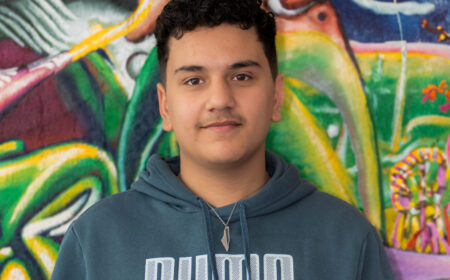
- Green Card Youth Voices: Immigration Stories from a Minneapolis High School – Ikrem Nuru’s Viidiyo Ikrem Nuru
- Dabalee: Hojii Barattootaf
- Suuraa Oromoo (as ilaalii)
Walitti Dhufeenya “7 Cs of Ethnic Studies” Wajjin
- Cultivate: Waa’ee seena Oromo, ummata Oromo fii Afaan Oromo barachuu carra ijooleef eenyumaa isaani barachuu ni danda’ama.
- Center: Muxannoo dargaggoota Oromo biyya haaraa kessa galuu akka godaantotaatti
Qajeelfamoota
Guyyaa 1ffa
Ignite (Kakaasuu)
Waa’e ummata Oromoo fii Afaan Oromoo maal beeka turtan? Waan tokko barressii. “Ammatti an hin beeku” barressii yoo ammatti hin beekne. Barattoonni walitti haa’saaudhan KWL chartii haa guutan, gaafi kana deebisuudhan:
- Waa’e ummata Oromoo fii Afaan Oromoo maal beekaa turtan?
Chunk 1 (Qindeessuu 1)
- Barreeffama “Oromo People, Culture, and Language” barattoota waliin irra deemi, seenaa Oromo, aada Oromo fii Afaan Oromo galuu isaanif.
- “Tarsiimoo dubbisaa 3-2-1” (Dabalee 3 ilaali) itti fayyadami. Barattoonnii dhugaawwan sadii, walitti dhufeenya lama, fii gaafii tokkoo adda baasu.
Chunk 2 (Qindeessuu 2)
- Barattoonni vidiyoo kana ni laalan: Viidiyoo Ikrem Nuru
Gaafii Xumuraa
- Har’a waa’e ummata Oromo yookan afaan Oromo waan baratte tokko barreesii.
- “Waanan baradhe tokko ___.”
Guyyaa 2ffa
Gaafii Jalqabaa: Waan eenyumaa keeti irra tokkoo maaltu barbaachisoo ta’e? Afaan kee, maatii kee, aada kee, fii bakka dhaloota kee ta’u danda’a. As jala barresii yookan suura kaasi.
Chew (Xiinxaluu)
- Vidiyoo laalu booda, have students jigsaw together the timeline of events in chronological order from Ikrem Nuru’s story (see attachment/appendix 4).
- Barattoonnii gaafii adda adda deebisuun paazilii eenyumaa isanii haa qopheessan. (Dabalee 5ffa ilaali)
- Taatee 1: Dhaala fii hidda dhaloota
- Taatee 2: Jijiirama gurguddaa
- Taatee 3: Qormaata fi guddina
- Taatee 4: Hawaasa fi Ofi ta’u
- Taatee 5: Abdii Fuulduraf
Irra Deebi’u
- Barattoonnii paazilii eenyummaa isaanii barata waliin haa qoodan. Achi booda, gaafii kana itti gaafadhu: Waan haaraa wa’ee hiriyaa kutaa keeti maal baratte?
- Barattoonnii “Waanan Baradhe” KWL Chartii irra haa guutan
Deeggarsa Afaanii
- Mul’ata kennu (islaayidoota fii meeshaalee barnootaa ilaali).
- Meeshaalee yaada qindeessan kennuu
- Jalqaboota himaa kennuu hojjii barreeffamaa fi ha’saauuf.
- Halluu waliin, barrefamaa irra deemu for 3-2-1 close reading strategy.
Jechootaa fi Hiika Isaanii
- Boorana (Buh-RAH-nuh): Gareewwan Oromoo keessaa isa guddaa tokkoo.
- Barentu (Bah-REHN-too): Garee ummata Oromoo
- Cushitic (Kuh-SHIT-ik): Garee afaanotaa fi uummattoota Gaanfa Afrikaa.
- Afaan: Afaan
- Afaan oromo (AH-faan oh-ROH-moh): Afaan Oromoo
Tarree Maddalee Barnootaa
- Kitaaba-Alamayyoo Haile, 2007
- The Oromo and the Christian Kingdom of Ethiopia, 1300–1700 by Mohammed Hassen
- Kitaaba – Hundasaa Waaq-woyya. 2013
- Partisan Discourse and Authentic History by Tabor Wami
- Suuraa Oromoo https://docs.google.com/presentation/d/1K4aniJlR0OMvZZkDZT-LIHKTRxnoBA5Ah09EV0Tb758/edit
- Liberated Ethnic Studies Model Curriculum Values and Principles (7 Cs) https://drive.google.com/file/d/1cGOs7rsY9wT2qI-yIQh5dye8snRjGYxr/view

Unidad 1: Identidad y lenguaje: La identidad a través de los cuentos
Periodo de tiempo
- 1-2 períodos de clase
Materiales
- Green Card Youth Voices: Historias de inmigración de una escuela secundaria de Minneapolis– Alexandra Irrazábal historia y video
- Diapositivas
Conexiones con las siete C’s de los Estudios étnicos
- Cultivar: aprender cómo la historia mexicana y latina, la gente y el idioma brindan oportunidades para la afirmación de la identidad y para poder sanar.
- Celebrar: utilizando contrahistorias mexicanas y latinas y narrativas comunitarias a través de la narración de cuentos.
Instrucción
Día 1
Encender: Introducción/Inicio (Diapositiva 1)
Pregunta de calentamiento: ¿Cuándo fue la última vez que te contaron un cuento?
¿De qué se trataba el cuento?
- Escribe en un cuaderno (2-3 minutos)
- Habla con un compañero de clase y comparte su experiencia (2-4 minutos)
- Compártelo con la clase; elige a unos estudiantes para compartir (2-3 minutos)
Fragmentar: Entendiendo las Historias
Las historias como una manera de autoconocimiento y del mundo que nos rodea (diapositiva 2)
- “Conocer el pasado es conocer el presente. Conocer el presente es conocerse a uno mismo.” —Jason Reynolds + Ibram X. Kendi (Sellado)
- Aviso/descargo de responsabilidad sobre salud mental: La lección de hoy trata del tema de migración, dificultades, identidad y experiencias de comunidades no dominantes. Algunos estudiantes pueden identificarse con estas experiencias de maneras distintas. Por favor, cuídense y participen de la manera en que se sientan más cómodos.
Vocabulario + ejemplos de Cuentos (diapositiva 3)
Vocabulario: Cuentos
- ¿Cuál es su definición de un cuento? ¡Escríbela! (2 minutos para pensar y escribir).
- Definición: relato de acontecimientos pasados en la vida de alguien o en la evolución de algo.
a. ¿Coincide tu definición con la que está en la pizarra?
Pide a algunos alumnos que compartan su opinión.
- Vamos a crear una definición juntos. (Busquen puntos comunes entre las definiciones para llegar a una definición como grupo; úsela para sus apuntes, si los toman).
Vocabulario: Narración Oral (diapositiva 4)
- Recopilación y estudio de información histórica mediante grabaciones de audio de entrevistas con personas que tienen conocimiento personal de los eventos del pasado.
a. ¿Qué crees que hace esto diferente de los cuentos por escrito? (Pide a los alumnos que compartan con un compañero, luego recorre el aula pidiendo a los grupos que compartan contigo). Regresa al frente de la clase y comparte lo que escuchaste y cualquier comentario adicional. También es un buen momento para compartir algo que haya dicho un alumno más tímido o callado y felicitarlo.
Manteniendo vivas las historias y el lenguaje: Dichos (fuente 1, fuente 2, fuente 3) y corridos (diapositiva 5)
- Se han utilizado los dichos por siglos en las comunidades mexicanas y latinas.
- Proporcionan una forma de expresión o consejos para todo tipo de situaciones.
- Ejemplo: “El que se lo guarda para el rato, se lo come el gato.” → se traduce como: “Si lo guardas para más tarde, no hay garantía de que esté allí.”
- Pida que los alumnos digan en voz alta “dichos” que usan en sus familias (que no aparecen en la diapositiva).
a. Si el tiempo lo permite, investiguen algunos dichos o refranes comunes y colócalos en el aula. Los estudiantes pueden hacer un recorrido por la galería, anotando algunos dichos o refranes que sus familias podrían usar. Creen una gráfica en un organizador gráfico o modelar dibujar uno para que los estudiantes incluyan un dicho que hayan escuchado, uno que no hayan visto y uno que les haya parecido interesante.
Diapositiva 5: evidencia de estudio (fuente 1)
- El intercambio de historias y cuentos, dichos y consejos es una experiencia común entre las familias mexicanas y también en las familias mexicanas que inmigraron a los Estados Unidos. Además de ser una oportunidad para disfrutar y entretenerse, la narración de historias familiares y cuentos folclóricos fortalece los lazos familiares, comparte valores culturales y contribuye a la construcción de la identidad. El intercambio de relatos, en particular los de la pobreza y la lucha, se asocia con la resiliencia y el empoderamiento, y sirve de apoyo a los padres en sus interacciones con la escuela y para abogar por los derechos de sus hijos (Delgado-Gaitan, 2005)
Diapositiva 6: Definición de corridos
- Una balada al estilo tradicional mexicano, cuyas letras suelen narrar un evento histórico.
a. Pregunte a los estudiantes: ¿Se les ocurre alguna canción que tenga significado para ustedes o que resuene con cómo se sienten o piensan?
i. Pida a los estudiantes que compartan sus ideas. - Diapositiva 7: Los corridos se han utilizado desde la Revolución Mexicana y han adquirido popularidad de nuevo durante la colonización de lo que es ahora la frontera entre México y Estados Unidos (fuente 1) y de territorios adicionales del sur de Estados Unidos.
- Los corridos eran en su mayoría un género dominado por hombres, pero las mujeres han creado subgéneros propios, como los corridos coquetos.
a. Para profundizar más o dedicarle más tiempo: escucha la música de Belinda en “300 Noches” o “Cactus”, o incluso “X Ti” de Eydrey (ambas cantantes hablan sobre las perspectivas de las mujeres en las relaciones personales, el género y los temas feministas).
Diapositiva 8: Corridos populares de antes y de ahora
- La leyenda y la vida de Gregorio Cortés, quien luchó valientemente contra los Texas Rangers estadounidenses por la independencia de México y del pueblo mexicano. (Fuente para escuchar)
- Diapositiva 9: “La Jaula de Oro” by Los Tigres del Norte (Fuente al video)
a. Explica que el sueño “americano” no es lo que parece, y que uno termina sintiéndose cada vez más aislado de su cultura y su gente mientras vive en los Estados Unidos.
Revisión: “Conocer el pasado es conocer el presente. Conocer el presente es conocerse a uno mismo.” (diapositiva 10)
- Los países de Latinoamérica y personas de todas las identidades, orígenes y perspectivas han estado contando sus historias durante siglos por medio de los dichos, consejos, corridos y más.
- A veces, estas historias nos muestran dificultades, pero también pueden mostrarnos resiliencia.
- Como dice un dicho: “No hay mal que por bien no venga” → “Algo bueno puede resultar de las cosas malas/duras/difíciles.”
- Para finalizar: ¿Qué fue lo que más le impactó hoy? (Puede hacer una actividad de cierre, compartir en pareja o una discusión grupal).
Día 2 – Reflexiones: ¿Cómo pueden las historias enseñarnos sobre nosotros mismos y el mundo que nos rodea?
Revisar los conceptos de ayer: “Conocer el pasado es conocer el presente. Conocer el presente es conocerse a uno mismo” (diapositiva 11)
- Los países de Latinoamérica y las personas de todas las identidades, orígenes y perspectivas han estado contando sus historias durante los siglos por medio de dichos, consejos, corridos y más.
- A veces, estas historias nos muestran dificultades, pero también pueden mostrarnos resiliencia.
- Como dice un dicho: “No hay mal que por bien no venga” → “Good can always come out of bad/hard/difficult things.”
- Calentamiento: ¿Qué historias compartiste con tu familia o amigos entre ayer y hoy?
Tiempo de trabajo en clase: instrucciones para los estudiantes > “Hoy aprenderán un cuento de una niña y la perspectiva y las historias que ella carga.”
- Lee a solas y anota la historia de Alexandra Irrazabal en GCV.
- Rodea con un círculo las palabras que no conozcas.
- Subraya las frases que dicen quién es Alexandra: qué le gusta y sus cosas favoritas.
- Subraya las palabras o frases que describen el mundo que rodea a Alexandra.
Revisar: Con un compañero, comparta sus anotaciones y trabaje juntos en las preguntas de reflexión.
- Preguntas para la discusión en pareja (grabar o caminar por el aula durante este proceso)
1. Describe a Alexandra o el mundo que ella experimentó mientras lees su historia.
2. ¿Qué tienen en común todas las formas de narración actuales?
3. ¿De qué manera se diferencian todas las distintas formas de narración?
4. ¿Por qué es importante escuchar historias o perspectivas del mundo como la de Alexandra?
5. ¿Qué pueden aprender las personas al escuchar varias formas de narración de historias?
Tarea Opcional:
- Asignar a los estudiantes la tarea de grabar una historia oral y tomar apuntes mientras se narra el cuento.
i. El cuento trata del primer encuentro con sus padres o tutores. Los estudiantes entrevistarán a los padres o tutores sobre ese primer encuentro (nacimiento, adopción, etc.).
a. Preguntas:
i. ¿Cómo fue el período antes del encuentro?
ii. ¿Cómo estaba el clima?
iii. ¿Cómo te sentías?
iv. ¿Cómo era yo?
v. ¡Y más! Existen muchas preguntas para profundizar en la comprensión, y estas pueden ser específicas del curso, del contexto o incluso de la comunidad escolar.
Lista de recursos
- “Dichos, Pepitas de Sabiduría” www.texasstandard.org/stories/dichos-nuggets-of-wisdom
- “Dichos y Refranes: Un dicho para cada ocasión” www.mexperience.com/un-dicho-para-cada-ocasión
- “25 refranes mexicanos que necesitas en tu vida” www.poliglota.org/post/refranes-mexicanos
- “La narración de cuentos en los hogares mexicanos: conexiones entre las prácticas orales y la alfabetización” https://pmc.ncbi.nlm.nih.gov/articles/PMC3614910
- “El Corrido: Una balada cultural de la experiencia mexicoamericana” www.tshaonline.org/handbook/entries/corridos
- “Américo Paredes, un héroe mexicano-americano” www.marfapublicradio.org/podcast/rambling-boy/2013-04-29/americo-paredes-a-mexican-american-hero
- “La Jaula de Oro” – Los Tigres del Norte https://www.youtube.com/watch?v=0jeBzqS_6WE
- Valores y principios del modelo currículo de los estudios étnicos liberados (7 C’s) https://drive.google.com/file/d/1cGOs7rsY9wT2qI-yIQh5dye8snRjGYxr/view

1 Kawm Txog: Lub Neej thiab Hom Lus – Hmoob Lub Neej thiab Hom Lus
Sij Hawm Qhia
- 1–2 hnub thaum chav kawm sib ntsib
Cov Khoom Siv
- Green Card Youth Voices: Immigration Stories from a St. Paul High School – Ib Yam Xyooj zaj dab neeg story thiab video
- T-Chart
Connections to the 7 Cs of Ethnic Studies
- Saib Xyuas: kawm txog keeb kwm Hmoob, haiv neeg Hmoob, thiab lus Hmoob kom muaj cib fim los lees paub thiab kho tus kheej
- Ua kev zoo siab: siv cov dab neeg Hmoob thiab pej xeem Hmoob cov dab neeg los piav dab neeg
Txheej Txheem Qhia
Taws: Hom Lus
Sau rau ntawm daim txiag:
Nyob zoo. Kuv lub npe hu ua . . .
(Hello. My name is . . .)
Nug cov tub ntxhais kawm seb puas muaj leej twg paub hom lus no los sis nyeem tau. Hu ob peb tug los twv los sis nyeem kab lus rau txhua tus. Nug cov tub ntxhais kawm kom tsa tes yog tias lawv hais ib hom lus txawv uas tsis yog lus Askiv tom tsev.
Tig thiab Tham
Piv txwv tias koj tau khiav mus nyob ib lub teb chaws tshiab uas tsis muaj neeg paub hais, nyeem, los sis nkag siab koj hom lus. Koj yuav qhia rau lawv tias koj yog leej twg li cas? Koj yuav qhia koj zaj dab neeg rau lawv li cas?
- Hais kom ob peb tug tub ntxhais kawm qhia lawv cov tswv yim rau sawv daws.
Phua: Kev Piav Dab Neeg
Qhia tias haiv neeg Hmoob yog ib haiv neeg pawg tsawg nyob hauv Suav Teb uas tau khiav tawm mus nyob thoob Sab Qab Teb Chaws Esxias. Meskas CIA tau rub Hmoob los pab tua Kob Tsov Rog Qab Rooj hauv Nplog Teb. Vim li no, coob tus Hmoob yuav tsum tau khiav tawm Nplog Teb mus nyob hauv cov yeej thoj nam tawg rog hauv Thaib Teb. Nim no, Hmoob nyob thoob Asmesliskas; cov coob nyob hauv lub xeev California, Minnesota, thiab Wisconsin. Hmoob nyob coob heev hauv ob lub nroog. Hmoob lub neej thiab tus kheej tau hloov pauv vim kev yuav plam lawv hom lus thiab kab lis kev cai.
- Tham me ntsis txog Hmoob kev tsiv teb tsaws chaw: Suav Teb -> Nplog Teb -> cov yeej thoj nam tawg rog -> Asmesliskas
- Txhais “kev piav dab neeg”: keeb kwm qhia ib tiam dhau ib tiam los ntawm qhov ncauj, feem ntau yog los ntawm kev piav dab neeg, cov nkauj, los sis kev coj noj coj ua, es tsis yog los ntawm kev nyeem ib phau ntawv.
Tig thiab Tham
Thaum nyob hauv tsev kawm ntawv, cov tub ntxhais kawm kawm keeb kwm thaum lawv nyeem cov phau ntawv. Vim li cas kev piav dab neeg ho tseem ceeb ib yam li cov phau ntawv nyeem?
- Nug ob peb tug tub ntxhais kawm qhia lawv cov tswv yim rau sawv daws.
Phua: Ntawv Hmoob Las Tees
- Piav qhia tias ntawv Hmoob Las Tees yog hom ntawv uas Hmoob coob tus siv niaj hnub no. Ntawv Hmoob Las Tees tsim thaum xyoo 1950s los ntawm ib co Txiv Plig Fab Kis. Ntawv Hmoob Las Tees siv cov tsiaj ntawv ABC uas peb paub, tiam sis cov tsiaj ntawv Hmoob lub suab txawv lawm xwb.
- Piav qhia me ntsis tias lus Hmoob yog ib hom lus muaj 8 lub suab cim. Tus tsiaj ntawv kawg ntawm ib lo lus Hmoob tsis muaj suab; nws qhia kom yus hais lo lus siab, qis, tus, los sis npub ntswg. Txhua lo lus Hmoob muaj nws lub ntsiab lus.
- Sau/tso lo lus Hmoob. Piav qhiav tias tus tsiaj ntawv “b” tsis muaj suab/tsis ua suab. Nws yog ib tug tsiaj ntawm cim, uas qhia yus kom hais lo lus nrog lub suab siab siab; nws cim zoo yam li suab paj nruag xwb.
Tig thiab Tham
Yog tias koj hais lo lus “Hmoob” tsis nrog lub suab siab siab, tiam sis nrog lub suab qis los tus, nws ho txawv li cas? Ib hom lus muaj feem tshuam ib tus neeg li keeb kwm piav dab neeg li cas?
- Nug ob peb tug tub ntxhais kawm qhia lawv cov tswv yim rau sawv daws.
Zom: Ib Yam Xyooj Zaj Dab Neeg thiab kev kawm lom zem
- Muab “Ib Yam Xyooj” ib zaj lus luv luv los ntawm Green Card Youth Voices: Immigration Stories from a St. Paul High School, siv ntu nruab nrab ntawm nploog 3 txog 4
- Nyeem zaj dab neeg qhia txog Ib Yam lub neej nyob Asmesliskas nrov nrov rau sawv daws mloog, hais kom cov tub ntxhais kawm nyeem/mloog raws
Kev Kawm Siv T-Chart
- Muab cov tub ntxhais ib leeg ib daim ntawv T-chart, uas yeej muaj lo lus “Txwv Yus Hauv Kev” rau ib sab thiab “Pab Tau Yus” rau ib sab.
- Txwv Yus Hauv Kev– Hauv qab sab no, hais kom cov tub ntxhais kawm nrhiav thiab sau txog Ib Yam lub neej thaum uas nws ntsib tej yam nyuaj, xws li kho siab, tsis nkag siab tus kheej, hnov tau tias nws txawv lwm tus, thiab lwm yam tsis zoo/nyuab.
- Pab Tau Yus– Hauv qab sab no, hais kom cov tub ntxhais nrhiav thiab sau txog Ib Yam lub neej thaum uas nws ntsib kev zoo siab, xws li nws txaus siab rau nws tus kheej, nws muaj kev sib raug zoo nrog nws tsev neeg, thiab lwm yam kev zoo/yooj yim.
- Cov tub ntxhais yuav tsum nrhiav thiab sau kom tau li 3 mus rau 5 yam rau ib qho/sab.
Pab Pawg Sib Tham/Sib Qhia Tswv Yim
- Ib Yam zaj dab neeg muaj feem rau Minnesota tej keeb kwm li cas?
Saib Dua: 3-2-1 Daim Pib Tawm
Siv ib daim ntawv (nyob hauv phau ntawv sau los sis ib daim ntawv me me) los sis saum huab cua, hais kom cov tub ntxhais sau teb cov lus no thiab muab rau tus xib fwb:
- Peb yam lawv kawm tau txog keeb kwm Hmoob los sis lus Hmoob
- Ob qho vim li cas kev piav dab neeg thiaj tseem ceeb
- Ib lo lus nug uas lawv tseem muaj txog Hmoob keeb kwm/ kab lis kev cai
Kev Pab Cov Tub Ntxhais Hais Ntau Hom Lus thiab Kawm Lus Askiv
- Sau cov kab lus qhia pib hais lus thaum muaj kev sib tham
- Muab cov ntawv muaj T-Chart.
Ntsiab Lus thiab Txhais Li Cas
- Kev piav dab neeg: keeb kwm qhia ib tiam dhau ib tiam los ntawm qhov ncauj, feem ntau yog los ntawm kev piav dab neeg, cov nkauj, los sis kev coj noj coj ua, es tsis yog los ntawm kev nyeem ib phau ntawv.
- Ntawv Hmoob Las Tees: ib hom kev sau thiab nyeem ntawv Hmoob uas siv tib co tsiaj ntawv li lus Askiv tiam sis lub suab sib txawv
Teev Cov Khoom Siv
- Green Card Youth Voices: Immigration Stories from a St. Paul High School – Ib Yam Xyooj zaj dab neeg story thiab video
- Hmoob kev piav dab neeg yog dab tsi? www.mochimag.com/arts-culture/hmong-oral-tradition
- Ntawv Hmoob Las Tees yog dab tsi? www.hmongrpa.org
- Keeb Kwm Ntawm Haiv Neeg Hmoob www.mnhs.org/hmong/hmong-timeline
- Liberated Ethnic Studies Model Curriculum Values and Principles (7 Cs) https://drive.google.com/file/d/1cGOs7rsY9wT2qI-yIQh5dye8snRjGYxr/view
2 Kawm Txog: Kev Muaj Peev Xwm thiab Kev Tiv Thaiv/Kev Tawm Tsam – Hmoob Kev Muaj Peev Xwm thiab Kev Tiv Thaiv/Kev Tawm Tsam
Sij Hawm Qhia
- 1–2 hnub thaum chav kawm sib ntsib
Cov Khoom Siv
- Daim ntawv qhia txog Hmoob Cov Nom Tswv
- Green Card Entrepreneur Voices – Bo Thao-Urabe’s story
- Hmoob Khw Tshav Puam Qub thiab Hmoob Tshav Puam Tshiab (Zos Hmoob) images
Connections to the 7 Cs of Ethnic Studies
- Ua kev zoo siab: siv cov dab neeg Hmoob thiab pej xeem Hmoob cov dab neeg los piav dab neeg
- Kev tsis yooj yim: nkag siab tias pej xeem Hmoob thiab koom haum tau txhawb lawv lub zej zog li cas rau sab kev tawm suab, kev tawm tswv yim, thiab kev kho siab kho ntsws
Txheej Txheem Qhia
Taws: Cov qauv rau Kev Ua Tau Zoo/Kev Vam Meej
- Tso ib daim duab khw tshav puam qub los sis tshiab hauv St. Paul, Minnesota
- Thaum cov tub ntxhais kawm saib daim duab, nug lawv tias:
- Thaum cov Hmoob tawg rog tuaj txog hauv Asmesliskas, lawv nqa tsis tau dab tsi tuaj nrog lawv, tsuas yog nqa tau cov khaub ncaws lawv muaj thiab tej lub twj taig xwb. Saib daim duab khw tshav puam uas muag ntau yam thiab muaj neeg coob coob no, xav seb yuav tsum muaj yam dab tsi thiaj li yuav pab tau kom hais neeg ciaj sia thiab vam meej.
Tig thiab Tham
Hais kom cov tub ntxhais nrog tus khub ntawm ib sab tawm peb lub tswm yim (kev muaj peev xwm, kev rau siab ua hauj lwm, lwm yam ntxiv) uas lawv yuav tsum muaj thiaj li ciaj sia thiab qhib tau ib lub khw li daim duab, yog tias lawv tau tsiv mus nyob ib lub teb chaws tshiab uas lawv tsis paub cov lus hais ntawd thiab tsis muaj nyiaj.
- Hais kom ob peb tug tub ntxhais kawm qhia lawv cov tswv yim rau sawv daws.
Phua: Kev Muaj Peev Xwm
Lees paub: No yog ib qhov kev taug rau coob tus Hmoob Meskas. Lwm cov Hmoob dab neeg/kev taug kuj txwv cov Hmoob Meskas, xws li cov Hmoob Suav, Hmoob Nplog, Hmoob Nyab Laj, thiab lwm haiv neeg. Tej zaum ib txhia kuj tau tawm tsam/ koom tes nrog cov Nyab Laj Liab los sis cov tub rog Nplog kom lawv muaj sia nyob los sis yeej txaus siab koom nrog lawv. Ib yam li ntawd, txhua txhua tus Hmoob tsis taug txoj kev ua neeg tawg rog los sis tuaj nyob Asmesliskas; coob tus kuj txiav txim siab nyob Nplog Teb thiab Thaib Teb; ib txhia khiav mus nyob lwm cov teb chaws thoob lub ntiaj teb no. Kev kawm hnub no yuav kawm txog cov dab neeg/ kev taug ntawm cov Hmoob Meskas.
Qhia: Hmoob yog ib haiv neeg pawg tsawg nyob hauv Suav Teb tuaj. Hauv keeb kwm ntau xyoo dhau los, cov neeg Suav thiab Hmoob tau sib ntaus sib tua txeeb av thiab peev txheej. Thaum kawg, Hmoob tsiv Suav Teb los mus nyob Sov Choj/ Sab Qab Teb Chaws Esxias. Hauv Nplog Teb, Meskas CIA tuaj rub Hmoob mus pab tua cov Nyab Laj Liab thiab cov tub rog Nplog thaum muaj Kob Tsov Rog Qab Rooj/Kob Tsov Rog Zais. Hmoob raug xaiv thiab rub mus ua tub rog vim lawv paub thaj av zoo; coob tus mus ua tub rog vim kom tsis txom nyem/muaj sia thaum lub sij hawm ua tsov rog. Thaum Asmesliskas khiav tawm tsis tua Kob Tsov Rog Nyab Laj, lawv kuj tso cov Hmoob tseg hauv Nplog Teb. Cov Hmoob tau ntsib kev tsim txom thiab raug cov tub rog Nplog tua; lawv yuav tsum tau tiv thaiv lawv tus kheej hauv tej hav zoov hauv Nplog Teb.
Txoj kev khiav hla tus Dej Nab Khoom los rau Thaib Teb yog ib txoj kev qhia tias Hmoob muaj peev xwm. Cov Hmoob yuav tsum tau nkaum hauv hav zoov, nrhiav zaub mov noj, khiav ua ib pawg, thiab feem ntau ces khiav thaum tsaus ntuj kom dim cov tub rog Nplog. Lub sij hawm thaum lawv khiav ces ib txhia yuav tau tso tseg lawv tej khoom, ib txhia yuav tau tso lawv tsev neeg tseg, ib co yuav tsum tau ev cov laus, ib co me nyuam quaj taug raug noj tshuaj yeeb kom txhob quaj kom ntsiag to thaum yeeb ncuab nyob ze, thiab ib co me nyuam tau tuag vim noj yeeb ntau dhau lawm los sis txhaum yeeb. Hmoob lub siab tawv thiab lub cev peem tiag tiag lawv thiaj los txog tus dej, thiab hla daj mus rau Thaib Teb kom muaj kev ywj pheej. (Ntaub Ntawv Keeb Kwm)
- Kev muaj peev xwm yog ib yam los pab tus kheej kom peem kom dhau lub sij hawm nyuaj
- Nug cov tub ntxhais: Ib yam piv txwv tias Hmoob muaj peev xwm yog dab tsi?
- Cov Hmoob yauv tau nkaum, khiav thaum tsaus ntuj, thiab saib xyuas txhua tus zoo zoo kom mus txog tus Dej Nab Khoom.
Phua: Kev Tiv Thaiv/Kev Tawm Tsam thiab Fwj Chim
Dhau ntawm keeb kwm los mus rau lub zej zog, ces qhia txog Hmoob kev sib txheeb thiab kev nom tswv. Qhia tias Minnesota yog vaj yog tsev rau ntau tshaj 90,000 tus Hmoob, uas St. Paul yog lub nroog muaj Hmoob nyob ntau tshaj plaws hauv Asmesliskas.
Lub zog ntawm Kab Lis Kev Cai
- Qhia tias kev sib txheeb/tsev kwv tij (clan system) yog ib yam muaj zog rau Hmoob. Siv ib pab pawg los piv txwv qhia txog qhov kev sib txheeb; piv txwv tias yog koj ib tug phooj ywg xav pib ib lub lag luam, ces txhua tus phooj ywg txhawb nws.
- Tig thiab Tham: Leej twg yog ib feem hauv koj tsev kwv tij, los sis “pab pawg”, los sis cov neeg uas koj ntseeg thiab tso siab tau?
- Txuas rau Kev Tiv Thaiv/Kev Tawm Tsam: Qhia rau cov tub ntxhais tias kev tiv thaiv/tawm tsam tsis yog yuav sib ntaus/sib tua tas li, nws kuj txhais tau tias rub yus tsev neeg/ tsev kwv tij los sis lub zej zog los ua ke kom muaj suab thiab tau txais kev ncaj ncees.
Kev Nom Tswv
- Tau ntau xyoo, lub zej zog Hmoob hauv MN tsis muaj leej twg sawv cev hauv nroog los sis hauv tsoom fwv Meskas uas nkag siab txog lawv li keeb kwm thiab kab lis kev cai. Hmoob tsis muaj ib tug nom tswv sawv cev rau lawv ua ntej Mim Muas (Mee Moua) los khiav ua hauj lwm hauv tsoom fwv thaum 2002. Mim Muas yog thawj tug Hmoob raug xaiv los yog ib tug sawv cev rau lub xeev MN.
- Tsis yog tias nws siv nws lub suab los txhawb Hmoob xwb, nws yog ib tug qauv qhib tau qhov rooj rau Foom Hawj thiab lwm tus taug nws txog lwg, txhawb siab rau cov Hmoob Meskas kom nyiam txog kev khiav ua nom ua tswv.
Zom: Bo Thao-Urabe zaj dab neeg
- Muab ib ntu dab neeg ntawm “Bo Thao-Urabe” los ntawm Green Card Entrepreneur Voices, nploog 11–12 los rau cov tub ntxhais.
- Hais kom cov tub ntxhais nyeem zaj dab neeg txog Bo lub neej uas tau tsim tej kev zoo
Pab Pawg Sib Tham/Sib Qhia Tswv Yim
- Nqe Lus thiab Rov Qhia Dua: Ib tug khub nyeem zaj dab neeg; ib tug khub siv 5 lo lus los rov qhia zaj dab neeg dua. Thaum nyeem txog ib nrab, ces ob leeg sib hloov.
- Tham thiab tshuaj xyuas:
- Rov nco thiab tham txog: Bo tau ntsib tej kev nyuaj dab tsi thaum nws tseem yau?
- Kab lus pib: Bo tau ntsib ____./ Ib yam kev nyuaj Bo tau ntsib yog_____.
- Lub tswv yim: Bo siv nws kev peev xwm los pab nws pib nws cov hauj lwm li cas?
- Kab lub pib: Bo siv nws kev peev xwm los ntawm ______. Qhov no pab nws vim ________.
- Txuas: Bo zaj dab neeg qhia txog kev tiv thaiv/kev tawm tsam li cas, xws li thaum nws siv nws lub fwj chim los tsim tej kev zoo rau lwm tus?
- Kab lus pib: Nws cov hauj lwm tau tsim kev hloov pauv rau lub zej zog los ntawm ____.
- Rov nco thiab tham txog: Bo tau ntsib tej kev nyuaj dab tsi thaum nws tseem yau?
Kawm Ntxiv: Daim ntawv qhia txog Hmoob Cov Nom Tswv
- Sau cov Hmoob nom tswv npe; hais cov tub ntxhais xaiv ib tug los tshawb fawb thiab sau txog rau ib daim ntawv.
- Piv txwv: Nkauj Lig Hawj (Kaohly Her), Fwm Lis (Fue Lee), Ntses Xyooj (Jay Xiong), Nelsie Yaj (Nelsie Yang), Samantha Vaj (Samantha Vang), Maiv Xyooj (Mai Xiong), Susan Pha, etc.
- Saib daim ntawv sau.
Saib Dua: Daim Pib Tawm
Hais kom cov tub ntxhais sau rau kab lus no kom meej/kom yog: “Zej zog Hmoob sib koom tes ua ke thiab siv _______ los tawm tsam __________, thiab tsim tau kev hloov los ntawm ______.”
Kev Pab Cov Tub Ntxhais Hais Ntau Hom Lus thiab Kawm Lus Askiv
- Siv ib daim ntawv teev/sau txog cov nom tswv Hmoob.
- Muab cov kab lus pib los pab cov tub ntxhais teb nus lug:
- Ib qho qauv zoo ib tug neeg yuav tsum muaj yog ____ vim _____.
- Kuv pom tias ____.
- Kuv ntseeg tias Hmoob Hnub tseem ceeb/ tsis tseem ceeb vim _____.
- Kuv xav tias tej zaum coob tus Hmoob nyiam khiav ua nom ua tswv vim _____.
- Peb ua kev zoo siab rau ___ vim ___./ Peb tib ___ vim ___.
Ntsiab Lus thiab Txhais Li Cas
- System: ib qho txheej txheem qhia tias yuav ua li cas vim yeej ua tseg li ntawd los thiaj ua hauj lwm zoo
- Kev peev xwm: muaj cuab kav sawv thiab peem kom dhau tej kev nyuaj/ sij haum nyuaj
- Tsev Kwv Tij: ib tsev neeg loj uas muaj sib txheeb los ntawm lub xeem thiab poj koob yawm txwv
- Kev hloov pauv: txoj kev uas hloov/ras ua yam tshiab
- Tus neeg ua nom tswv: ib tug neeg uas raug xaiv tsa los khiav hauj lwm hauv tsoom fwv thiab xaiv cai los rau lub nroog, lub xeev, los sis lub teb chaws
- Tus neeg ua lag luam: ib tug neeg uas pib thiab khiav nws lub lag luam/ hauj lwm los pab lwm tus daws teeb meem los sis tsim tej khoom/kev pab cuam rau neeg siv
Teev Cov Khoom Siv
- Green Card Entrepreneur Voices – Bo Thao-Urabe zaj dab neeg story
- Hmoob Khw Tshav Puam Qub thiab Hmoob Tshav Puam Tshiab (Zos Hmoob) cov duab (images)
- Kob Tsov Rog Qab Rooj/Kob Tsov Rog Zais hauv Nplog Teb www.cvmuseum.com/explore/the-secret-war
- Liberated Ethnic Studies Model Curriculum Values and Principles (7 Cs) https://drive.google.com/file/d/1cGOs7rsY9wT2qI-yIQh5dye8snRjGYxr/view
3 Kawm Txog: Kev Kho Siab Ntsws thiab Txhim Kho Lub Neej Tom Ntej – Hmoob Kev Kho Siab Ntsws thiab Txhim Kho Lub Neej Tom Ntej
Sij Hawm Qhia
- 1–2 hnub thaum chav kawm sib ntsib
Cov Khoom Siv
Connections to the 7 Cs of Ethnic Studies
- Saib Xyuas: siv Hmoob cov txuj ci (suab paj nruag/paj ntaub) los ua lub cib fim kom lees paub tus kheej thiab kho siab ntsws
- Conceptualize: siv Hmoob cov txuj ci (suab paj nruag/paj ntaub) los yog ib yam cuab yeej kom muaj zeem muag, pom yav tom ntej, tsim kho lub ntiaj teb, muaj kev cia siab, muaj kev kho siab ntsws, thiab muaj kev sib raug zoo ua ke
Txheej Txheem Qhia
Tseem Ceeb: Thov ceeb toom cov tub ntxhais tias kev kawm hnub no yuav muaj qee yam ua rau lawv txhawj/ muaj kev nyuaj siab, thiab tsim ib chav nyab xeeb rau lawv ua ntej pib zaj kawm no. Hnub no, chav kawm yuav saib tib neeg cov txuj ci paj ntaub thiab suab paj nruag los ua kev kawm kom nkag siab cov sij haum nyuab thiab nkag siab tias cov txuj ci no kho neeg siab ntsws li cas. Qee yam ncauj lus peb yuav tham txog yog kev ua tsov rog, tsiv teb tsaws chaw/khiav tawm teb chaws, thiab kev tsim txom ntawm ntau tiam neeg, kev ntxhov siab los sis tusiab uas cov tsev neeg muaj ib phaum dhau ib phaum, thiab tej zaum yuav ua rau yus muaj qee yam kev xav.
Thov ceeb toom cov tub ntxhais kom paub sib hwm, tsim ib chav nyab xeeb rau txhua tus, thiab yog lawv tsis xav hais lus/tsis xav tham los tau. Ntxiv thiab, nco ntsoov kom cov tub ntxhais mus cuag lawv cov kws kho kev mob hlwb/kho kev nyuaj siab yog lawv xav tau kev pab, thiab qhia tias cov ncauj lus hnub no yog tham hauv chav kawm es ua rau lawv muaj qee yam kev xav. Xib Fwb siv nws qhov kev txiav txim siab zoo tshaj plaws los ceeb toom cov tub ntxhais kawm.
Taws: Lub Suab Txawv
- Tso lub suab qeej los sis raj me me rau cov tub ntxhais mloog, txhob tso daim duab kom pom cov twj suab paj nruag (instrument slide).
- Nug cov tub ntxhais: Yog tias lub suab no yog ib tug neeg hais lus, xav seb nws lub siab xav li cas?
- Kab lub pib: Lub suab no __________. / Hnov tau tias lub suab no ________________.
- Tso daim duab ntawm rab qeej/rab raj. Qhia cov tub ntxhais tias yog dab tsi.
Tig thiab Tham
Koj mloog zaj nkauj dab tsi thaum koj tu siab los sis tsis muaj siab ua dab tsi? Vim li cas mloog nkauj ho zoo dua nrog ib tug phooj ywg tham?
Phua: Hmoob Twj Suab Paj Nruag
- Saib ib ntu luv luv ntawm Among Mountains, thaum 29:00 txog 43:00.
- Neeb Thoj piav qhia cov twj suab paj nruag thiab cov suab uas txhais tau lus Hmoob, nrog rau tias suab paj nruag/nkauj yog ib yam txuas neeg cov lus hais, thiab feem ntau yog siv los nrhiav txij nkawm/sib tham.
- Piav qhia cov suab ntawm cov twj suab paj nruag qog lus Hmoob li cas. Cov suab zoo yam li hu ib zaj lus nthuav qhia ib tug neeg txoj kev xav, zoo li hu nkauj rau ib tug phooj ywj los sis hu nkauj rau yus cov poj koob yawm txwv. Hais kom cov tub ntxhais sim seev (hum) lawv lub npe.
- Qhia rau cov tub ntxhais kawm kom meej tias suab paj nruag yog ib yam ua rau neeg qhia tau lawv tej kev xav. Thaum ub, Hmoob tsis qhib siab qhia txhua yam kev xav lawv muaj, tshwj xeeb yog thaum sib tham nrhiav txij nkawm. Suab paj nruag yog ib txoj hauv kev rau tib neeg qhib siab qhia thiab tham txog lawv tej kev xav, kev hlub, kev zoo siab, los sis kev tu siab rau lwm tus.
Tig thiab Tham
Xav txog ib zaj nkauj koj tso mloog thaum uas koj tu siab/ tsis muaj siab ua dab tsi. Vim li cas hnov zaj nkauj ntawd thiaj li muaj kev nyab xeeb rau koj los sis nplij koj siab dua li tham nrog ib tug phooj ywg?
- Kab lus pib: Thaum kuv nyuaj siab, kuv nyiam mloog ___________.
Phua: Steve Thoj
Saib daim yeeb yaj kiab txog “Steve Thao” los ntawm Green Card Entrepreneur Voices.
Pab Pawg Sib Tham/Sib Qhia Tswv Yim
- Saib daim yeeb yaj kiab: Saib ua ke.
- Tham: Txuj ci suab paj nruag pab Hmoob qhib siab qhia lawv cov kev xav li cas? Cov txuj ci no pab Hmoob nkag siab lawv tsev neeg li keeb kwm li cas? Cov txuj ci no pab Hmoob kho lub neej yav dhau lo li cas?
- Tshuaj xyuas: Thoj hais tias, “Txuj ci suab paj nruag yog ib txoj hauv kev rau peb qhia peb cov dab neeg, es tsis txhob cia lwm tus qhia rau peb.” Qhov nws hais no txhais tau li cas? Koj yuav siv txuj ci suab paj nruag los qhia koj zaj dab neeg li cas?
- Koj qhia koj cov kev xav li cas?
- Koj yuav siv txuj ci suab paj nruag lo qhia koj cov kev xav li cas?
Zom: Paj Ntaub Artwork
Nthuav qhia txog paj ntaub Hmoob, uas feem ntau yog siv los qhia dab neeg, tshwj xeeb li daim paj ntaub dab neeg. Qhia rau cov tub ntxhais tias paj ntaub dab neeg pib hauv cov yeej thoj nam tawg rog, uas yog ib txoj hauv kev cov Hmoob nthuav lawv cov txuj los khwv nyiaj. Lawv siv tes dag zog los tsim daim ntaub, ces siv tes los kos thiab xaws daim paj ntaub dab neeg qhia txog lawv lub neej, keeb kwm, thiab tej yam lawv tau ntsib. Muab ob peb daim paj ntaub dab neeg rau cov tub ntxhais kawm saib, thiab qhia cov qauv tshwj xeeb npe thiab txhais li cas. (Saib daim paj ntaub link hauv qab.)
Zaj Dab Neeg Luv Luv
Tsim ib daim ntawv paj ntaub 3 seem
- Daim Ntawv Paj Ntaub 3 seem design: 3 lub xwm fab xwm meem sib txuas, uas muaj ntug qauv Hmoob (roob/ qwj) ncig tag nrho 3 lub ntsais
- Cov tub ntxhais yuav kos duab rau txhua lub ntsais
- Xwm fab xwm meem 1: Kos duab qhia ib lub sij hawm nyuaj koj tau ntsib los
- Xwm fab xwm meem 2: Kos duab qhia seb dab tsi tau pab kom koj zoo siab/ nplij koj siab/ kho tau koj siab (tsev neeg, suab paj nraug, kos duab, lwm yam).
- Xwm fab xwm meem 3: Kos duab qhia koj cov kev cia siab koj muaj rau koj tus kheej yav tom ntej
- Cov tub ntxhais yuav kos duab rau txhua lub ntsais
- Cov tub ntxhais yuav sau peb kab lus txog lawv cov duab, ib kab lus hauv ib lub ntsais.
- Kuv daim duab qhia _________.
- No pab kuv (hnov tias) ______ vim _____.
- __________ ua rau kuv muaj kev cia siab rau yav tom ntej. .
Saib Dua: 3-2-1 Daim Pib Tawm
Siv ib daim ntawv (nyob hauv phau ntawv sau los sis ib daim ntawv me me) los sis saum huab cua, hais kom cov tub ntxhais sau teb cov lus no thiab muab rau tus xib fwb:
- Peb yam koj kawm tau hnub no
- Ob tug qauv uas muaj nyob hauv paj ntaub Hmoob
- Ib txoj hauv kev uas suab paj nruag/ paj ntaub pab tau neeg kev kho siab kho ntsws
Kev Pab Cov Tub Ntxhais Hais Ntau Hom Lus thiab Kawm Lus Askiv
- Siv cov kab lus pib thaum rov xav txog/tham txog kev kawm:
- Txuj ci suab paj nruag/ paj ntaub pab peb tau nrog _____
- Txuj ci suab paj nruag/ paj ntaub pab kho _______
- Txuj ci suab paj nruag/ paj ntaub ua rau kuv nkag siab ______.
- Kuv qhia kuv cov kev xav/ kuv tus kheej los ntawm ______.
- Thaum kuv _____, kuv mloog _____.
Ntsiab Lus thiab Txhais Li Cas
- Paj ntaub: Hmoob txuj ci teej tug uas siv koob los xaws rau daim ntaub
- Txuj Ci (suab paj nruag/paj ntaub/ kev kos duab): tej yam yus tsim los ntawm kev xav los qhia tswv yim thiab neeg cov kev xav, los tsim tej yam zoo nkauj, los sis los qhia tias yus pom lub ntiaj tej li cas
- Kev kho siab ntsws: qhov txheej txheem ntawm kev ua rau yus lub siab kaj, siab tawv, los sis lub siab rov los ua ib lub tom qab yus raug tsim txom, tsis hais ntawm cev nqaij daim tawv los sis kev xav hauv siab
- Kev cia siab: kev ntseeg tias yam zoo yeej yuav tshwm sim
- Tus qauv: ib daim duab uas txhais tau ib lub tswv yim loj/tseem ceeb, los sis txhais tau ib qho ntsiab lus zoo
Teev Cov Khoom Siv
- Twj suab paj nruag Hmoob www.learnabouthmong.org/default_active_page_id=31.html
- Paj Ntaub https://learnuake.org/articles/hmong-culture/embroidery/
- Daim ntaub muaj qauv paj ntaub https://drive.google.com/file/d/1xbPy-QN1b9Oq90H28k_mWvihBg3xabvG/view
- Among Mountains video www.youtube.com/watch?v=VpT5bHrezxE
- Green Card Entrepreneur Voices – Steve Thoj daim yeeb yaj kiab video
- Liberated Ethnic Studies Model Curriculum Values and Principles (7 Cs) https://drive.google.com/file/d/1cGOs7rsY9wT2qI-yIQh5dye8snRjGYxr/view
- “Birdsong: the dying whistled language of Hmong in northern Laos” video – www.youtube.com/watch?v=_KIYwCieaMs
Unit 3: Healing and Future Building – The Gadaa System of Oromo Governance
Time Frame
- 1–2 class periods
Materials
- Green Card Voices – Mikyas Woldemichael’s video
- Appendix: Student Handouts
- Oromo Lesson Slides
Connections to the 7 Cs of Ethnic Studies
- Center: centering knowledge from Oromo community, elders, families, and lived experiences through the Gadaa system
- Conceptualize: visioning, futurisms, world-building, hope, healing, and collective possibilities for Oromo/Ethiopian youth
Instruction (ICCR)
Day 1 Warm-Up Question:
- Think about someone you look up to as a leader. What makes them a good leader? Write two to three sentences or draw a picture.
Ignite
- Have students Turn and Talk with a partner, answering the question below:
- What is a goal or hope that you have for the future?
Chunk 1
- Introduce “What Is the Gadaa System?” to students and review (see attachment/appendix 1).
- Have students complete the Ten Stages of the Gadaa System graphic organizer (see attachment/appendix 2).
Chunk 2
- Have students watch Mikyas Woldemichael’s video.
Exit Ticket
- Look at the Gadaa system stages. Which stage are you currently in? Write the stage’s name and one responsibility it entails.
- I am currently in the ___ stage. One responsibility of this stage is ___.
Day 2 Warm-Up Question
- Think about Mikyas’s story. How did soccer help him heal and build a future? Write one to two sentences using what you remember from the video.
Chew
- After watching the video, have students complete a short writing prompt answering the following questions:
- Mikyas was thirty-two years old. Which stage in the Gadaa system represents him? How do you think he showed leadership?
- Do you think soccer was important for Mikyas? How did it provide healing and future opportunities for his community?
- What kind of leader do you want to be when you reach stage 5, Raaba Doorii (ages 32–40), in the Gadaa system?
Review
- Have students pair-share the following questions:
- Which stage in the Gadaa system do kids your age fall under?
- What are some responsibilities and expectations at this stage?
- How is this similar or different to your own responsibilities and expectations in your culture?
Exit Ticket
- One thing I learned about the Gadaa system is ___. This connects to my own life because ___.
Multilingual and ELL Support
- Provide visuals (see slides/attachments).
- Provide graphic organizers as student handouts.
- Provide sentence stems for written work and verbal share-outs / small group discussions.
Vocabulary and Definitions
- Gadaa system: traditional political and governance system of the Oromo people
- Abba Gadaa: the elected leader of the Oromo Gadaa system
- Qondaala: the fourth stage of the Oromo Gadaa system (ages twenty-four to thirty-two), in which young adults serve as warriors and protectors of the community through rigorous training in combat, sports, and swimming.
- Abba Duula: the father of war / commander in the Oromo Gadaa system
Resource List
- Dirrib Damisse, 2007 Sirna Gadaa
- The Oromo and the Christian Kingdom of Ethiopia, 1300–1700 by Mohammed Hassen
- Partisan Discourse and Authentic History by Tabor Wami
- Liberated Ethnic Studies Model Curriculum Values and Principles (7 Cs) https://drive.google.com/file/d/1cGOs7rsY9wT2qI-yIQh5dye8snRjGYxr/view

Unit 2: Resilience and Resistance – Learning as Resistance: Hend, A Saudi Woman’s Story
Time Frame
- 2 class periods
Materials
- Green Card Voices – Hend Al-Mansour’s video
- Picture cards (school, family)
- Vocabulary and Definitions Handout
Connections to the 7 Cs of Ethnic Studies
- Challenge: imperialist/colonial hegemonic beliefs and practices on ideological, institutional, interpersonal, and internalized levels
- Conceptualize: imagine and build new possibilities for post-imperial life that promote collective narratives of transformative resistance, critical hope, and radical healing
Instruction (ICCR)
Day 1 – Understanding Resistance and Hend’s Story
Ignite: Interactive/Interpersonal Activity
Show two visuals:
- A map of Saudi Arabia.
- 2–3 pictures of Saudi schools, families, and daily life.
Briefly explain that Hend grew up in Saudi Arabia and faced challenges related to education and opportunities for women; as a girl, she was not allowed to go to school.
Ask students:
- How would you feel if you could not go to school? Why?
- What opportunities does education give people?
- Why might education be important for someone’s future?
Turn and Talk
Use sentence starter: “I would feel ___ because ___.” Invite two or three students to share with the class.
Tell the Students:
Today we are going to learn about a woman named Hend Al-Mansour. She was born in Saudi Arabia, a country in the Middle East. When Hend was born in 1960, girls in Saudi Arabia had only just been given the legal right to go to school for the very first time. Her own mother never had that chance; she could not read or write. But Hend’s mother believed so strongly in education that she actually went to school with her daughter to learn how to read and write. Think about a mother going to school with her child so they could both learn together. That is where Hend’s story of resistance begins.
Ask Students:
- How would you feel if you were not allowed to go to school? Why?
- What opportunities does education give people?
- Why might education be especially important for someone who has been told they cannot have it?
Vocabulary Introduction
Distribute Vocabulary and Definitions Handout before watching the video. Review each word:
- Say the word aloud; students repeat.
- Read the definition in simple words.
- Give a real-life example.
- Students turn and tell a partner what the word means in their own words.
- Students should keep the handout on their desks during all activities.
Cultural Background
Saudi Arabia is a country in the Middle East, located on the Arabian Peninsula. It is one of the largest countries in the Arab world and is home to Islam’s two holiest cities: Mecca and Medina. Saudi Arabia has been governed by Islamic law, which has historically shaped rules around gender, education, and public life.
For most of the 20th century, girls in Saudi Arabia were not allowed to attend school. Public education for girls only began in 1960, the same year Hend was born. This means that Hend’s generation was among the very first women in Saudi Arabia to have the legal right to attend school. Her mother’s generation had no such opportunity.
Women in Saudi Arabia were also not allowed to drive until 2018, just a few years ago. For decades, women needed a male guardian’s permission to travel, work, or make major life decisions. These restrictions shaped the lives of millions of women, including Hend.
The abaya is a long, loose robe worn by women in Saudi Arabia and other parts of the Arab world. In Saudi Arabia, women were historically required to wear the abaya in public, along with a face covering called a niqab. Hend’s artwork often depicts women in abayas as a way of telling their stories and honoring their experiences. Arabic is the official language of Saudi Arabia.
The name Hend (هند) is a traditional Arabic name with ancient roots; it was the name of a famous Arab woman warrior. Names in Arab culture often carry deep historical and cultural meaning.
Chunk: Interpretive Activity (Viewing / Listening)
Watch Hend’s video. Tell your students to watch without writing, and just focus on understanding the story.
Pause and ask yes/no questions:
- Did Hend go to school? (Yes / No)
- Was education easy for her? (Yes / No)
Pre-teach vocabulary:
- Resistance
- Education
- Opportunity
- Challenge
- Choice
Draw the graphic organizer chart on the whiteboard as seen below, then fill it out using words or short phrases. Complete one example together as a class before students work independently.
|
Challenge |
Action |
Outcome |
Exit Ticket
- Prompts
- One challenge Hend faced was . . .
- One thing I learned about Saudi culture or education was . . .
Day 2 – Resistance Through Learning
Warm-Up Review – Partner Discussion
- What do you remember about Hend’s story?
- What challenge did she face?
Chew: Interpersonal Activity (Partner Talk)
Partner Discussion – use evidence from Hend’s story to discuss:
- What was one problem Hend had?
- What did she do to solve it?
- Was she brave? Why?
- What challenges did Hend face?
- What did she do?
- How did this change her life?
Sentence Stem
- Hend was brave because . . .
Education Continuum Activity
Read each statement aloud. Students move to Agree, Unsure or Disagree, then explain their thinking using evidence from the lesson.
Statements:
- Education can change someone’s life.
- Learning is a form of resistance.
- People should have equal access to education.
- One person can create change in their community.
Review: Presentational Activity (Writing or Drawing)
Option A: Writing
Sentence starters:
- What challenge did Hend face?
- How did education help her?
- What does resistance mean to you?
Option B: Drawing + Sentence
Draw a moment showing courage, learning, or resistance.
- Write two sentences explaining the drawing
Multilingual and ELL Support
- Visuals and pictures
- Sentence frames
- Partner support
- Oral answers accepted
- Drawing instead of long writing
- Pre-teaching key vocabulary
- Teacher modeling (think-aloud)
Resource List
- Hend’s latest exhibition https://www.youtube.com/watch?v=K2CIlvvcJEk
- Hend’s website www.hendalmansour.com
- Hend’s Instagram www.instagram.com/hendalmansour
- Short map of Saudi Arabia www.worldatlas.com/maps/saudi-arabia
- Liberated Ethnic Studies Model Curriculum Values and Principles (7 Cs) https://drive.google.com/file/d/1cGOs7rsY9wT2qI-yIQh5dye8snRjGYxr/view
Unit 1: Identity and Language – Identity Through Language: Ashti’s Story
Time Frame
- 2 class periods
Materials
- Green Card Youth Voices: Immigration Stories from a Fargo High School – Ashti Mohamed Ali’s story and video
- Highlighter
- Pencil and Notebook
- Vocabulary and Definitions Handout
Connections to the 7 Cs of Ethnic Studies
- Cultivate: learning about how Arab American history, people, and language provide opportunities for identity affirmation and healing
- Celebrate: using Arab American counter-stories and community narratives through storytelling
Instruction (ICCR)
Day 1 – Identity, Language, and Background Knowledge
Ignite: Interactive/Interpersonal Activity
Show two visuals of multilingual students and classroom communication challenges.
- Ask students:
- What language do you speak at home?
- When do you feel like you belong?
- How would you feel if people could not understand your language?
Turn and Talk
Use sentence starter: “I would feel ___ because ___.”
- Invite two or three students to share with the class.
- Write key feeling words on the board (frustrated, scared, invisible, proud, confused, excited).
Tell students: Today we are going to meet a young woman named Ashti, whose story is connected to many of these feelings.
Vocabulary Introduction
Distribute the Vocabulary and Definitions Handout before watching Ashti’s video. Review each word and example. Students should keep the handout on their desks during all activities.
- Say the word aloud; students repeat.
- Read the definition in simple words.
- Give a real-life example.
- Students turn and tell a partner what the word means in their own words.
Cultural Background
Iraq is a country in the Middle East with a rich and ancient history. Baghdad, where Ashti was born, is the capital city and one of the oldest cities in the world. Iraq is home to many different ethnic and religious groups, including Arabs and Kurds.
The Kurdish people are an ethnic group with their own language (Kurdish) and culture, found primarily in northern Iraq, Turkey, Iran, and Syria. Many Iraqi and Kurdish families came to the United States as refugees or immigrants, often fleeing violence, war, or political persecution. Minnesota and cities like Fargo, North Dakota have significant Iraqi and Kurdish communities. These communities have brought rich cultural traditions, languages, food, music, and values to the United States.
The name Ashti (آشتی) means peace in Kurdish. Names in Iraqi and Kurdish culture often carry deep meaning connected to family history, values, or hopes for the future.
Chunk: Interpretive Activity (Viewing/Listening)
Watch Ashti’s video. Tell your students to watch without writing, and just focus on understanding the story.
- Pause and ask yes/no questions:
- Did Ashti speak more than one language? (Yes / No)
- Was language easy for her at first? (Yes / No)
- Did language affect how she felt? (Yes / No)
- Optional cultural connection video before reading:
- Show a short video (3-5 minutes) connected to Iraqi/Kurdish culture, family traditions, language, or daily life experiences to help students build background knowledge before reading Ashti’s story.
Examples:
- Iraqi/Kurdish family traditions (https://www.youtube.com/watch?v=wgyBqgFwksg)
- Multilingual experiences
- Arab hospitality and community life
- Immigration and identity experiences
Exit Ticket
- What is one way language connects to identity?
- What is one thing you learned about Iraqi/Kurdish culture or multilingual experiences?
Day 2 – Ashti’s Story and Identity Reflection
Warm-Up Review
Quick partner review:
- What do you remember about Ashti’s story?
- What challenges did she face?
Chunk: Reading & Organizer Activity
Read Ashti’s story together or with a partner.
Draw the graphic organizer chart on the whiteboard as seen below, then fill it out using words or short phrases. Complete one example together as a class before students work independently.
| Challenge | Action | Outcome |
Chew: Interpersonal Activity (Partner Talk)
Partner Questions
- What language challenge did Ashti have?
- How did language make her feel?
- Why is language part of identity?
- How did Ashti stay connected to Iraqi culture and family?
Sentence Stems
- Ashti felt ___ when she used ___ language.
- Language is part of identity because . . .
- Stand – Share – Switch
- Iraqi culture is important to Ashti because . . .
- I feel connected to my identity when . . .
Stand – Share – Switch
After partner discussion, do a Stand–Share–Switch:
- Students stand up and share one idea from their discussion with a new partner.
- Switch partners and share a different idea.
- Return to seats and write one sentence they heard from a classmate that they want to remember.
Students may:
- discuss with partners
- draw
- write short responses
- orally share ideas
Example questions:
- What language do you hear at home?
- What foods remind you of family/community?
- What traditions are important in your home?
- What music, clothing, or celebrations are important in your culture?
Review: Presentational Activity (Writing or Drawing)
Students may choose writing, drawing, or oral sharing to show understanding.
Option A: Writing (Short)
Sentence starters:
- Ashti speaks . . .
- Language makes her feel . . .
- I learned that identity is . . .
Option B: Drawing + Sentence
- Draw one moment from Ashti’s story.
- Write one sentence below the picture.
Student Personalization
Students connect to their own experiences:
- Do you speak more than one language?
- When do you feel included or left out?
Exit Ticket (2 minutes)
Student answers:
- One thing I learned today about identity, language, or belonging is . . .
Multilingual and ELL Support
- Visuals and pictures
- Sentence frames
- Partner support
- Oral answers accepted
- Drawing instead of long writing
- Teachers check for understanding before independent writing
- Optional oral responses before written responses
Resource List
- Green Card Youth Voices: Immigration Stories from a Fargo High School – Ashti Mohamed Ali’s story and video
- Background Context on Baghdad, Iraq
- Liberated Ethnic Studies Model Curriculum Values and Principles (7 Cs) https://drive.google.com/file/d/1cGOs7rsY9wT2qI-yIQh5dye8snRjGYxr/view
Unit 3: Healing and Future Building – Hmong Healing and Future Building
Time Frame
- 2 class periods
Materials
Connections to the 7 Cs of Ethnic Studies
- Cultivate: using traditional Hmong arts as an opportunity for identity affirmation and healing
- Conceptualize: using Hmong arts as a tool for visioning, futurisms, world-building, hope, healing, and collective possibilities
Instruction (ICCR)
Important: Please give the class a general trauma warning and create a safe space for the class before beginning the lesson. Today’s class will explore how people use art and music to process hard times and heal. Some of our topics will touch on war, leaving home, and intergenerational trauma, the stress or sadness that families carry across generations, and may trigger certain feelings. Please remind students to be respectful of one another, provide space as needed, and allow students to skip or pass on discussions as needed. Also, remind students to reach out to their mental health providers and tell them these topics were brought up and discussed in class, and made students feel a certain way. Use your best professional judgment to warn the class.
Ignite: Sound Challenge
- Play a short sound clip of either the qeej or the raj without showing the instrument (instrument slide).
- Ask the class: If this sound were a person talking, what emotions might they be feeling?
- Sentence Starter: The sound feels . . .
- Show an image of the instrument. Explain to the class what this instrument is.
Turn and Talk
What song do you listen to when you are sad or down? Why does music work better than just talking to a friend?
Chunk: Hmong Musical Instruments
- Watch an excerpt of Among Mountains, from 29:00 to 43:00.
- Neng Thao explains the instruments and their connections to the Hmong language, along with how music is an extension of the language and is often used for courting.
- Explain how the instruments mimic the tones of words when they are played. The sounds are like singing a message to express one’s feelings, singing to a friend, or singing to one’s ancestors. Have students try to hum the tone of their own name.
- Clearly explain to students how music allows for expression, especially feelings. Traditionally, it is a cultural taboo to openly talk and share feelings and emotions, especially while courting. Music allows individuals to express their feelings of love, happiness, or sadness to one another.
Turn and Talk
Think about a song you put on when you are down. Why does hearing this song feel safer or more comforting than talking with a friend?
- Sentence Starter: When I am overwhelmed, I like to listen to . . .
Chunk: Steve Thao
Watch the “Steve Thao” video from Green Card Entrepreneur Voices.
Group Task
- Watch: Watch the video together.
- Discuss: How did art help Hmong to express their feelings? How can art help Hmong understand their family’s history? How can art help Hmong heal from their past?
- Analyze: Thao said, “Art is a way for us to tell our own stories, rather than having others tell them for us.” What does he mean by this? How can you use art to tell your story?
- How do you express your feelings?
- How can you use art to express your feelings?
Chew: Paj Ntaub Artwork
Introduce traditional Hmong paj ntaub, which is often used to tell stories, especially through story cloths. Share how story cloths started in the refugee camps as a way for Hmong to use their talent to make money. They would make cloth by hand and create story cloths of their journey, history, and experiences. Show examples of story cloths and point out specific symbols and what they represent. (See Flowery Cloth link below.)
Mini-Story Cloth Assignment
Create a three-panel story cloth template.
- Template design: three squares side by side by side, with a border consisting of Hmong symbols (mountains and/or snails)
- Students will draw in each square.
- Square 1: Draw an image of a challenge you faced.
- Square 2: Draw something that helped you to feel better or heal (family, music, art, etc.).
- Square 3: Draw your future hopes for yourself.
- Students will draw in each square.
- Students will also write three sentences about their images, one for each square.
- My art shows _________.
- It helps me feel ______ because _____.
- __________ gives me hope for the future.
Review: 3-2-1 Exit Ticket
On a slip of paper (regular notebook paper or sticky notes) or a digital form, students must write and turn in:
- Three things they learned today
- Two symbols that can be found on a Hmong story cloth
- One way art can help heal
Multilingual and ELL Support
Provide a sentence stem for reflection:
- Art can serve to help with . . .
- Art can help heal . . .
- Art allows me to understand…
- I express myself by . . .
- When I feel _______, I listen to . . .
Vocabulary and Definitions
- Paj ntaub: traditional Hmong art that is made by a needle stitching onto a fabric cloth
- Art: something you make using imagination to share ideas and feelings, to make something beautiful, or to show and tell how you see the world
- Healing: the process of getting better, stronger, or whole again after you have been hurt, in either your body or feelings
- Hope: the belief that something good can happen
- Symbol: a picture that stands for a big idea
Resource List
- Hmong Instruments www.learnabouthmong.org/default_active_page_id=31.html
- Paj Ntaub https://learnuake.org/articles/hmong-culture/embroidery/
- Flowery Cloth https://drive.google.com/file/d/1xbPy-QN1b9Oq90H28k_mWvihBg3xabvG/view
- Among Mountains video www.youtube.com/watch?v=VpT5bHrezxE
- Green Card Entrepreneur Voices – Steve Thao’s video
- Liberated Ethnic Studies Model Curriculum Values and Principles (7 Cs) https://drive.google.com/file/d/1cGOs7rsY9wT2qI-yIQh5dye8snRjGYxr/view
- “Birdsong: the dying whistled language of Hmong in northern Laos” video – www.youtube.com/watch?v=_KIYwCieaMs
Unit 3: Healing and Future Building – Healing and Hope in Zaynab’s Story
Time Frame
- 1–2 class periods
Materials
- Green Card Youth Voices: Immigration Stories from a Minneapolis High School – Zaynab Abdi’s story and video
- Voice for Refuge
- Pencil and Notebook
- Scissors
- Human Timeline Activity Handout
- Vocabulary and Definitions Handout
Connection to the 7 Cs of Ethnic Studies
- Challenge: move toward learning that interrupts harm; advances justice toward action, organizing, advocating, and healing; and disrupts dominant narratives
Instructions (ICCR)
Day 1 – Understanding Challenges, Healing, and Hope
Ignite: Interpretive Activity (Viewing/Reading)
Ask students to think about a time when something was difficult for them.
Have each student choose one theme to write about:
- Talk about a time when you had to be strong.
- Have you ever moved to a new place or started something new? How did you feel? What did you do?
Allow 3-5 minutes for writing
Four Corners Activity
Label four corners for the room: Family, School, Friends, Community
Tell students to move to the corner they think is most important in helping people heal and build a future.
Corner Discussions
Family
- How did Zaynab’s family shape who she is?
- Who in your family helps you when things are hard?
- How do families help people heal?
School
- How did school help Zaynab build her future?
- Has a teacher or school ever helped you through something hard?
- Why is education important for healing?
Friends
- How can friends help someone who is going through a hard time?
- Has a friend ever helped you feel like you belonged?
- What does a good friend look like during hard times?
Community
- How did Zaynab’s community in Minneapolis support her?
- What does a supportive community look like?
- How can a community help someone heal and build a future?
Bring the Class Together and Ask
- Why did you choose your corner?
- Can family, school, friends, community all help at the same time?
- Which do you think helped Zaynab the most?
Tell students: As we learn Zaynab’s story, pay attention to the people and communities that helped her heal and build a future.
Vocabulary Introduction
Distribute the Vocabulary and Definitions Handout before watching Zaynab’s video. Students should keep the handout on their desks during all activities.
- Say the word aloud; students repeat.
- Read the definition in simple words.
- Give a real-life example.
- Students turn and tell a partner what the word means in their own words.
Cultural Background
Yemen is a country in the Middle East, located on the southern tip of :the Arabian Peninsula. It is one of the oldest inhabited regions in the world, with a rich history of trade, culture, and civilization. Aden, where Zaynab grew up, is Yemen’s second-largest city and a major port.
In 2011, Yemen experienced a major political revolution as part of the broader Arab Spring movement. This led to years of civil war and conflict, making Yemen one of the most dangerous places in the world for civilians. Millions of Yemeni people have been displaced and forced to leave their homes because of the violence.
Many Yemeni families, like Zaynab’s, were separated by the conflict. Some fled to neighboring countries like Egypt or Jordan. Others eventually made it to the United States through the refugee and immigration system.
Somalia is a country in East Africa, in the Horn of Africa region. Many Somali families have also immigrated to Minnesota; Minneapolis has one of the largest Somali communities in the United States. Zaynab’s story connects to this broader community of East African and Arab immigrants who have built new lives in Minnesota.
TB (tuberculosis) is a serious infectious disease that affects the lungs. It is common in parts of Africa, the Middle East, and Asia, particularly in overcrowded or under-resourced conditions. Zaynab contracted TB while living in Egypt. She received treatment and recovered. Her survival and continued journey show remarkable resilience.
STEP-UP is a real youth employment program in Minneapolis that connects young people, many of them from immigrant and refugee families, to internships, job training, and career opportunities. It is one of the many programs in Minneapolis that supports new immigrants and refugees in building their futures.
Show:
- Map of Somalia and Minnesota.
- Show 2–3 pictures of Somali families, schools, and community life.
Briefly explain refugee and immigrant experiences at an age-appropriate level.
Prepare for Viewing
Tell students that their job is to listen for:
- What challenges did Zaynab face?
- What actions did she take?
- What happened as a result?
- How did other people help her?
First Viewing
Tell students to watch without writing, and just focus on understanding the story.
After viewing, ask:
- Where did Zaynab move and why?
- What challenges did she face?
- What helped her keep going?
Review: Exit Ticket
Complete one statement:
- One challenge Zaynab faced was . . .
- One person who helped Zaynab was . . .
- One thing I learned about Zaynab’s journey was . . .
Day 2 – Healing, Community, and Future Building
Warm-Up Review – Partner Talk
- What do you remember about Zaynab?
- What challenge did she face?
Chunk
Second Viewing
Play the video a second time. Draw the graphic organizer chart on the whiteboard as seen below, then fill it out using words or short phrases. Complete one example together as a class before students work independently.
|
Outcome |
Action |
Challenge |
Teacher Moves (Pause and Support)
- What challenge did Zaynab have?
- What did she do?
- What happened after?
Check for Understanding
Invite two students to share one challenge, action or outcome.
Human Timeline Activity
Distribute the Human Timeline Event Cards Handout. Students work in small groups to place the events from Zaynab’s story in chronological order.
Tell Students: Work with your group to arrange the event cards from the beginning of Zaynab’s story to the present. Discuss why each event is important to her journey.
Discussion Question: Why was each step important in Zaynab’s journey?
Teacher Key
Correct event order: Family, Move, Journey, School, Support, Success
Chew: Interpersonal Activities (Speaking/Exchanging Ideas)
When Zaynab came to the US, she faced challenges but also found new opportunities through school and support.
Partner Talk
Have students pair up with a partner and talk about Zaynab’s story.
- What challenges did Zaynab face?
- What actions did she take?
- What opportunities came from those actions?
- How did family, school, or community help Zaynab build her future?
Student Choice
Option A: Analyze Zaynab’s Story
Identify:
- The challenge
- The action
- The outcome
Option B: Make a Connection
Think about a person you know (or a famous person) who:
- Faced a challenge
- Took action
- Had a good result
- Draw a picture or explain their story.
Sentence Stems
- One problem Zaynab had was . . .
- One thing that can help me reach my goal is . . .
- She did . . .
- Then . . . happened.
- I think this shows . . .
Chew: Presentational Activity (Writing or Drawing)
Option A: Writing
- Prompt
- How did Zaynab heal and build her future?
- Structure
- Zaynab faced ______.
- She responded by ______.
- As a result, ______.
Option B: Speaking
Students share with a partner or the class for 30- 45 seconds.
- Starter: “Zaynab’s story shows she is strong because . . .”
Review: Exit Ticket
Answer one question:
- What is one challenge Zaynab faced? What did she do?
- What is one way Zaynab showed she is strong?
- What is one good thing that happened to Zaynab at the end?
Multilingual and ELL Support
- Use visuals and pictures to support understanding.
- Pre-teach key vocabulary with simple meanings and examples.
- Provide sentence stems for speaking and writing.
- Allow partner talk before whole-class sharing.
- Accept oral responses instead of full writing when needed.
- Allow drawing to demonstrate understanding.
- Use gestures, modeling, and repetition to support comprehension.
- Allow use of home language for discussion and first drafts.
- Turn on captions for the video (home language if available).
- Provide fill-in-the-blank writing support.
Resource List
- Green Card Youth Voices: Immigration Stories from a Minneapolis High School – Zaynab Abdi’s narrative and video
- Voice for Refuge https://drive.google.com/file/d/1_BACmQtwiM7t7wpGM-eqf6tqOf3k3msd/view
- Liberated Ethnic Studies Model Curriculum Values and Principles (7 Cs) https://drive.google.com/file/d/1cGOs7rsY9wT2qI-yIQh5dye8snRjGYxr/view